Discover Tokyo: The Ultimate Urban Playground for City Break Enthusiasts
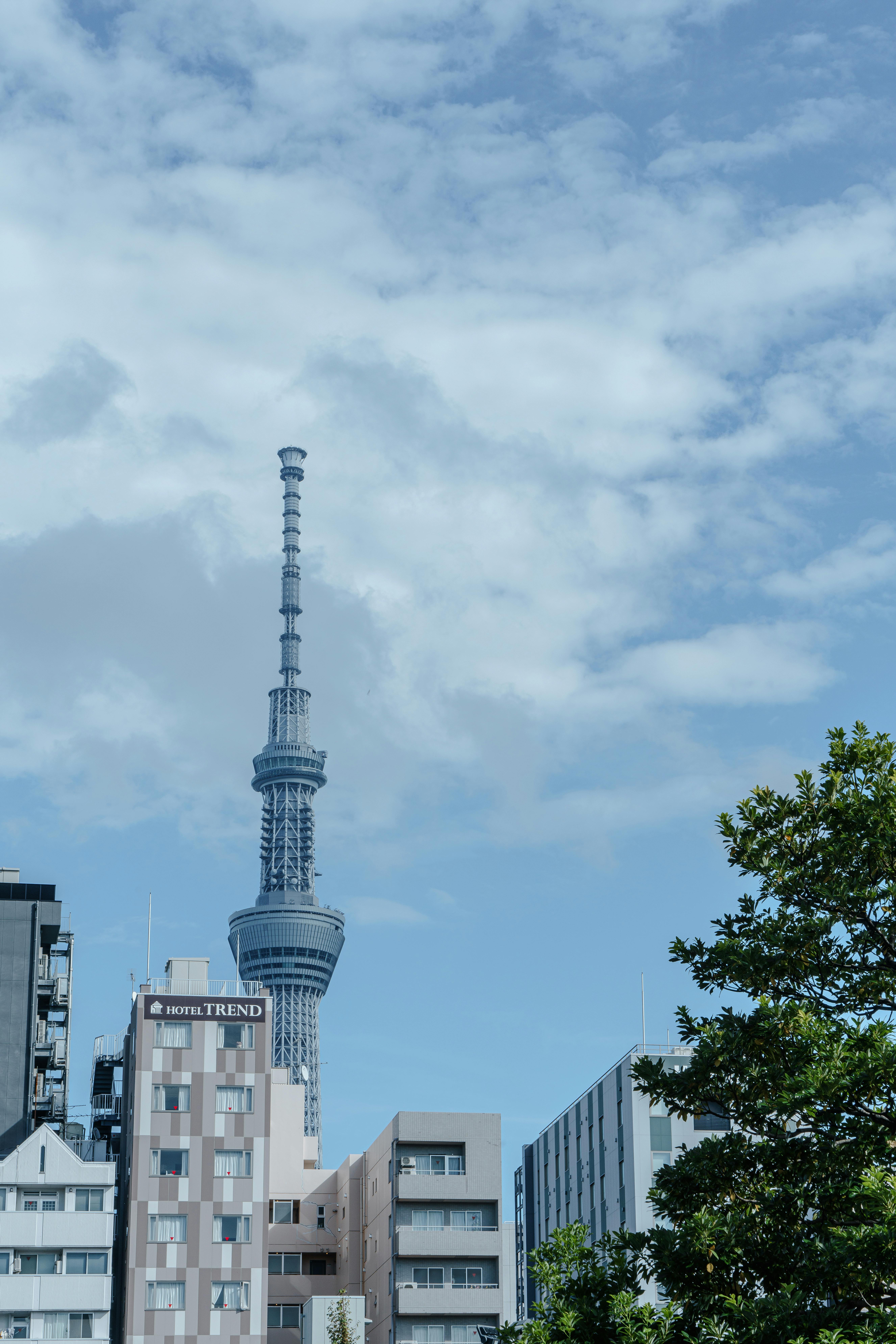
Tokyo stands as a mesmerizing blend of ancient tradition and cutting-edge modernity, making it one of the most captivating destinations for urban explorers. As Japan’s bustling capital, Tokyo offers an unparalleled mix of towering skyscrapers, historic shrines, bustling markets, and tranquil parks—all within a compact, walkable cityscape. Its dynamic energy and innovative spirit draw millions of travelers seeking vibrant city breaks filled with unique experiences.
This guide will walk you through how to uncover the best travel deals, ensuring your trip is both memorable and budget-friendly. You can expect insights into affordable accommodations, insider tips on navigating the city efficiently, and suggestions for discovering hidden gems that truly embody Tokyo’s diverse character. Whether you’re a culture seeker, foodie, or adventure lover, Tokyo promises a city adventure that’s both exciting and enriching. Prepare to unlock the secrets of Japan’s capital and turn your urban getaway into an unforgettable journey.
Upgrade your trip with Amazon Music Unlimited – try free for 30 days!
Tokyo Tower
Standing as an iconic symbol of Tokyo’s skyline, Tokyo Tower offers visitors a breathtaking view of the sprawling metropolis below. Located in the Minato ward, this communications and observation tower was inspired by Paris’s Eiffel Tower and completed in 1958. Its bright orange and white lattice structure reaches a height of 333 meters, making it one of the tallest self-supporting steel towers in the world. The tower’s primary purpose is broadcasting, but it has become a must-visit attraction for travelers seeking panoramic city views and a glimpse into Tokyo’s vibrant urban life.
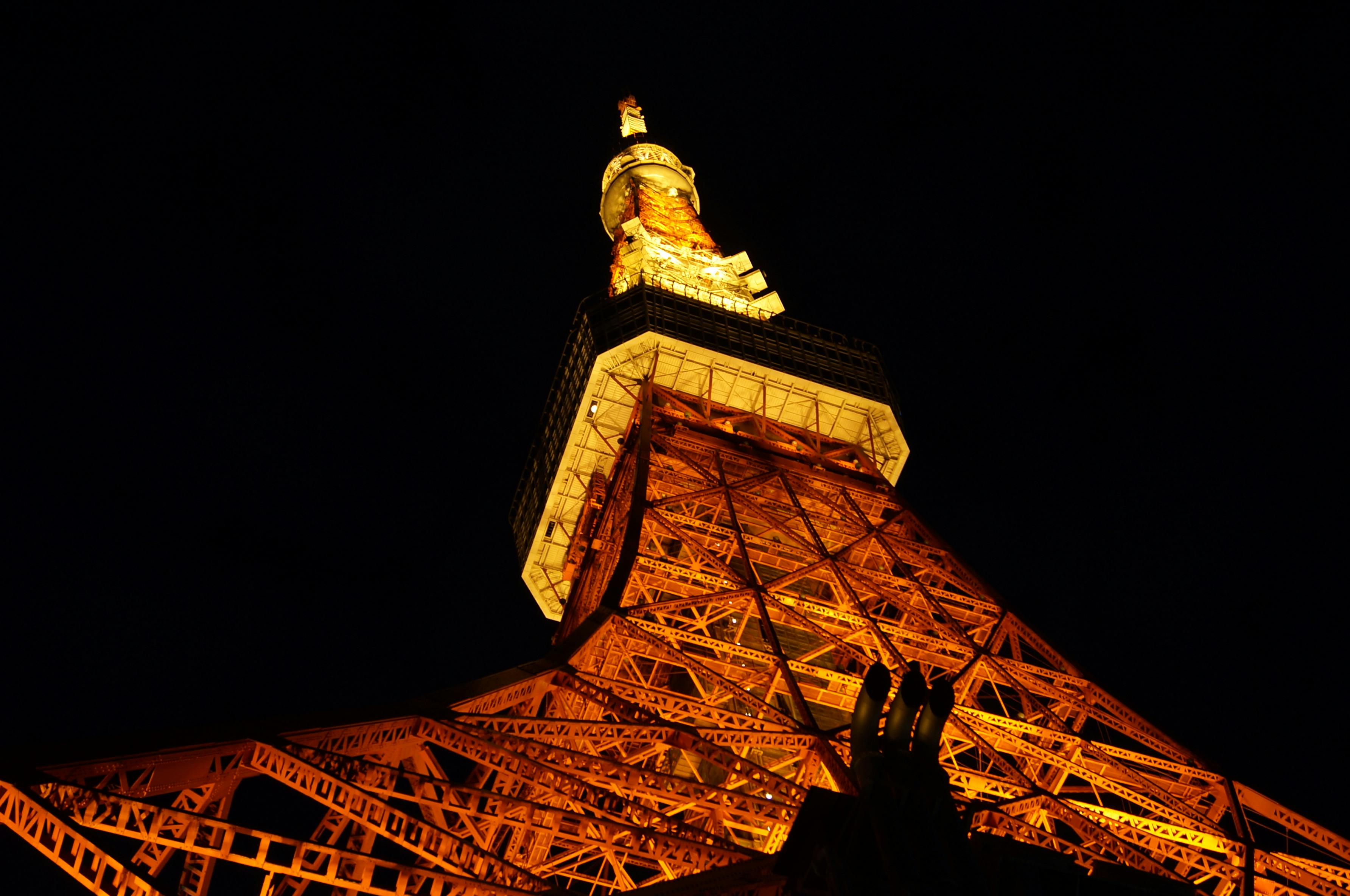
Visitors can ascend to two observation decks for spectacular vistas. The Main Deck at 150 meters offers a 360-degree view of Tokyo’s sprawling cityscape, including landmarks such as Mount Fuji on clear days. For an even higher perspective, the Special Observatory at 250 meters provides a more exclusive experience, with glass floors and a closer look at the tower’s intricate lattice structure. Besides the views, Tokyo Tower features a variety of attractions, including a small aquarium, a wax museum, and numerous souvenir shops and cafes.
Practical information is straightforward for travelers. The tower is easily accessible via the Kamiyacho or Onarimon subway stations, both within walking distance. Opening hours typically run from 9 am to 11 pm, with last admission at 10:30 pm. Ticket prices vary depending on the observation deck, with discounts available for children and groups. Visiting Tokyo Tower is especially recommended during sunset or at night when the tower is illuminated, creating a stunning silhouette against the city’s skyline. Whether you are a photography enthusiast or simply wish to soak in Tokyo’s urban sprawl, Tokyo Tower offers an unforgettable experience that captures the city’s blend of tradition and modernity.
Senso-ji Temple
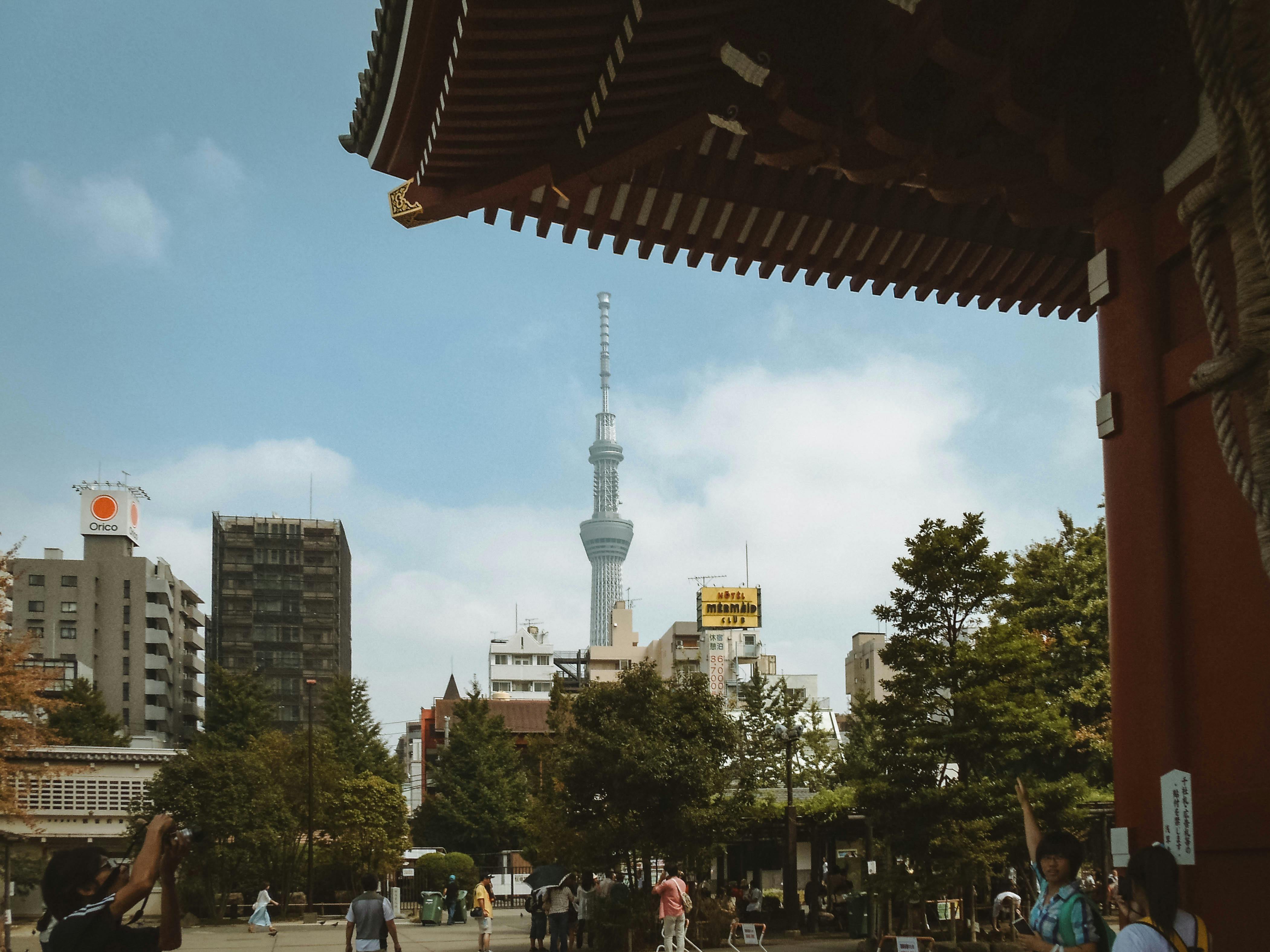
Situated in the historic Asakusa district, Senso-ji Temple stands as Tokyo’s oldest and most revered Buddhist temple. Its origins date back to the year 628 AD, making it a symbol of resilience and spiritual heritage. The temple is dedicated to Kannon, the goddess of mercy, and attracts millions of visitors annually who come to pray, explore, and experience the vibrant atmosphere of old Tokyo. The approach to the temple, called Nakamise Street, is lined with charming shops selling traditional snacks, souvenirs, and crafts, creating a lively ambiance that immerses visitors in Japanese culture.
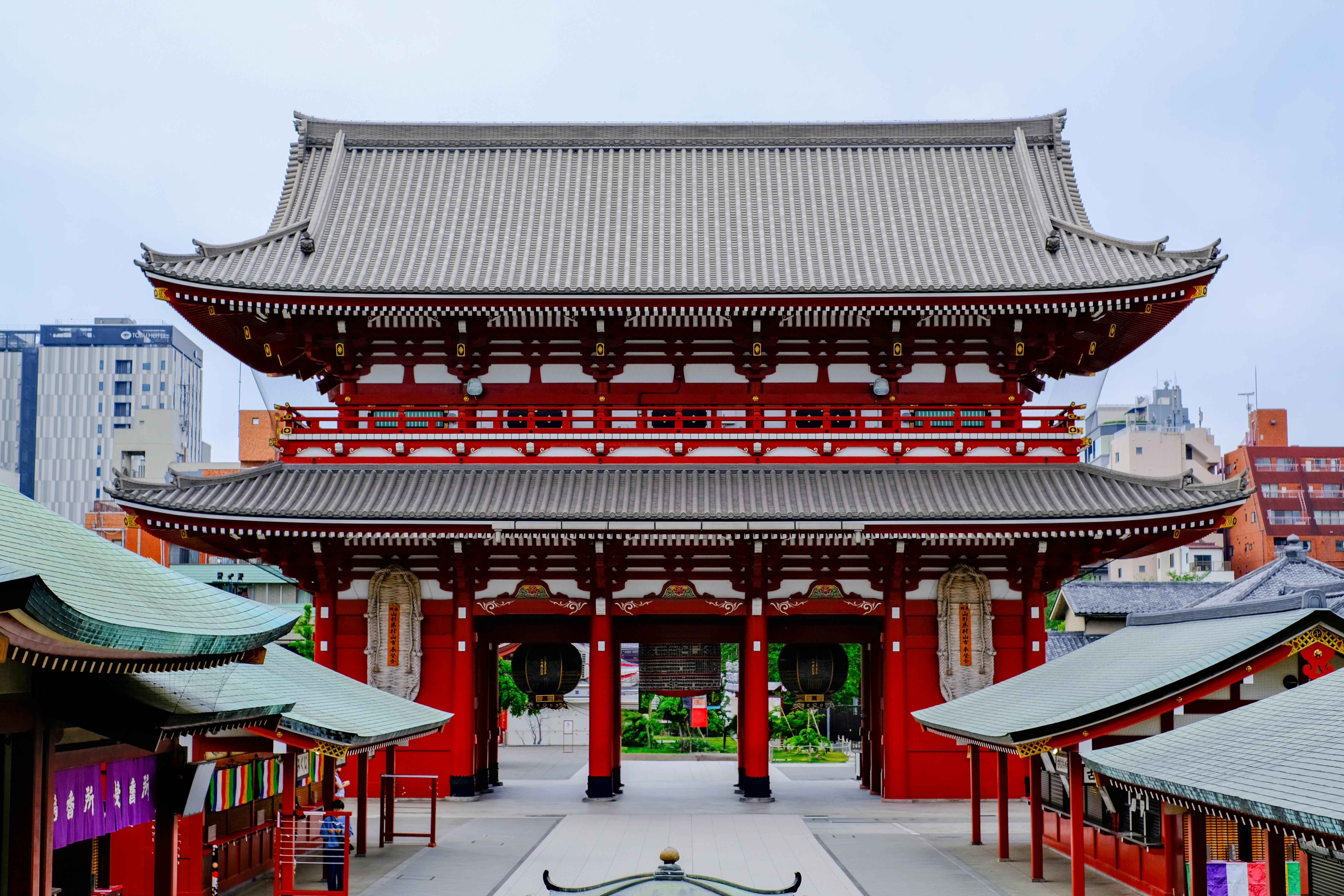
Upon arriving, visitors are greeted by the iconic Kaminarimon Gate, with its massive red lantern and imposing statues of Fujin and Raijin, the gods of wind and thunder. Passing through this gate, Nakamise Street unfolds with a colorful array of stalls offering everything from freshly made ningyo yaki (sweet cakes) to traditional umbrellas. At the end of the street lies the main hall of Senso-ji, a stunning example of traditional Japanese architecture with intricate wooden carvings and vibrant colors. Inside, visitors can participate in prayer rituals or simply admire the serene atmosphere.
The temple grounds also feature a five-story pagoda, a beautiful garden, and a purification fountain where visitors cleanse their hands and mouth before entering. Senso-ji is particularly enchanting during festivals such as Sanja Matsuri in spring or the New Year, when the area comes alive with processions, performances, and thousands of worshippers. For practical tips, arrive early to avoid crowds or visit in the evening when the temple is beautifully illuminated. Accessibility is good, with nearby subway stations and easy walking routes. A visit to Senso-ji offers a profound connection to Tokyo’s spiritual roots and a chance to experience traditional Japan amidst the city’s modern energy.
Meiji Shrine
Located in the heart of Tokyo’s bustling Shibuya district, Meiji Shrine offers a tranquil escape into nature and spirituality. Established in 1920 to honor Emperor Meiji and Empress Shōken, this Shinto shrine is set within a sprawling forest that provides a peaceful contrast to the surrounding urban landscape. The approach to the shrine is marked by a wide, tree-lined walkway, creating a sense of anticipation and reverence as visitors leave the city behind and enter a sacred space dedicated to Japan’s imperial history and Shinto traditions.
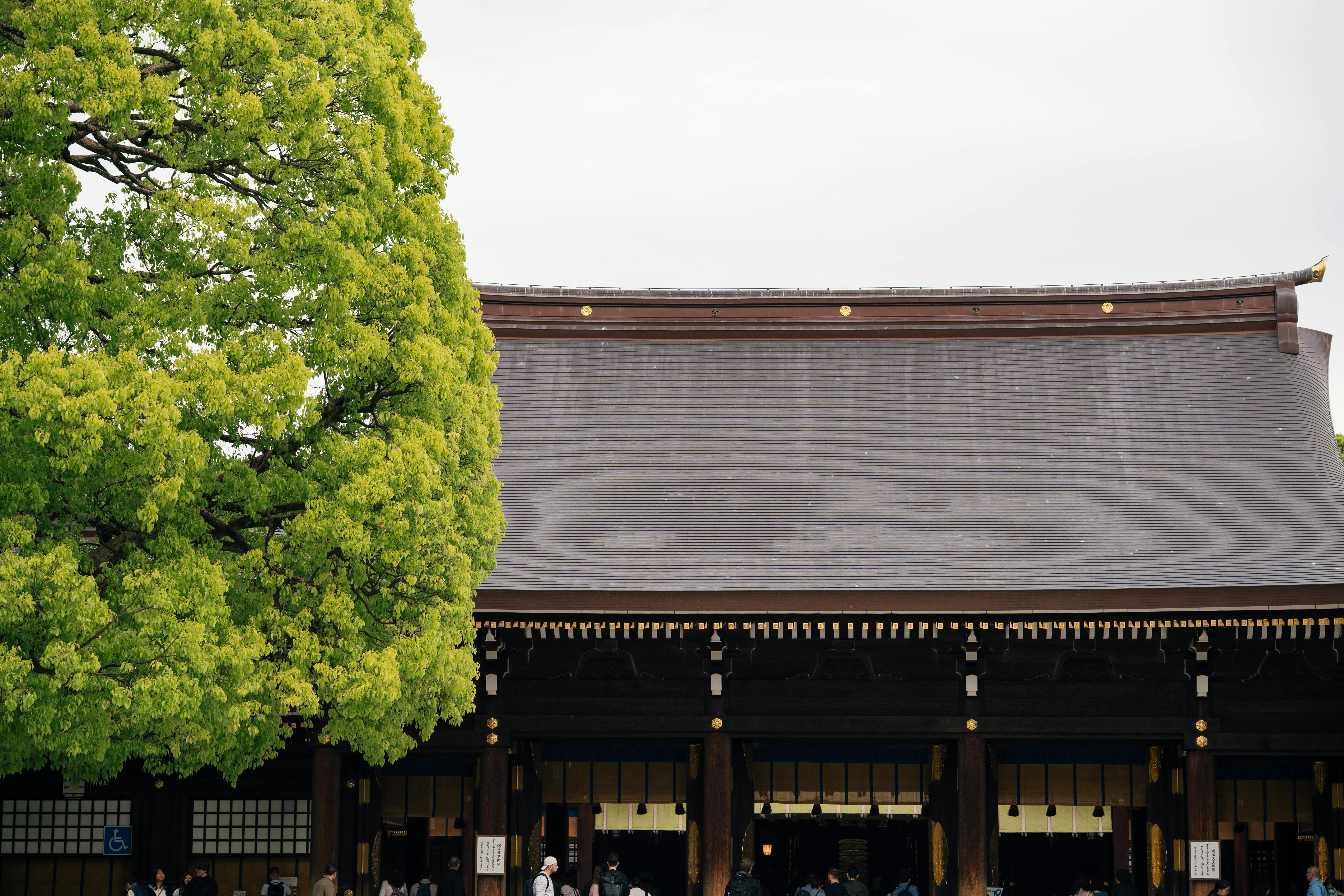
The main shrine building features traditional wooden architecture, with a large torii gate at the entrance symbolizing the transition from the mundane to the sacred. Visitors can participate in typical Shinto rituals, such as offering coins at the offering hall, ringing the bell, and making a prayer. The shrine grounds also include beautiful gardens, a treasure museum, and several smaller auxiliary shrines, making it a comprehensive site for cultural exploration.
Meiji Shrine is particularly popular during New Year’s celebrations, when millions come to pray for good fortune. It’s also a favorite spot for traditional weddings, cultural events, and seasonal festivals. The peaceful ambiance, combined with the natural surroundings, makes it an ideal place for reflection and relaxation amidst Tokyo’s urban hustle. Practical access is convenient via the Harajuku or Yoyogi-Kōen stations, and the shrine is open year-round from early morning until sunset. Visiting Meiji Shrine offers a meaningful experience that connects visitors with Japan’s imperial legacy and spiritual heritage, providing a serene counterpoint to the city’s vibrant energy and a perfect stop for those seeking urban adventure with a touch of tradition.
Shibuya Crossing
Shibuya Crossing is arguably the most iconic pedestrian scramble in the world, located in the heart of Tokyo’s bustling Shibuya district. This vibrant intersection is famous for its mesmerizing sea of humanity, where hundreds of people cross from all directions simultaneously, creating a dynamic and almost cinematic scene. It epitomizes Tokyo’s energetic urban spirit and is a must-visit for anyone seeking an authentic city experience. Situated just outside the Shibuya Station, the crossing is easily accessible and perfectly positioned amidst a maze of shops, cafes, and entertainment venues. Visitors often gather at the nearby Starbucks or the designated observation decks to witness the spectacle from above, capturing stunning photos and soaking in the vibrant atmosphere. The crossing operates around the clock, but it truly comes alive during peak hours in the evenings, when neon lights, giant billboards, and the hum of city life create an electrifying ambiance.
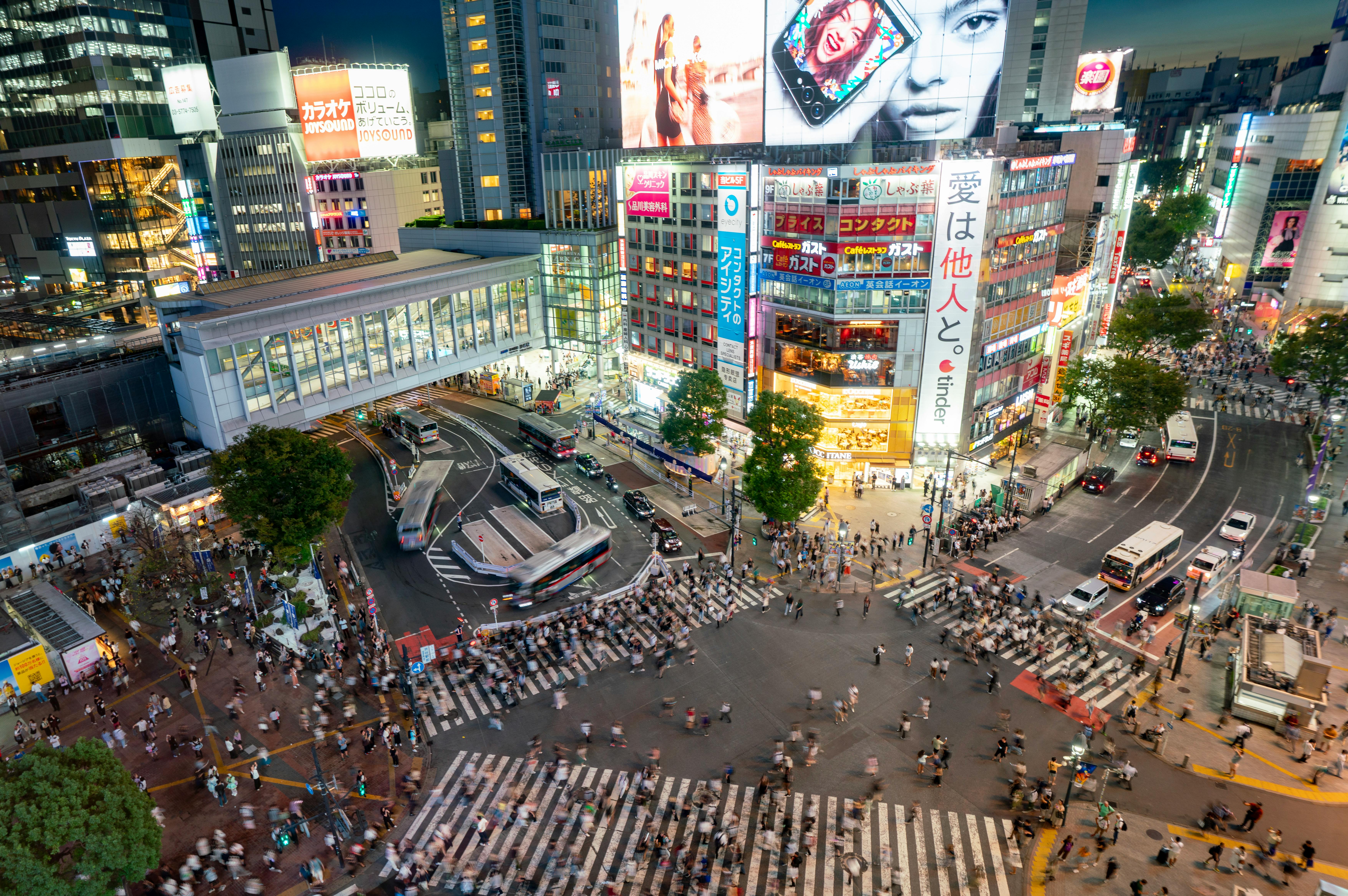
What makes Shibuya Crossing an extraordinary experience is not just the scale but the sense of organized chaos it embodies. As the traffic lights turn red for vehicles, pedestrians flood the intersection from all directions, transforming the space into a pulsating mosaic of humanity. This phenomenon symbolizes Tokyo’s seamless blend of order and energy, making it a fascinating sight for travelers. Visitors can enjoy the spectacle from various vantage points, including the famous Starbucks located on the second floor of the Tsutaya building, which offers panoramic views of the crossing. For those wanting a more immersive experience, wandering through the surrounding streets reveals a labyrinth of shops selling fashion, tech gadgets, and souvenirs, along with countless eateries serving everything from traditional ramen to modern street food. Practical tips include arriving early if you want to avoid larger crowds or visiting during the evening hours when the neon glow enhances the visual impact. Whether you’re a photography enthusiast or simply eager to witness Tokyo’s urban heartbeat, Shibuya Crossing promises an unforgettable moment that captures the essence of city life in Tokyo.
Imperial Palace
The Imperial Palace stands as the historic and cultural heart of Tokyo, offering visitors a rare glimpse into Japan’s imperial heritage. Located in the Chiyoda ward, the palace is situated on the former site of Edo Castle, the seat of power during the Edo period. Surrounded by meticulously maintained gardens, moats, and stone walls, the Imperial Palace exudes a sense of regal tranquility amid Tokyo’s bustling urban landscape. While the inner grounds are generally closed to the public, the Imperial Palace East Gardens are open year-round and provide a serene escape for visitors. These gardens feature beautifully landscaped lawns, traditional Japanese flora, and historical ruins, including remnants of the original Edo Castle structures. The palace itself is an architectural marvel, blending traditional Japanese design with modern influences, and it serves as the residence of the Emperor of Japan. Guided tours are available, offering insights into the history, architecture, and significance of the imperial family’s residence. The palace is particularly enchanting during cherry blossom season, when the surrounding gardens burst into color, attracting numerous visitors and photographers alike.
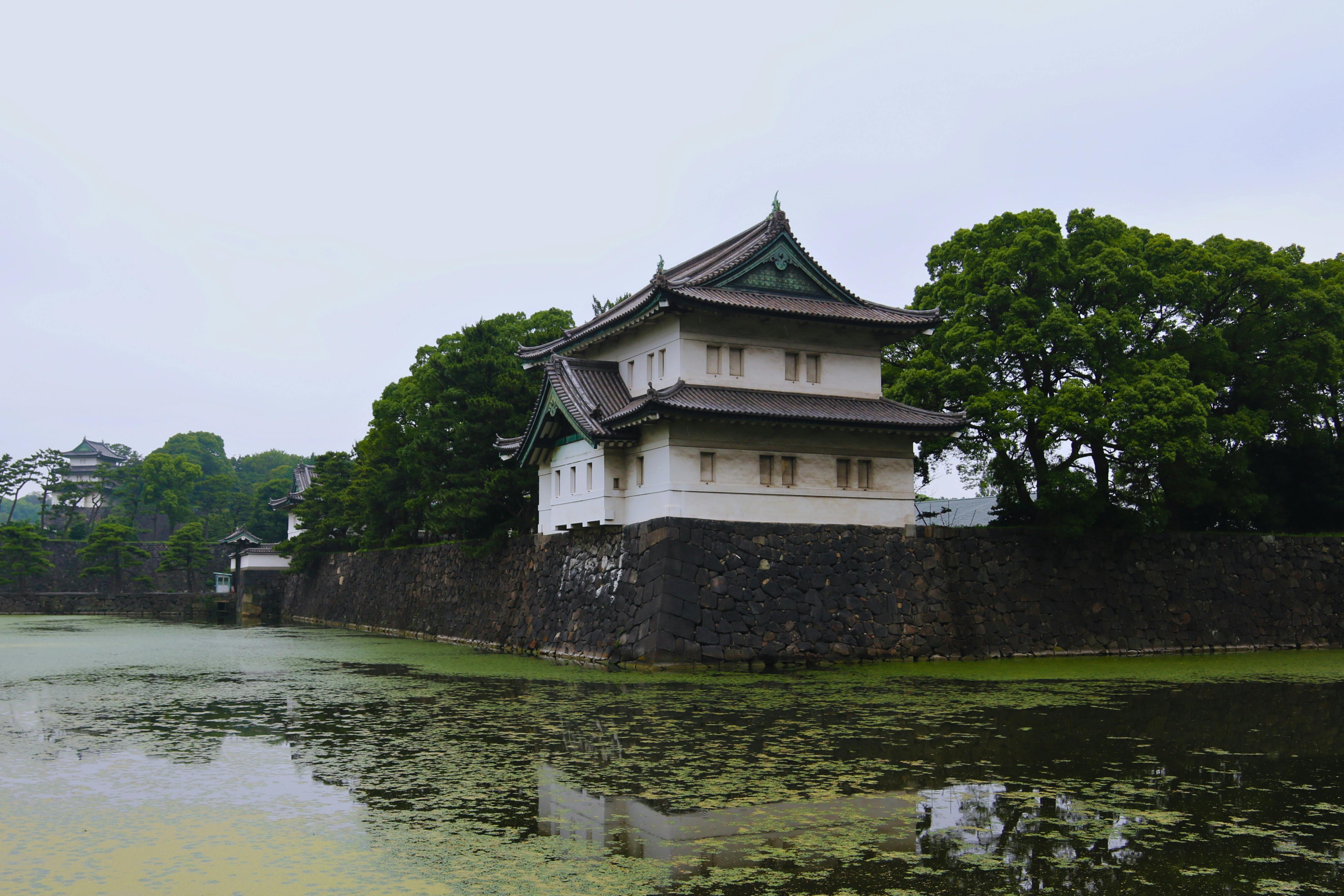
For travelers interested in Japan’s history and cultural heritage, the Imperial Palace offers a meaningful experience. The surrounding Marunouchi district is also worth exploring, with its upscale shops, cafes, and historic sites. Practical information includes checking the official schedule for guided tours, which are typically available on select days, and noting that the inner grounds are not open to the public except during special occasions or guided visits. Visitors should arrive early or plan their visit during weekdays to avoid crowds. The palace’s strategic location near Tokyo Station makes it easily accessible via public transportation, and the nearby gardens provide a peaceful retreat from the city’s frenetic pace. Whether you’re a history buff, a photography enthusiast, or simply seeking a moment of calm amidst Tokyo’s urban sprawl, the Imperial Palace offers a captivating glimpse into Japan’s imperial legacy and its harmonious blend with modern Tokyo life. Its timeless beauty makes it a vital stop on any city break or urban adventure in Tokyo.
Best Time to Visit Tokyo
Understanding the Seasons and Climate
Tokyo experiences four distinct seasons, each offering unique urban adventures for city break travelers. Spring (March to May) is renowned for its cherry blossoms, transforming the city into a floral wonderland. Summers (June to August) can be hot and humid, with temperatures often exceeding 30°C, but this season also offers vibrant festivals and lively street events. Autumn (September to November) presents comfortable temperatures and stunning fall foliage, perfect for exploring city parks and neighborhoods. Winter (December to February) tends to be cold but generally dry, providing a quieter atmosphere for sightseeing and shopping.
Peak Tourist Seasons and Crowds
The most popular times to visit Tokyo are during spring and autumn. The cherry blossom season in late March to early April draws large crowds, especially in parks like Ueno and Shinjuku Gyoen. Similarly, autumn foliage in November attracts many visitors. During these peak periods, expect crowded attractions, higher prices for accommodation, and longer wait times. If you prefer a more relaxed experience, consider traveling during the shoulder seasons of late winter or early summer.
Benefits of Visiting During Off-Peak Periods
Traveling outside the peak seasons offers several advantages. Off-peak months, such as January and February, tend to have fewer tourists, making it easier to explore popular districts like Shibuya and Ginza without large crowds. Hotel rates are generally lower, and attractions are less crowded, allowing for a more immersive urban adventure. Additionally, visiting during these times can provide a more authentic experience of daily Tokyo life, away from the tourist rush.
Summary of Pros and Cons
| Season | Pros | Cons |
|---|---|---|
| Spring (March-May) | Beautiful cherry blossoms, mild weather, vibrant city events | Crowds, higher prices, limited accommodation availability |
| Summer (June-August) | Festivals, lively street life, extended daylight hours | Hot and humid, typhoon risk, crowded tourist spots |
| Autumn (September-November) | Comfortable weather, stunning fall foliage, fewer crowds | Unpredictable rain, shorter daylight hours late in the season |
| Winter (December-February) | Quiet streets, lower prices, festive illuminations | Cold weather, shorter days, fewer outdoor activities |
Ultimately, the best time to visit Tokyo depends on your preferences for weather, crowd levels, and urban experiences. Whether you seek the lively energy of spring festivals or the tranquility of winter, Tokyo offers something special year-round for city explorers.
Getting to Tokyo: Your Gateway to an Urban Adventure
Tokyo, Japan’s bustling capital, is a vibrant metropolis teeming with culture, innovation, and endless exploration opportunities. Whether you’re arriving for a city break or a longer urban adventure, understanding how to reach Tokyo efficiently is essential for making the most of your trip. From international flights to local transportation options, this guide will help you navigate your journey seamlessly.
Traveling to Tokyo by Air
The most common way to reach Tokyo is by air, especially for international travelers. Tokyo is served by two major airports:
- Narita International Airport (NRT): Located approximately 60 kilometers east of central Tokyo, Narita handles most international flights. It offers excellent connections to major global hubs.
- Haneda Airport (HND): Closer to the city center, Haneda is increasingly popular for both domestic and international flights. It provides quick access to Tokyo via train or bus.
When booking your flight, consider airlines with direct routes to Tokyo for convenience. Additionally, look for early morning or late-night flights to avoid peak travel times, which can be crowded and more expensive.
Other Transportation Options
Train Travel
Japan’s efficient rail network makes train travel a fantastic option once you arrive. The Japan Rail (JR) system connects Tokyo with major cities and regions. The iconic Shinkansen, or bullet train, offers high-speed journeys to destinations like Osaka, Kyoto, and beyond. Purchasing a JR Pass can be cost-effective for multiple trips across Japan, providing unlimited travel on JR lines for a set period.
Bus Services
Long-distance buses are available from various cities and airports, offering budget-friendly options for travelers. They are particularly useful if you’re traveling from nearby regions or seeking an economical alternative to trains and flights.
Car Rentals
While public transportation is highly efficient, renting a car might be advantageous if you plan to explore areas outside Tokyo or prefer the flexibility of driving. Keep in mind, however, that Tokyo’s traffic can be congested, and parking is often limited and expensive.
Search for Car Hire
Travel Tips and Important Information
- Visa requirements: Check if your country requires a visa to enter Japan. Many travelers can enter visa-free for short stays.
- Language: While English is spoken in some tourist areas, learning basic Japanese phrases can enhance your experience.
- Transport cards: Purchase a Suica or Pasmo card for convenient access to trains, buses, and even some shops.
- Travel time: Allow extra time for airport transfers, especially during peak hours or adverse weather conditions.
By understanding your transportation options and planning accordingly, you’ll set the stage for an exciting urban adventure in Tokyo. From efficient flights to seamless local transit, your journey to this dynamic city will be smooth and enjoyable.
Best Places to Stay in Tokyo for a City Break & Urban Adventure
Tokyo offers a diverse range of accommodations suited to every budget, making it an ideal destination for city breaks and urban explorers. Whether you seek luxury comfort, mid-range affordability, or budget-friendly options, the city’s neighborhoods provide unique experiences and convenient access to Tokyo’s vibrant attractions. Here, we highlight the best places to stay based on your budget, ensuring your stay complements your adventurous spirit.
Luxury Options for the Discerning Traveler
If indulgence and top-tier amenities are your priorities, Tokyo’s luxury hotels promise an unforgettable experience. The Peninsula Tokyo stands out with its elegant design, impeccable service, and prime location near the Imperial Palace. Guests can enjoy spacious rooms with panoramic city views, a world-class spa, and exceptional dining options. Its central position makes it perfect for urban explorers eager to immerse themselves in Tokyo’s sophisticated side.
Another excellent choice is Mandarin Oriental Tokyo. Located in Nihonbashi, this hotel combines contemporary luxury with traditional Japanese aesthetics. Visitors appreciate the rooftop bar offering stunning city vistas and the wellness facilities designed for relaxation after a day of urban adventures. Staying here provides a perfect blend of comfort and cultural immersion.
Mid-Range Hotels for Comfortable Urban Living
Mid-range accommodations strike a balance between comfort and affordability, making them perfect for travelers who want convenience without overspending. Shinjuku Granbell Hotel offers modern, stylish rooms in the bustling Shinjuku district. Its location provides easy access to shopping, nightlife, and transport links, ideal for exploring Tokyo’s diverse neighborhoods.
Similarly, Hotel Niwa Tokyo provides a tranquil retreat in the heart of the city. Its Japanese-inspired decor, lush garden, and comfortable rooms make it a favorite among urban explorers seeking a peaceful oasis amid Tokyo’s energetic pace. Both options ensure you’re close to key sights and vibrant street life.
Budget-Friendly Accommodations for the Adventurous Backpacker
For travelers on a tight budget, Tokyo offers numerous hostels and guesthouses that deliver value without sacrificing comfort. Khaosan Tokyo Original in Asakusa is renowned for its friendly atmosphere and clean dormitories. Its proximity to historic temples and traditional markets makes it an excellent base for exploring Tokyo’s cultural side.
Another popular choice is Tokyo Central Youth Hostel, located in the lively Ueno area. It provides affordable private rooms and shared facilities, perfect for social travelers eager to meet fellow explorers. These budget options enable you to maximize your urban adventures without stretching your finances.
Summary Table of Accommodation Options
| Budget Level | Recommended Hotels | Highlights |
|---|---|---|
| Luxury | The Peninsula Tokyo, Mandarin Oriental Tokyo | Exceptional service, panoramic views, cultural elegance |
| Mid-Range | Shinjuku Granbell Hotel, Hotel Niwa Tokyo | Stylish comfort, central locations, peaceful retreats |
| Budget | Khaosan Tokyo Original, Tokyo Central Youth Hostel | Affordable, friendly atmosphere, cultural proximity |
Choosing the right accommodation in Tokyo enhances your city break by placing you at the heart of urban adventures. Whether you desire luxury, comfort, or budget-friendly options, Tokyo’s diverse neighborhoods promise an authentic and exciting experience tailored to your travel style.
Essential Travel Products for Visiting Tokyo
When exploring Tokyo, having the right travel gear can significantly enhance your experience. Two products stand out as particularly useful for navigating the city efficiently and comfortably. First is the Rokid Smart Glasses. These innovative glasses combine augmented reality with real-time translation, making it easier to communicate and understand signs, menus, and conversations in a city where language barriers can sometimes be challenging. Equipped with a sleek, lightweight design, they fit comfortably for extended wear, and their intuitive interface allows quick access to translations and navigation aids. You can purchase the Rokid Smart Glasses from major electronics retailers or online stores such as Amazon, where user reviews highlight their practicality for travelers seeking seamless communication in Tokyo.
Secondly, consider investing in a Portable Wi-Fi Router. Staying connected is vital when exploring Tokyo’s sprawling neighborhoods. A portable Wi-Fi device provides reliable internet access without the need for expensive international roaming plans. Look for models like the Japan Wireless Pocket Wi-Fi, which offers high-speed connectivity, easy rental options, and coverage across all of Japan, including remote areas of Tokyo. Its compact size makes it easy to carry in your pocket or bag, and many providers offer flexible rental periods to suit your trip’s length. This device ensures you can access maps, translation apps, and stay in touch with friends or family at all times. You can rent these Wi-Fi routers online before your trip or pick them up at major airports like Narita or Haneda.
View hand-picked travel essentials on Amazon
Guidebooks for City Breaks & Urban Adventures in Tokyo
For travelers seeking to maximize their time and discover hidden gems, a well-chosen guidebook can be invaluable. Specifically, for those interested in finding the best travel deals and exploring Tokyo’s vibrant urban scene, the following books available on Kindle Unlimited and Audible provide comprehensive insights.
1. “Tokyo on a Budget: The Ultimate Guide to Affordable Adventures”
This guidebook is perfect for travelers who want to experience Tokyo without overspending. It offers detailed tips on budget-friendly accommodations, inexpensive dining options, and free or low-cost attractions. The book also highlights lesser-known neighborhoods, local markets, and public transport hacks that help travelers save money while immersing themselves in Tokyo’s dynamic culture. Available on Kindle Unlimited, it is an excellent resource for budget-conscious explorers seeking authentic urban adventures.
2. “The Urban Explorer’s Guide to Tokyo”
Designed for those eager to delve into Tokyo’s modern and historic districts, this book provides curated itineraries and insider tips. It covers must-see sights like Shibuya Crossing and Asakusa, as well as hidden spots such as tucked-away cafes and street art alleys. The guide emphasizes efficient route planning and includes recommendations for unique experiences like themed cafes and local festivals. Accessible on Audible, it’s ideal for travelers who prefer listening while navigating the city streets.
3. “Finding the Best Travel Deals in Tokyo: A City Breaks & Urban Adventures Manual”
This comprehensive guide zeroes in on securing the best deals for accommodations, transportation, and activities in Tokyo. It offers strategies for using discount passes, seasonal promotions, and online deal sites. The book also provides insights into how to combine sightseeing with shopping and dining discounts, ensuring travelers get the most value for their money. Available on Kindle Unlimited and Audible, it’s a practical companion for savvy travelers eager to explore Tokyo’s urban landscape without breaking the bank.
By combining the right travel products with insightful guidebooks, visitors can unlock the best of Tokyo’s cityscape, discovering its hidden corners and vibrant neighborhoods while staying connected and budget-savvy. Whether you’re a first-time visitor or a seasoned urban explorer, these resources will help you craft a memorable and seamless Tokyo adventure.
Adventure awaits – prepare with free Kindle Unlimited travel books!
Frequently Asked Questions About City Breaks & Urban Adventures in Tokyo
1. What is the best time to visit Tokyo for city breaks?
Tokyo offers a vibrant experience year-round, but the ideal time for a city break depends on your preferences. Spring (March to May) is famous for cherry blossoms, creating a picturesque backdrop for exploring parks and neighborhoods. Autumn (September to November) features stunning fall foliage, perfect for outdoor adventures. Summers (June to August) can be hot and humid, but festivals and fireworks make it lively. Winters (December to February) are generally cold but less crowded, ideal for museum visits and enjoying hot springs. Planning your trip around these seasons allows you to enjoy Tokyo’s unique atmosphere and avoid peak tourist times, often securing better deals on accommodations and flights.
2. How can I find the best travel deals for Tokyo?
Finding the best deals involves a combination of research and timing. Start by signing up for alerts from flight comparison sites like Skyscanner or Google Flights. Booking your flights and accommodations well in advance often results in significant savings. Consider staying in centrally located neighborhoods like Shinjuku or Shibuya, which offer easy access to public transport and attractions, often at more affordable rates. Use package deals that combine flights and hotels for extra discounts. Additionally, explore local travel passes such as the Suica or Pasmo cards, which offer discounted fares on trains and buses. Lastly, look for special promotions during off-peak seasons or festivals, when many hotels and tour operators offer reduced prices.
3. What are the must-visit neighborhoods for a city adventure in Tokyo?
Tokyo’s neighborhoods each offer a distinct experience. Shinjuku is a bustling hub with skyscrapers, shopping, and nightlife. Shibuya is famous for its busy crossing and youth culture. Asakusa offers a glimpse into traditional Japan, with Senso-ji Temple and historic streets. Harajuku is the epicenter of fashion and quirky street culture. Ginza is ideal for luxury shopping and fine dining. Exploring these neighborhoods provides a comprehensive urban adventure, showcasing Tokyo’s blend of tradition and modernity.
4. Are there affordable ways to explore Tokyo’s attractions?
Absolutely. Public transportation is efficient and cost-effective, with extensive train and bus networks. Purchasing a prepaid travel card like Suica or Pasmo simplifies travel and offers discounts. Many attractions, such as temples and parks, are free or have minimal entry fees. Consider getting a Tokyo City Pass or similar sightseeing pass, which grants access to multiple attractions at a fixed price. Walking is also a great way to discover hidden gems, especially in areas like Asakusa or the Imperial Palace grounds. Additionally, look for combo tickets or guided city tours that bundle multiple experiences, often at a lower cost than individual entries.
5. What local experiences should I look for during my city adventure?
To truly immerse yourself, seek out authentic local experiences. Try traditional Japanese cuisine at izakayas, street food stalls, or themed cafes. Participate in cultural activities such as tea ceremonies, calligraphy classes, or sumo watching. Visit local markets like Tsukiji Fish Market or Ameya-Yokocho for fresh produce and souvenirs. Explore vibrant festivals if visiting during the right season. Lastly, engage with locals by learning basic Japanese phrases or joining guided tours, which often include hidden gems and stories behind the city’s iconic sights. These experiences elevate your urban adventure beyond typical sightseeing.
Image Placeholder
Hotels, flights, car rentals, and even attraction tickets – earn cashback on all your travel bookings when you sign up for a free cashback account!
Conclusion: Embark on Your Unforgettable Tokyo Urban Adventure
Tokyo stands out as a premier destination for city breaks and urban adventures, offering a perfect blend of tradition and modernity. From exploring historic temples to immersing yourself in cutting-edge technology districts, the city provides countless opportunities for discovery. Our guide highlighted essential tips for finding the best travel deals, including leveraging off-peak seasons, utilizing local discount passes, and booking early for flights and accommodations. These strategies not only save you money but also enhance your overall experience by allowing you to explore more of Tokyo’s vibrant neighborhoods and hidden gems.
Moreover, Tokyo’s diverse attractions cater to every traveler’s interest, whether you crave cultural immersion, culinary delights, or high-energy entertainment. Remember, planning ahead and staying flexible can unlock exclusive deals and unique experiences that make your city break truly memorable.
Now is the perfect time to start planning your urban adventure. Dive into the bustling streets, savor authentic cuisine, and embrace the city’s dynamic spirit. Your unforgettable Tokyo journey awaits—so why not take the first step today?