Discover the Magic of Marrakech: A Gateway to Culture, History, and Unforgettable Adventures
Experience the Enchanting Allure of Marrakech: Your Ultimate Guide to Culture, History & Bucket-List Travel Deals
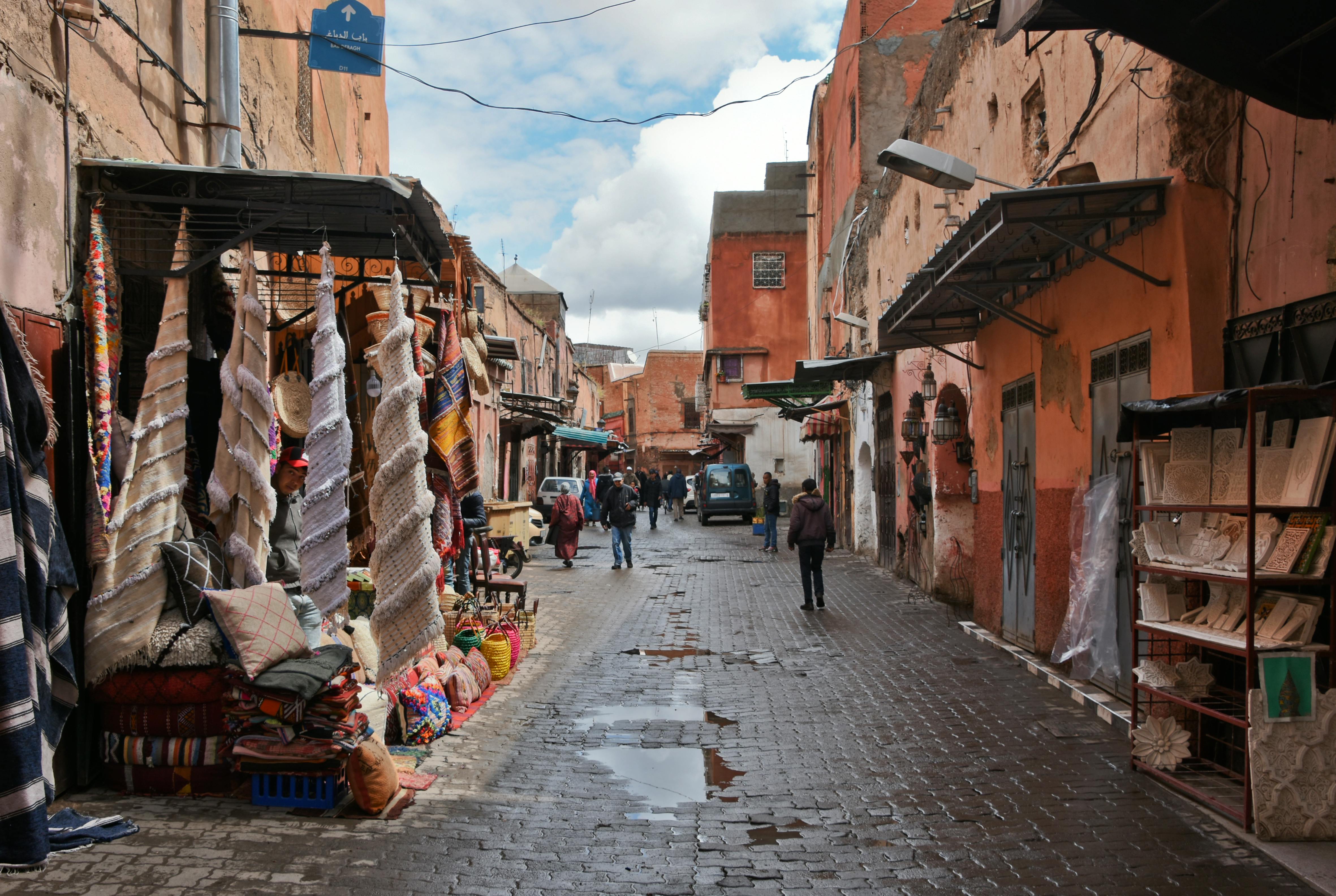
Nestled in the heart of Morocco, Marrakech is a vibrant city where centuries of history blend seamlessly with modern energy. Known for its bustling souks, stunning palaces, and captivating traditions, Marrakech offers a sensory-rich experience that appeals to travelers seeking more than just a typical getaway. This city is a living tapestry of cultural diversity, where ancient medinas coexist with contemporary cafes and boutique hotels. Its unique blend of Arab, Berber, and French influences creates a distinctive atmosphere that beckons explorers from around the world. Whether you’re drawn to its colorful markets, historic landmarks, or the promise of once-in-a-lifetime adventures, Marrakech stands out as an essential destination for those craving authentic cultural immersion and memorable experiences.
In this article, you will find an in-depth guide to uncovering the best travel deals, exploring the city’s rich history, and planning bucket-list trips that will leave a lasting impression. From insider tips on securing affordable accommodations to insights into the city’s most iconic sites, prepare to embark on a journey into one of Africa’s most enchanting destinations.
Tired of ads interrupting your music? Amazon Music Unlimited lets you listen without interruptions, with unlimited skips and offline access. Start your free trial today and enjoy
a seamless music experience on your travels.
Jemaa el-Fnaa
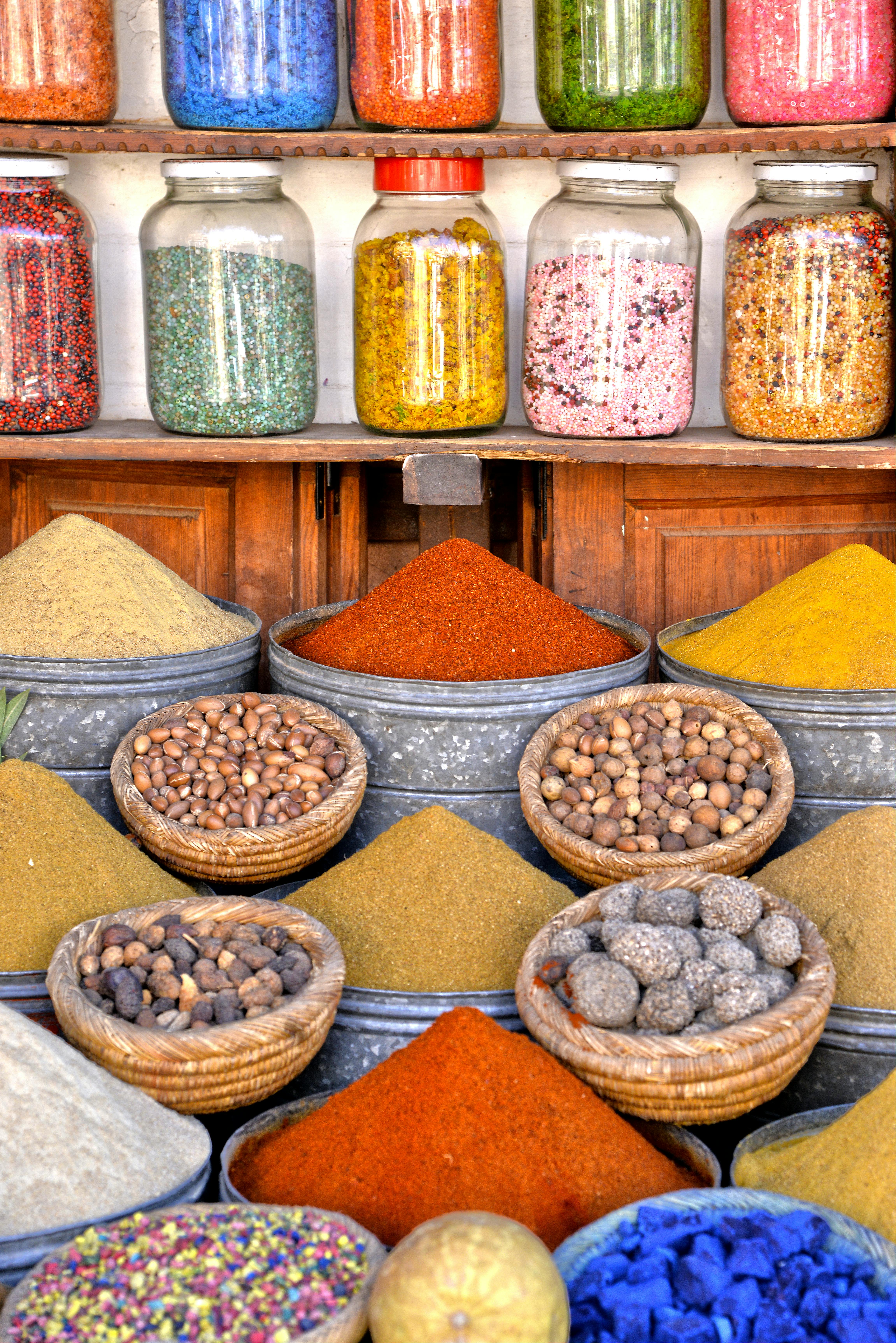
Jemaa el-Fnaa is the beating heart of Marrakech, a vibrant square that embodies the city’s rich tapestry of culture, history, and daily life. Located in the medina’s core, this bustling marketplace has served as Marrakech’s main square for centuries, transforming from a gathering spot for traders and storytellers into a lively hub of entertainment and tradition. Visiting Jemaa el-Fnaa offers an immersive experience into Moroccan culture, where every corner reveals a new sensory adventure. From the aroma of exotic spices to the sounds of street performers, the square pulsates with energy from dawn until late at night.
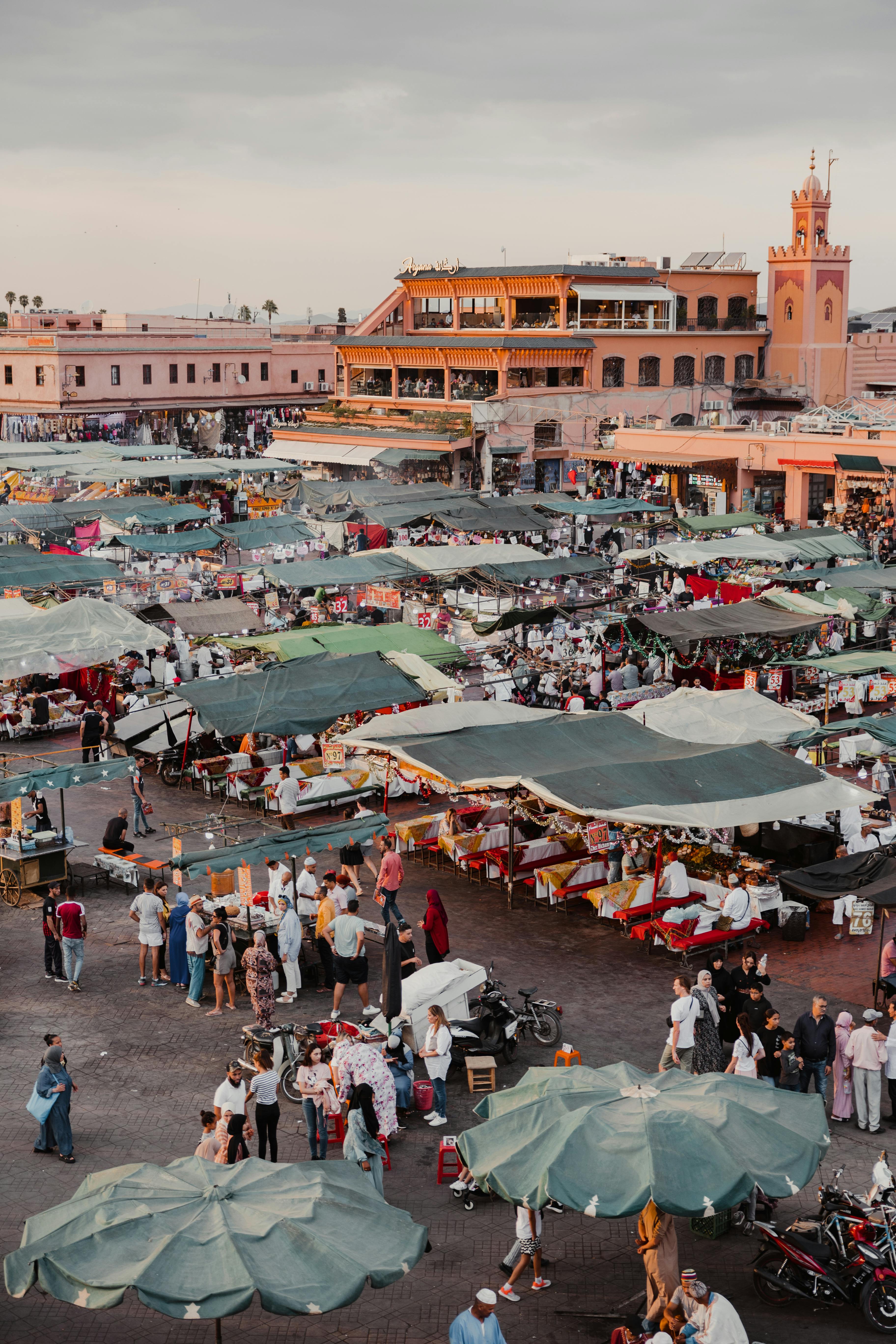
During the day, Jemaa el-Fnaa is a lively marketplace filled with vendors selling everything from traditional medicines and handcrafted jewelry to vibrant textiles and street food. As the sun sets, the square transforms into an open-air theater, with snake charmers, acrobats, storytellers, and musicians captivating audiences with their performances. This dynamic atmosphere makes Jemaa el-Fnaa a must-visit for travelers seeking an authentic taste of Moroccan life. The square’s historical significance is evident in its architecture and the centuries-old traditions still alive today. It’s also a strategic location, surrounded by cafes and riads that offer panoramic views of the hustle below.
Practical tips for visitors include arriving early in the morning to enjoy the market before it gets crowded, or staying until the evening for the full spectacle. Bargaining is common, so be prepared to negotiate prices with vendors. It’s advisable to keep an eye on your belongings, especially during busy times. Visitors should also respect local customs and be mindful of the performers and vendors, many of whom have been part of the square’s fabric for generations. Whether you’re seeking cultural insight, lively entertainment, or simply a place to soak in the Moroccan ambiance, Jemaa el-Fnaa promises an unforgettable experience that captures the soul of Marrakech.
Koutoubia Mosque
The Koutoubia Mosque stands as Marrakech’s most iconic religious monument and a masterpiece of Almohad architecture. Situated just south of Jemaa el-Fnaa, it dominates the city’s skyline with its impressive 77-meter-high minaret, which has served as a navigational landmark for centuries. The mosque’s name derives from the Arabic word for booksellers, reflecting the historical presence of book markets in the area. While non-Muslims are not permitted inside, the mosque’s exterior and surroundings are worth exploring for their architectural beauty and historical significance.
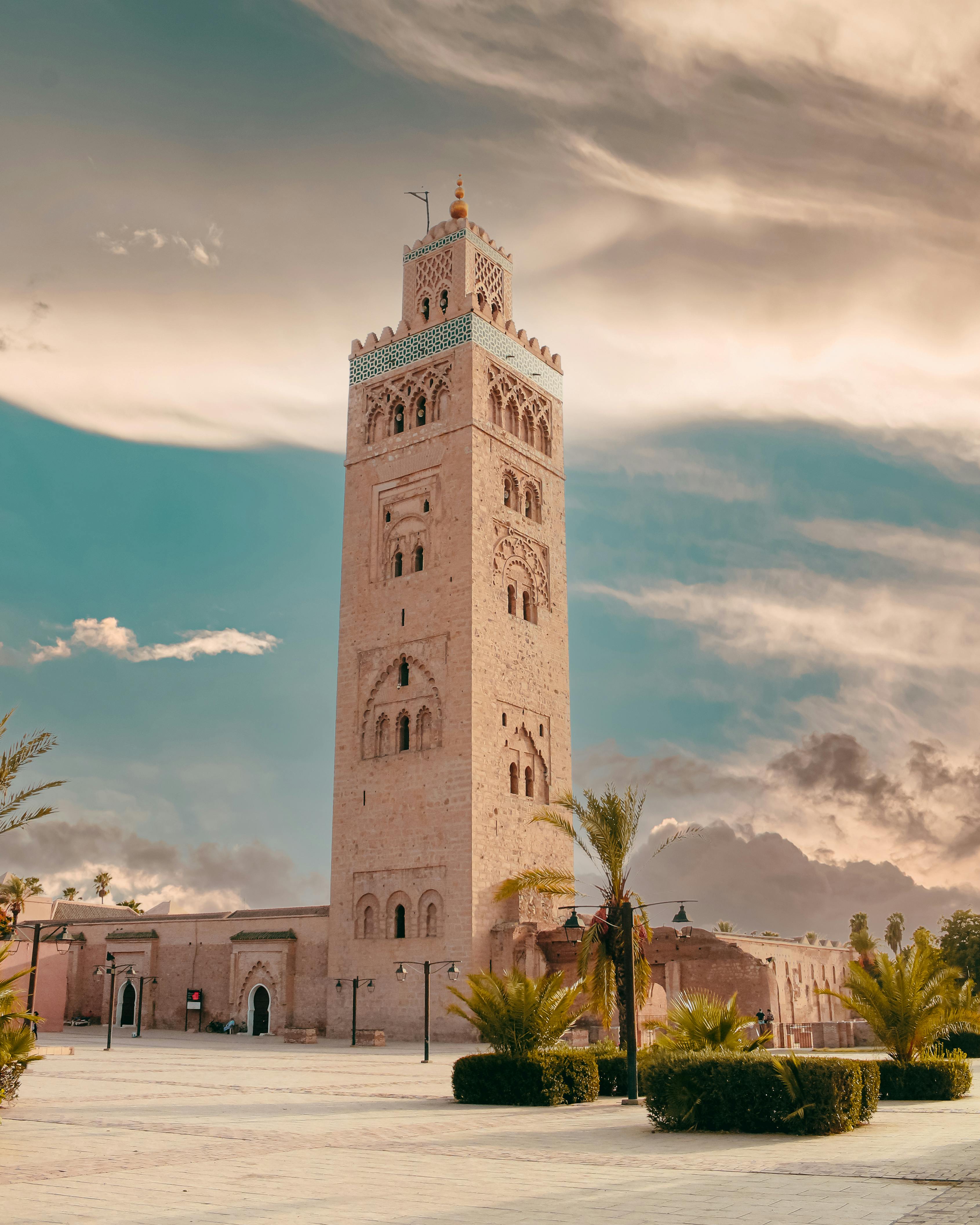
The mosque was completed in the 12th century during the reign of the Almohad dynasty, showcasing their mastery in Islamic architecture. Its symmetrical design features a large prayer hall, intricate stucco work, and elegant arches. The minaret, adorned with decorative tiles and a golden finial, is a fine example of Moroccan craftsmanship and has influenced other notable structures, including the Giralda in Seville. Visitors can admire the mosque’s impressive exterior from the surrounding gardens and open spaces, where locals and tourists alike gather for relaxation and reflection.
For travelers, the best way to appreciate the mosque is from the outside, respecting its religious function. The area around Koutoubia is lively, with nearby cafes and markets offering a glimpse into everyday life in Marrakech. It’s advisable to visit early in the morning or late afternoon when the light accentuates the mosque’s intricate details. Photography is permitted of the exterior, but visitors should be respectful of prayer times and local customs. The Koutoubia Mosque stands as a symbol of Marrakech’s spiritual and architectural heritage, offering a serene yet majestic experience that connects visitors to the city’s centuries-old Islamic tradition.
Saadian Tombs
The Saadian Tombs are a remarkable testament to Morocco’s rich dynastic history, hidden for centuries until rediscovered in 1917. Located near the Kasbah Mosque, these tombs date back to the reign of Sultan Ahmad al-Mansur in the late 16th century. Once a secret burial site for members of the Saadian dynasty, they now serve as a popular destination for history enthusiasts and culture seekers eager to explore Morocco’s imperial past. The site’s intricate decoration and peaceful ambiance make it a must-visit for those interested in the country’s royal legacy and Islamic art.
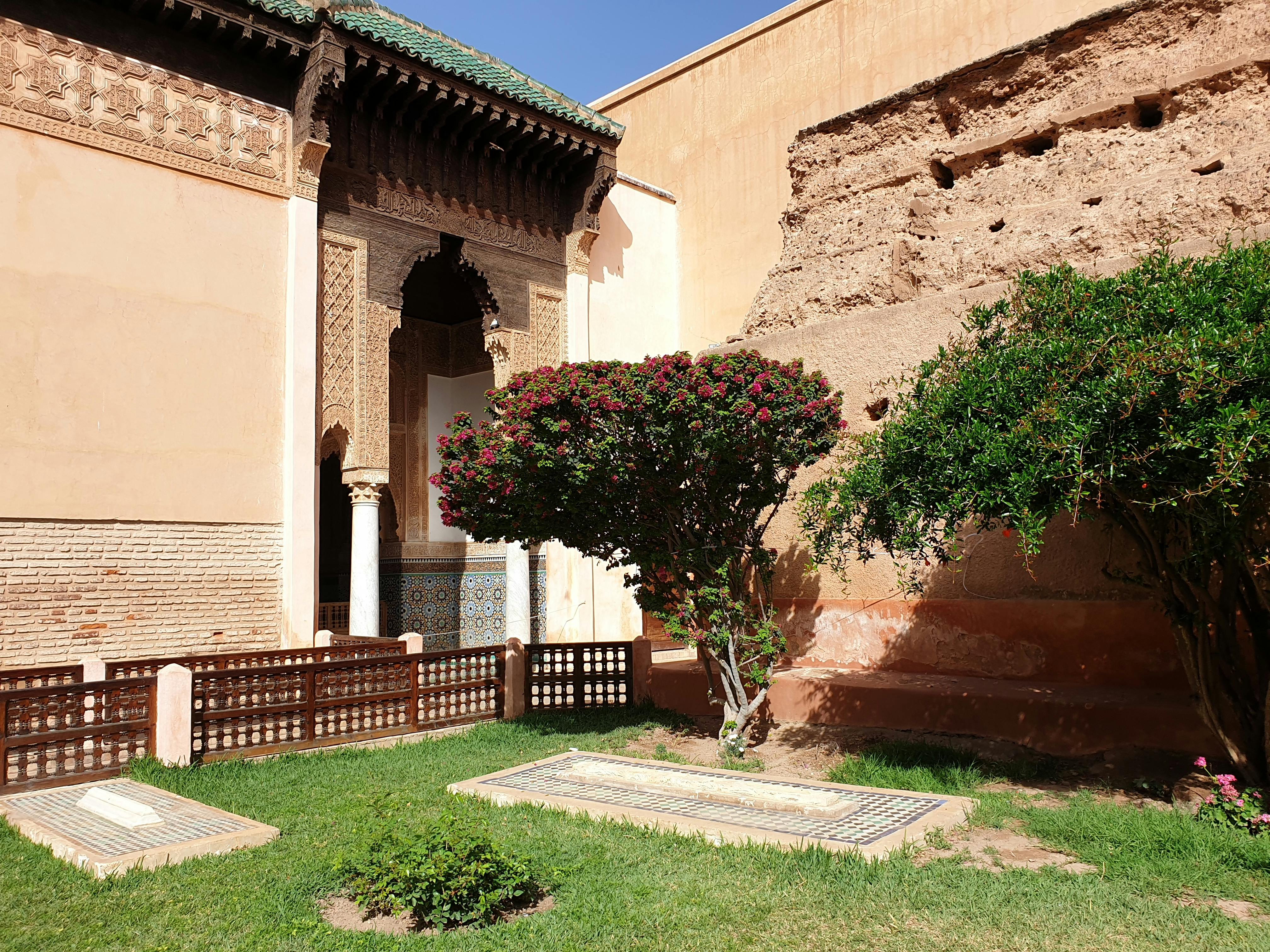
The tombs are situated within a beautifully restored mausoleum complex, featuring stunning tilework, carved stucco, and ornate arches. The most famous area is the Hall of the Twelve Columns, where the tombs of Sultan Ahmad al-Mansur and his family are laid to rest. The site’s architecture reflects a blend of Moroccan and Andalusian influences, with intricate geometric patterns and floral motifs that exemplify Islamic artistry. Visitors can stroll through the serene gardens and marvel at the craftsmanship that has stood the test of time.
To fully appreciate the Saadian Tombs, it’s best to visit early in the day to avoid crowds. The site offers guided tours that delve into the history of the Saadian dynasty and the significance of the decorative arts used in the tombs. Photography is permitted, allowing visitors to capture the vibrant tile mosaics and detailed carvings. Respect for the site’s historical and religious importance is essential, and visitors should dress modestly. Exploring the Saadian Tombs provides a fascinating glimpse into Marrakech’s royal history, offering a meaningful connection to the city’s imperial grandeur and artistic legacy that continues to inspire travelers today.
Majorelle Garden
The Majorelle Garden, located in the heart of Marrakech, is a vibrant oasis that seamlessly blends history, art, and botany. Originally designed in the 1920s by French painter Jacques Majorelle, this enchanting garden has become one of the city’s most iconic attractions. Its lush landscapes, striking color palette, and rich cultural history make it a must-visit destination for travelers seeking a serene retreat amid Marrakech’s bustling streets.
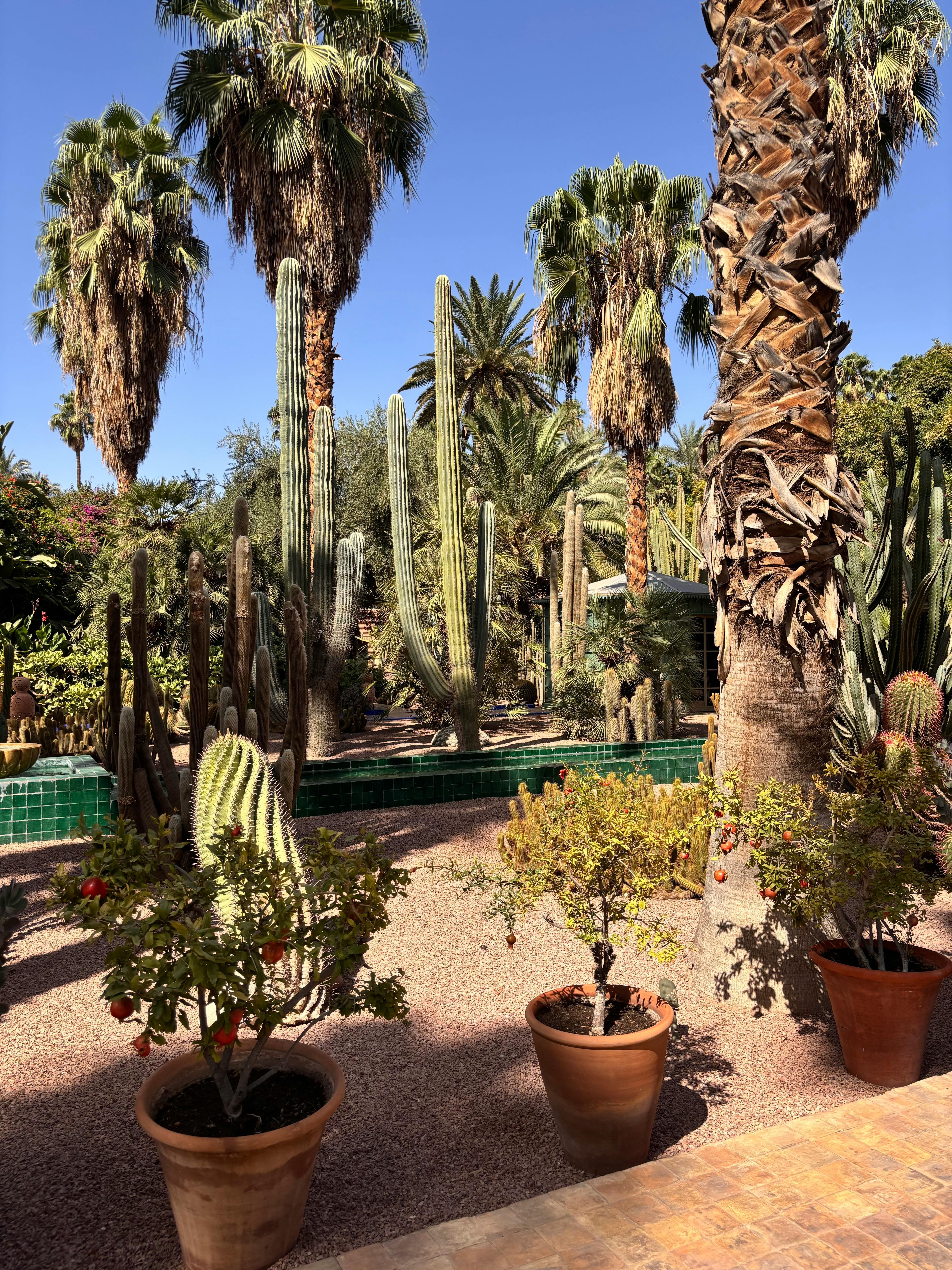
The garden spans approximately 12 acres and is renowned for its stunning collection of exotic plants, including cacti, palms, and bougainvillea, which create a lush, colorful environment. The centerpiece of the garden is the vibrant cobalt blue villa, which was once the home of Yves Saint Laurent, who fell in love with the site and later donated it to the Marrakech Museum of Islamic Art. Visitors can explore the villa’s striking architecture, which features bold colors and intricate details, offering a glimpse into Moroccan design aesthetics.
One of the garden’s most distinctive features is its use of the vivid blue hue, known locally as “Majorelle Blue,” which adorns the walls, fountains, and pathways. This color creates a captivating contrast against the greenery and bright flowers, making the entire space feel like a living painting. The garden also houses a small museum dedicated to Berber culture, showcasing traditional jewelry, textiles, and artifacts that deepen visitors’ understanding of Morocco’s rich heritage.
Practical information for visitors includes opening hours from morning until early evening, with guided tours available for those who wish to learn more about the garden’s history and botanical collection. Entry fees are modest, and the peaceful atmosphere makes it an ideal spot for photography, reflection, or simply enjoying a break from the city’s hustle. Whether you are passionate about art, nature, or history, the Majorelle Garden offers a unique, immersive experience that celebrates Marrakech’s vibrant culture and creative spirit.
Bahia Palace
Situated in the southern part of Marrakech, the Bahia Palace stands as a magnificent example of Moroccan architecture and opulence from the 19th century. Built during the reign of Sultan Moulay Hassan I, this sprawling palace complex was designed to be the epitome of luxury and grandeur for the sultan’s favorite concubines and high-ranking officials. Today, it remains a captivating destination for travelers eager to explore Morocco’s regal history and intricate craftsmanship.
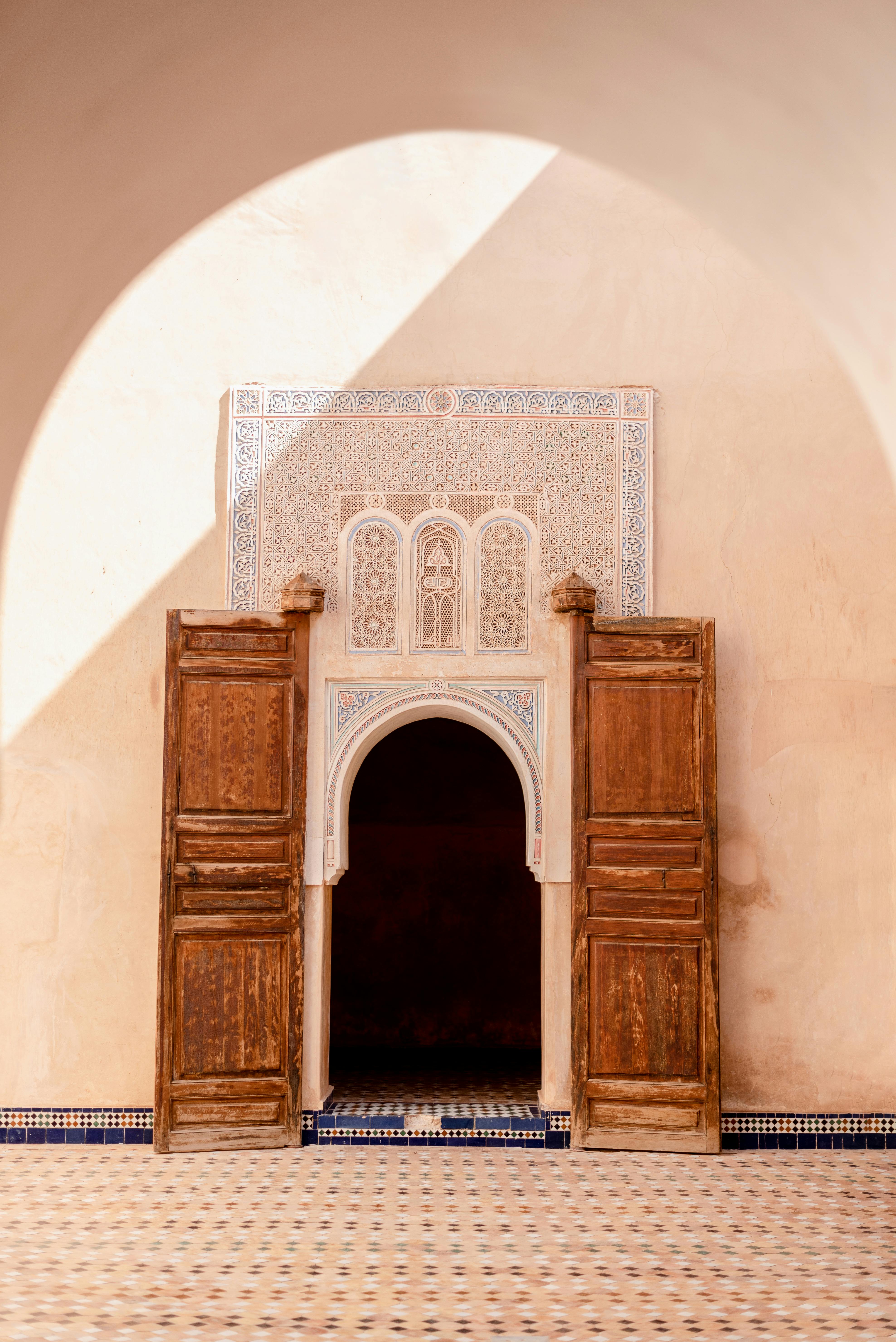
The palace covers over 8 hectares and features a labyrinth of courtyards, lush gardens, and ornate rooms. Its architecture is a harmonious blend of Moroccan, Islamic, and Andalusian influences, characterized by detailed stuccoes, colorful zellij tilework, carved cedar wood, and expansive archways. As you wander through the palace, you will notice the meticulous craftsmanship evident in every detail, from the intricate ceilings to the decorative fountains that adorn the courtyards.
One of the highlights of the Bahia Palace is its stunning reception hall, which boasts a high ceiling, intricate plasterwork, and a beautifully tiled floor. The palace’s numerous private chambers and halls offer a glimpse into the luxurious lifestyle of Morocco’s aristocracy during the 19th century. The lush gardens surrounding the palace provide a tranquil escape, with shaded walkways and fragrant orange trees enhancing the sense of serenity.
Practical tips for visitors include arriving early in the morning or late afternoon to avoid crowds. Guided tours are highly recommended, as they provide valuable insights into the history and symbolism behind the palace’s design elements. Entry is affordable, and the palace is open year-round, making it an accessible step into Morocco’s regal past. Visiting the Bahia Palace offers a captivating journey into Morocco’s cultural and architectural heritage, making it an essential stop for history enthusiasts and culture seekers alike.
When Is the Best Time to Visit Marrakech?
Understanding Marrakech’s Climate and Seasons
Marrakech experiences a semi-arid climate, characterized by hot summers and mild winters. The best time to visit depends largely on your preferences for weather and crowd levels. From late spring through early autumn, temperatures can soar above 35°C (95°F), making daytime exploration challenging, especially for those eager to immerse themselves in Marrakech’s vibrant culture and historic sites. Conversely, winter months from December to February typically offer mild daytime temperatures around 18-22°C (64-72°F), creating ideal conditions for sightseeing, shopping in bustling souks, and enjoying outdoor cultural festivals.
Peak Tourist Seasons and Cultural Events
The peak tourist season in Marrakech generally coincides with the spring and fall months, particularly from March to May and September to November. During these periods, the city buzzes with festivals, such as the Marrakech International Film Festival in December and the vibrant spring celebrations. While these months promise lively cultural experiences, they also attract larger crowds and higher prices for accommodations and tours.
Benefits of Visiting During Off-Peak Times
For travelers seeking a more authentic and relaxed experience, the off-peak months from December to February and July to August offer distinct advantages. During these times, you can enjoy:
- Lower prices on hotels and guided tours
- Fewer tourists, allowing for more intimate visits to historical sites like the Koutoubia Mosque or Saadian Tombs
- A more relaxed atmosphere in the bustling medinas and markets
However, be prepared for cooler evenings and the possibility of occasional rain, especially in winter. Despite this, these months offer a perfect blend of cultural immersion and comfort for those interested in exploring Marrakech’s rich history and vibrant traditions without the crowds.
Summary of Pros and Cons
| Time Period | Pros | Cons |
|---|---|---|
| Spring (March-May) |
|
|
| Fall (September-November) |
|
|
| Winter (December-February) |
|
|
| Summer (June-August) |
|
|
Ultimately, the optimal time to visit Marrakech depends on your preferences for weather, crowd levels, and cultural experiences. Whether you prefer the lively festivals of spring or the quieter winter months, Marrakech offers a rich and rewarding journey throughout the year.
Getting to Marrakech: Your Gateway to a Cultural and Historic Adventure
Located in the heart of Morocco, Marrakech is a city that beckons travelers with its vibrant markets, ancient palaces, and rich history. Reaching this captivating destination is straightforward, thanks to various transportation options suited to different travel styles. Whether you’re arriving from Europe, Africa, or beyond, understanding your options will help you plan a seamless journey into the city’s enchanting atmosphere.
Flights to Marrakech
The most convenient way for international travelers to reach Marrakech is by air. Marrakech Menara Airport (RAK) handles numerous international flights, especially from Europe, making it accessible for many travelers seeking a quick and comfortable journey. Major airlines connect cities like Madrid, Paris, London, and Barcelona directly to Marrakech. During peak seasons, it’s advisable to book flights well in advance to secure the best deals and availability. Once you arrive, the airport is just a short 15-minute drive from the city center, with taxis and shuttle services readily available.
Other Transportation Options
If you prefer overland travel, several options are available to reach Marrakech from neighboring regions:
- Trains: Morocco’s rail network connects Marrakech with major cities like Casablanca, Rabat, and Essaouira. The train journey from Casablanca takes approximately 2.5 to 3 hours, offering scenic views and a comfortable ride. Tickets are affordable, and trains run frequently.
- Buses: Long-distance buses operated by companies such as CTM and Supratours provide reliable service from various Moroccan cities. They are an economical choice, with modern buses offering Wi-Fi and comfortable seating.
- Car Rentals: For those seeking flexibility and the opportunity to explore Morocco’s scenic routes, renting a car is an excellent option. The roads are generally in good condition, and driving allows you to visit less accessible sites along the way.
Search for Car Hire
Travel Tips and Important Information
When planning your trip, keep in mind that Marrakech’s climate can vary greatly, so pack accordingly. If arriving by plane, consider arriving during daylight hours to better navigate your way into the city. For overland travel, check schedules in advance, especially during holidays or peak seasons, as services may be limited. Additionally, always carry some local currency, dirhams, for transportation and small purchases. To enhance your cultural experience, learn a few basic Arabic or French phrases, as these are widely spoken in Marrakech.
Finally, be aware of local customs and dress modestly, especially when visiting religious sites or traditional neighborhoods. With proper planning and an adventurous spirit, your journey to Marrakech will set the perfect tone for a memorable exploration of Morocco’s history, culture, and bucket-list attractions.
Best Places to Stay in Marrakech: A Guide for Every Budget
Whether you’re seeking a luxurious retreat steeped in history or a budget-friendly haven immersed in local culture, Marrakech offers accommodations that cater to every traveler’s desire. From opulent palaces to cozy riads, each option promises an authentic experience that complements the city’s vibrant history and rich culture. Here’s a curated selection to help you choose the perfect stay for your bucket-list trip.
Luxury Options: Indulge in Opulence and Heritage
For those who wish to immerse themselves in Marrakech’s regal past, luxury hotels offer a seamless blend of modern comfort and historic charm. These properties often feature stunning courtyards, intricate tile work, and world-class amenities, making them ideal for a memorable cultural escape.
- Royal Mansour Marrakech: This palatial retreat embodies Moroccan craftsmanship, with private riads, lush gardens, and a serene spa. It’s a sanctuary where history and luxury intertwine, perfect for travelers seeking exclusivity and a true taste of Moroccan aristocracy.
- La Mamounia: Famous for its legendary status, La Mamounia showcases Moorish architecture and exquisite gardens. Its location near Jemaa el-Fnaa places guests at the heart of Marrakech’s vibrant cultural scene, making it ideal for exploring the city’s history.
Mid-Range Charm: Authenticity Meets Comfort
If you want a comfortable stay that captures Marrakech’s essence without the extravagance, mid-range hotels and riads are excellent choices. They often feature traditional decor, warm hospitality, and easy access to cultural sites.
- Riad El Cadi: Located near the Medina, this charming riad offers a cozy atmosphere with beautifully decorated rooms and a peaceful courtyard. It’s perfect for travelers who want to experience local life while enjoying modern comforts.
- Les Jardins De La Koutoubia: Combining Moroccan design with contemporary amenities, this hotel boasts a stunning pool and lush gardens, providing a relaxing oasis amid the bustling city.
Budget Options: Dive Deep into Local Culture
For travelers eager to explore Marrakech authentically without overspending, budget accommodations provide a fantastic opportunity to connect with local culture. Many guesthouses and hostels are housed in traditional riads, offering a genuine Moroccan experience.
- Riad Zitoun Kimoon: This family-run riad features simple yet beautiful decor, friendly staff, and a central location. Staying here allows you to experience Moroccan hospitality firsthand.
- Equity Point Marrakech: A lively hostel with a vibrant atmosphere, it’s perfect for social travelers. It offers clean dorms and private rooms, along with communal spaces that foster interactions with fellow adventurers.
In summary, Marrakech’s accommodations are as diverse as its culture. Whether you desire regal luxury, authentic mid-range comfort, or budget-friendly immersion, each option offers a gateway to uncovering the city’s history and vibrant traditions. Choose your stay wisely, and let Marrakech’s timeless charm envelop you in an unforgettable journey.
Essential Travel Products for Visitors to Marrakech
1. Moroccan-Style Travel Backpack
For travelers exploring Marrakech, a versatile and stylish backpack is indispensable. The Moroccan-Style Travel Backpack combines functionality with cultural flair, making it ideal for navigating the bustling souks, historic sites, and scenic riads. Crafted from durable, lightweight canvas with intricate embroidered patterns inspired by traditional Moroccan textiles, this backpack offers both aesthetic appeal and practicality. It features multiple compartments, including a padded section for electronics, a secure zippered pocket for valuables, and side mesh pockets for water bottles or umbrellas. Its ergonomic design ensures comfort during long days of sightseeing, while the sturdy construction withstands the rigors of travel.
Available on Amazon and specialty travel stores, this backpack is perfect for those who want to carry essentials securely while embracing the vibrant Moroccan culture. Its eye-catching design also makes it a stylish accessory that complements Marrakech’s lively street scenes. Whether wandering through the medina or visiting historic palaces, this backpack keeps your belongings organized and adds a touch of local charm to your journey.
2. Portable Power Bank with Solar Charging
Staying connected while exploring Marrakech is crucial, especially when navigating the labyrinthine streets or capturing photos of breathtaking sights. A Portable Power Bank with Solar Charging capabilities ensures your devices stay charged without the need for frequent wall outlets. This device is lightweight, compact, and equipped with high-capacity batteries, allowing multiple charges for smartphones, cameras, or tablets. Its solar panels enable eco-friendly recharging during daytime excursions, making it particularly useful when visiting remote or outdoor sites like the Atlas Mountains or desert excursions.
Designed for travelers who spend long hours outdoors, this power bank is resistant to dust and water, ensuring durability in Marrakech’s lively environment. You can purchase it on electronics retailers like Best Buy or online platforms such as Amazon. With this device, you’ll never miss a moment of Marrakech’s vibrant culture or your Instagram-worthy shots, even when away from traditional power sources.
Shop these travel essentials on Amazon
Guidebooks for Culture, History & Bucket-List Trips in Marrakech
1. “Marrakech Travel Guide” by Lonely Planet
This comprehensive guide offers an in-depth look at Marrakech’s rich history, vibrant culture, and hidden gems. It features detailed itineraries, cultural insights, and practical tips to help travelers uncover authentic experiences. The book’s sections on local markets, historic sites, and traditional cuisine provide a well-rounded understanding of Marrakech’s unique character. Available on Kindle Unlimited and Audible, it’s perfect for those who want a flexible, informative resource to enhance their trip.
Listeners and readers can immerse themselves in stories about the city’s ancient medina, the stunning palaces, and bustling souks. The guide also includes practical advice on navigating the city, choosing accommodations, and finding the best deals. Whether you’re seeking a cultural deep dive or planning a bucket-list adventure, this guide is an essential companion.
2. “The Rough Guide to Marrakech & Atlas Mountains” by Rough Guides
This guide provides a detailed exploration of Marrakech’s historic sites and the surrounding Atlas Mountains. It highlights lesser-known attractions, local festivals, and traditional crafts, making it ideal for travelers eager to experience the city’s depth beyond the typical tourist spots. The book’s practical sections on transportation, accommodation, and safety ensure a smooth journey. Available on Kindle Unlimited and Audible, it caters to different learning preferences, offering both textual and audio insights.
Listeners can enjoy narrated stories about Marrakech’s ancient medina, the Berber villages in the Atlas, and the scenic mountain treks. The guide helps travelers discover authentic experiences, from traditional hammams to local cuisine, making it perfect for those seeking a culture-rich, adventure-filled trip.
3. “Culture & Cuisine of Marrakech” by Insight Guides
This beautifully curated guide emphasizes Marrakech’s vibrant cultural scene and culinary delights. It delves into the city’s history, art, music, and traditional food, offering a comprehensive understanding of its soul. The book features recommendations for immersive experiences like cooking classes, art workshops, and music festivals. Available on Kindle Unlimited and Audible, it allows travelers to learn about Marrakech’s cultural tapestry while on the go.
Listening to stories about Moroccan rituals, local artisans, and historic neighborhoods enriches the travel experience. This guide is perfect for those who want to go beyond sightseeing and truly connect with Marrakech’s cultural essence, making their trip memorable and meaningful.
Pack your bags and your Kindle! Kindle Unlimited gives you access to thousands of expert travel guides, cultural insights, and language books—all free for your first month. Travel smarter and explore deeper!
Frequently Asked Questions About Marrakech: Culture, History & Bucket-List Trips
1. What makes Marrakech a unique cultural destination?
Marrakech stands out as a vibrant hub of Moroccan culture, blending ancient traditions with modern influences. Its bustling souks, historic palaces, and lively plazas offer travelers an immersive experience. The city’s rich history is reflected in landmarks like the Koutoubia Mosque and Saadian Tombs, which showcase intricate architecture and centuries-old craftsmanship. Visitors can also enjoy traditional music, dance, and cuisine, making Marrakech a true feast for the senses. Exploring the city’s medina reveals a tapestry of colors, scents, and sounds that embody Morocco’s diverse heritage.
2. What are the must-visit historical sites in Marrakech?
Some of the most iconic historical sites include:
- Jemaa el-Fnaa Square: The lively heart of Marrakech, where storytellers, performers, and food vendors create an unforgettable atmosphere.
- Bahia Palace: A stunning 19th-century palace showcasing Moroccan architecture and lush gardens.
- Saadian Tombs: Resting place of sultans, beautifully decorated with intricate tile work and carvings.
- Koutoubia Mosque: An architectural masterpiece and Marrakech’s largest mosque, visible from afar.
Each site offers a glimpse into Marrakech’s storied past, making them essential for history enthusiasts.
3. How can travelers find the best travel deals to Marrakech?
To secure the best deals, consider the following strategies:
- Book flights early: Airlines often offer discounts for advance bookings, especially during shoulder seasons.
- Compare accommodation options: Use travel aggregators and booking platforms to find deals on riads, boutique hotels, or guesthouses.
- Travel during off-peak seasons: Visiting between November and February can reduce costs and avoid crowds.
- Look for package deals: Some travel agencies bundle flights, hotels, and tours for significant savings.
- Stay informed: Sign up for alerts from travel deal websites to catch flash sales or special promotions.
4. What are some authentic bucket-list experiences in Marrakech?
For a memorable trip, consider adding these experiences:
- Shopping in the vibrant souks for handcrafted textiles, jewelry, and spices.
- Taking a camel ride into the nearby Sahara Desert for a sunset adventure.
- Participating in a traditional Moroccan cooking class to learn local recipes.
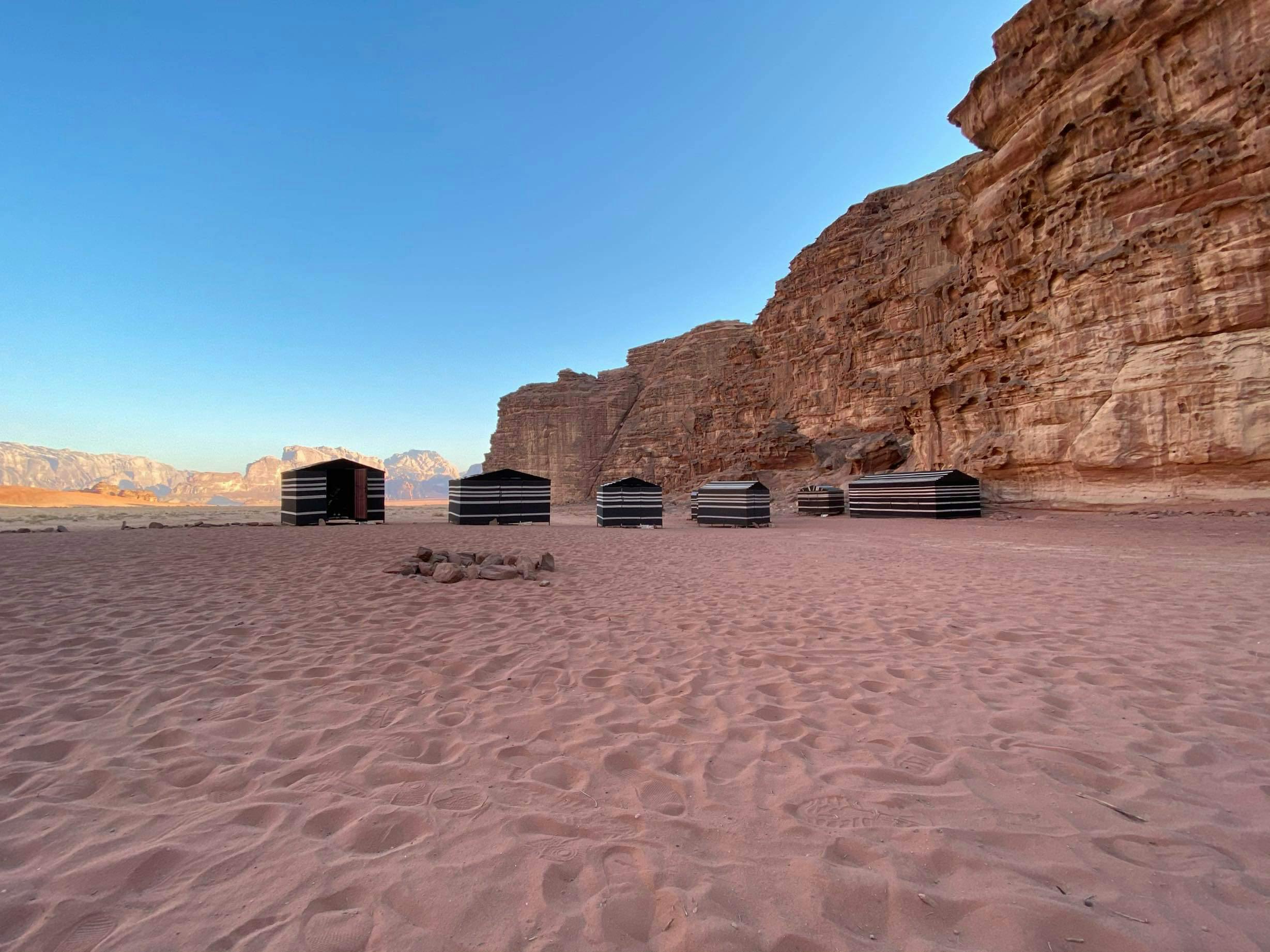
- Staying overnight in a desert camp under a blanket of stars.
- Relaxing in a traditional hammam for a rejuvenating spa experience.
These activities not only enrich your journey but also create lifelong memories.
5. When is the best time to visit Marrakech for cultural festivals?
The ideal time to visit is during spring (March to May) or autumn (September to November). During these months, Marrakech hosts vibrant festivals like the Marrakech International Film Festival in December and the Festival of Fantasia in September. These events showcase Moroccan arts, music, and traditions, offering travelers an authentic cultural experience. Additionally, the weather is generally mild and pleasant, making outdoor explorations more enjoyable.
6. How can I immerse myself in Marrakech’s local culture?
Engaging with local customs enhances your trip significantly. Try to:
- Learn basic Arabic or Moroccan Arabic phrases to communicate with vendors and locals.
- Dress modestly, especially when visiting religious sites.
- Participate in local workshops, such as pottery or tile-making.
- Sample traditional dishes like tagine, couscous, and pastilla at neighborhood eateries.
- Attend cultural performances and music festivals to experience Moroccan artistry firsthand.
By embracing local traditions, you’ll gain a deeper appreciation of Marrakech’s vibrant heritage.
7. What practical tips should I keep in mind while exploring Marrakech?
To ensure a smooth visit, keep these tips in mind:
- Carry cash in small denominations, as many vendors do not accept cards.
- Stay vigilant against pickpockets, especially in crowded areas.
- Respect local customs, particularly regarding dress and photography in religious sites.
- Use reputable guides for tours to gain authentic insights and avoid scams.
- Stay hydrated and wear comfortable shoes for walking through bustling streets and markets.
Following these practical tips will help maximize your enjoyment and safety during your Marrakech adventure.
Earn cashback on everything from flights to travel insurance – join now!
Embark on Your Unforgettable Journey to Marrakech
In conclusion, Marrakech stands out as a captivating destination that seamlessly blends rich history, vibrant culture, and unforgettable experiences. From exploring the maze-like souks filled with handcrafted treasures to marveling at stunning architectural marvels like the Koutoubia Mosque, this city offers a true feast for the senses. Moreover, its unique blend of tradition and modernity ensures every traveler finds something special, whether it’s savoring authentic Moroccan cuisine or discovering hidden gems in the ancient medina.
One of the key takeaways from this guide is the importance of planning ahead to secure the best travel deals. By booking flights and accommodations early, leveraging local tours, and exploring off-peak seasons, travelers can enjoy a luxurious experience without overspending. Additionally, immersing yourself in local customs and participating in cultural activities enriches your visit, transforming it into a bucket-list adventure. Marrakech’s diverse attractions and vibrant traditions make it a destination worth exploring at any time of year.
Now is the perfect time to start your journey. Dive deeper into Marrakech’s history, culture, and extraordinary sights, and create memories that will last a lifetime. Whether you’re seeking a romantic escape, a cultural deep dive, or an adventure-filled trip, Marrakech promises an experience that’s truly one-of-a-kind.