Discover the Untamed Beauty of Nature & Adventure Travel in Banff National Park
Explore the Wonders of Banff National Park: Your Ultimate Guide to Nature & Adventure Travel Deals
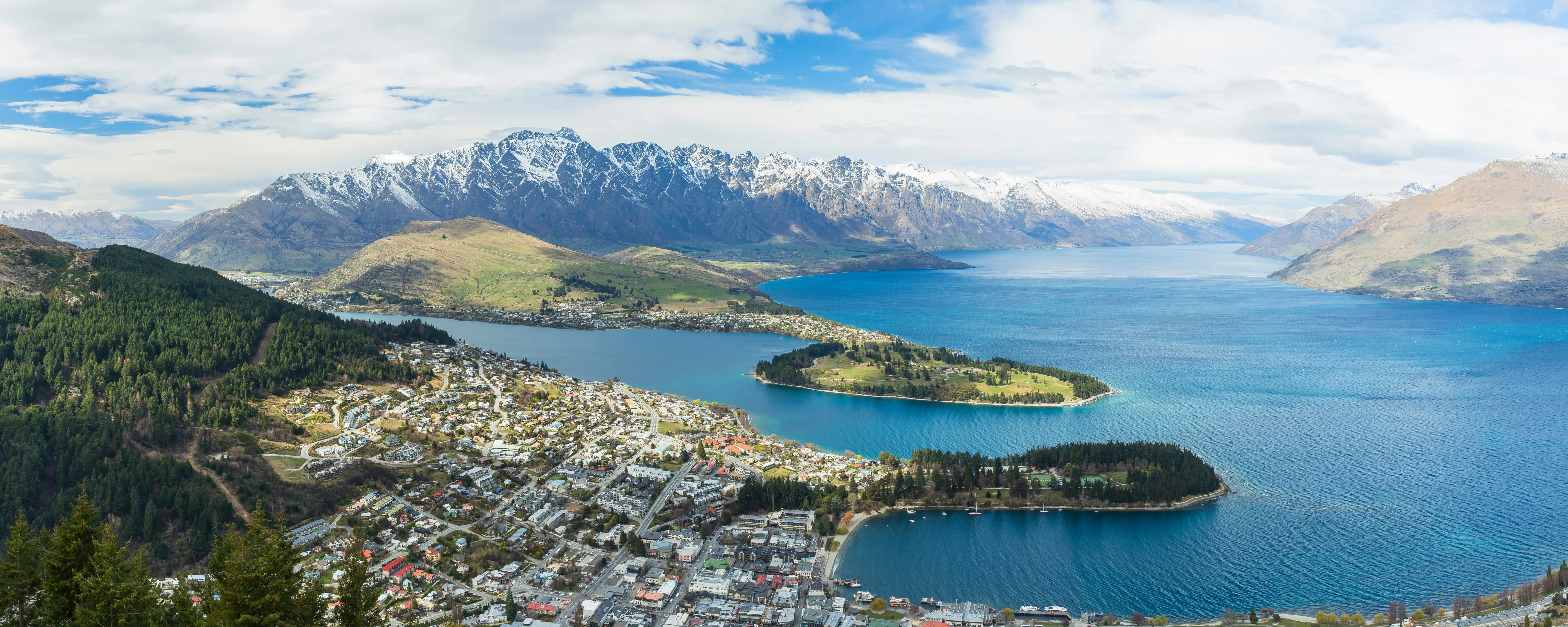
Nestled within the majestic Rocky Mountains of Alberta, Banff National Park stands as a crown jewel of Canada’s natural landscape. Renowned for its breathtaking mountain vistas, crystal-clear lakes, and lush forests, this UNESCO World Heritage site offers an unrivaled playground for outdoor enthusiasts and adventure seekers alike. Whether you’re drawn to tranquil hikes along alpine trails, exhilarating mountain biking, or the thrill of spotting wildlife in their pristine habitat, Banff promises an immersive experience in nature’s grandeur. Its unique blend of rugged wilderness and vibrant ecosystems makes it a must-visit destination for those craving authentic adventure and serenity in equal measure.
As one of the most iconic national parks in the world, Banff attracts millions of travelers each year. Yet, discovering the best travel deals can transform your trip from memorable to extraordinary without breaking the bank. In this guide, you’ll find expert tips on securing the top discounts, exploring hidden gems, and making the most of your adventure-filled journey. Prepare to uncover the secrets of Banff’s wild beauty and learn how to plan an unforgettable, budget-friendly escape into nature.
No ads, unlimited skips, and offline listening – perfect for travelers! Try Amazon Music Unlimited free.
Lake Louise
Nestled in the heart of Banff National Park, Lake Louise is one of Canada’s most iconic natural wonders. This glacially fed lake is renowned for its stunning turquoise waters, framed by towering mountain peaks and the Victoria Glacier. The lake’s vivid color results from finely ground rock particles suspended in the water, creating an almost surreal appearance that captivates visitors year-round. Whether visiting in summer or winter, Lake Louise offers an extraordinary experience for nature lovers and adventure seekers alike.
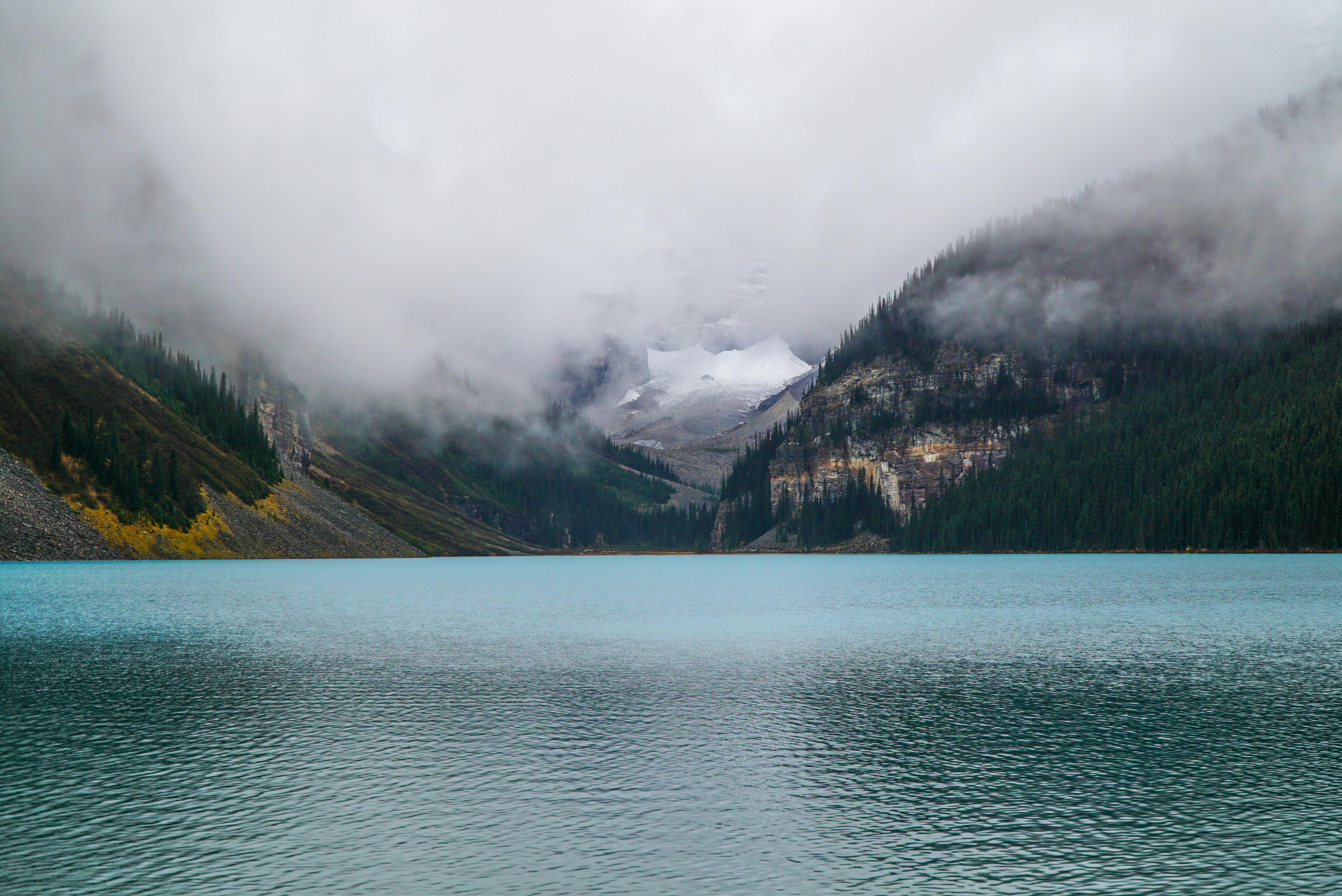
Located approximately 60 kilometers west of Banff townsite, Lake Louise is easily accessible via well-maintained roads, making it a popular day-trip destination. The area surrounding the lake features a network of well-marked hiking trails, offering options for all levels of hikers. The most famous trail is the Lake Agnes Tea House Trail, which takes visitors through lush forests to a historic tea house perched above the lake, providing panoramic views and a cozy spot to relax. During winter, the lake transforms into a pristine ice skating rink, attracting visitors eager to glide across its smooth surface while surrounded by snow-capped peaks.
For those interested in more adventurous pursuits, canoe rentals are available in the summer months, allowing visitors to paddle across the lake’s shimmering surface. Photographers flock here for the breathtaking sunrise and sunset vistas, when the light accentuates the vibrant hues of the water and the surrounding mountains. Accommodations range from luxury lodges to cozy cabins, offering options for various budgets and preferences.
Practical information includes parking availability, which can fill up quickly during peak seasons, so arriving early is recommended. There are also shuttle services from Banff during busy periods. Remember to dress appropriately for the season, as weather can change rapidly in the mountains. Visiting Lake Louise promises an unforgettable immersion into pristine wilderness, whether you seek tranquil reflection, outdoor adventure, or simply awe-inspiring scenery.
Moraine Lake
Perched within the Valley of the Ten Peaks, Moraine Lake is a jewel of Banff National Park that exemplifies the rugged beauty of the Canadian Rockies. This glacially carved lake is famous for its striking blue color, which rivals that of Lake Louise, but with a more secluded and intimate setting. Surrounded by a dramatic backdrop of jagged mountain peaks and dense pine forests, Moraine Lake offers a quintessential alpine landscape that draws photographers, hikers, and nature enthusiasts from around the world.
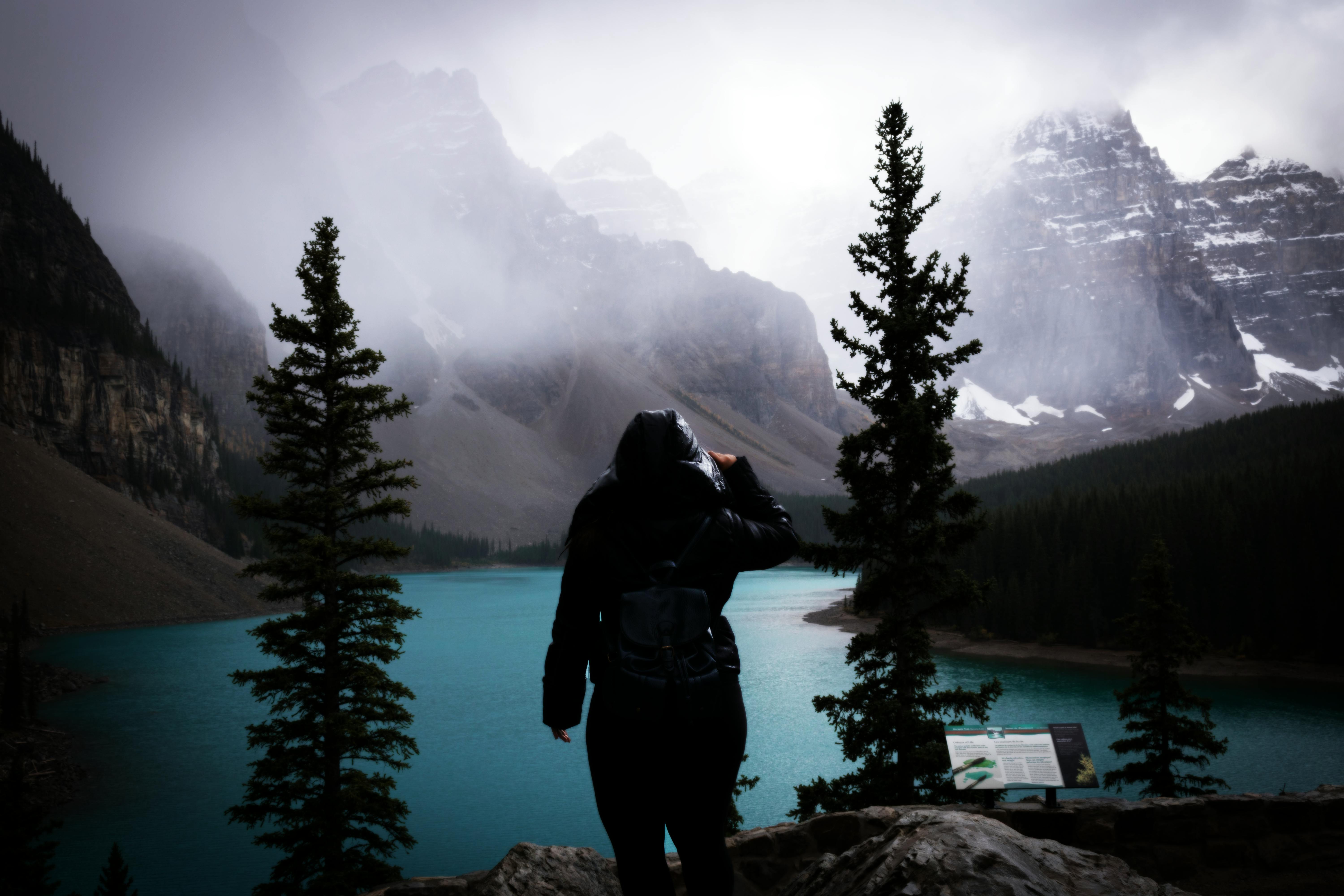
Accessible via a short drive from Lake Louise, Moraine Lake is situated at the end of Moraine Lake Road, which is often closed during winter due to snow. The best time to visit is from late spring to early fall, when the weather is warm and the lake’s vivid color is at its peak. The area features a popular hiking trail called the Moraine Lake Rockpile and Consolation Lakes trail, which provides stunning viewpoints over the lake and the surrounding peaks. For a more challenging adventure, hikers can explore the longer, more strenuous trails leading into the Valley of the Ten Peaks, offering sweeping vistas and a sense of wilderness.
During the summer, the lake is a hub for outdoor activities like kayaking and canoeing, with rentals available for those eager to experience the calm, mirror-like surface up close. Photography is particularly rewarding here, especially during early mornings when the light is soft and the crowds are fewer. Visitors should note that parking can be limited during peak times, and a shuttle service is often recommended to avoid congestion.
In winter, Moraine Lake is transformed into a serene winter wonderland, with snow-covered peaks and frozen surfaces ideal for snowshoeing and winter photography. Regardless of the season, Moraine Lake remains a symbol of natural grandeur, offering a profound connection to the rugged beauty of Banff’s wilderness. Planning ahead ensures you can fully enjoy this breathtaking destination, whether for a quick visit or an extended outdoor adventure.
Banff Upper Hot Springs
Situated just a short drive from the heart of Banff townsite, Banff Upper Hot Springs offers a relaxing retreat amid stunning mountain scenery. These natural mineral-rich hot springs have been a popular destination for centuries, first used by indigenous peoples and later developed into a modern spa experience. The springs are fed by underground volcanic activity, which heats the water to a comfortable temperature, typically around 37 to 40 degrees Celsius (98 to 104 degrees Fahrenheit). The warm waters provide a soothing escape after a day of exploring Banff’s rugged terrain.
Located at an elevation of approximately 1,585 meters (5,200 feet), the hot springs offer panoramic views of the surrounding mountains, creating a unique blend of relaxation and nature immersion. The facility features a large outdoor pool with comfortable seating areas, changing rooms, and a small café where visitors can enjoy refreshments. The experience is especially magical during the colder months, when steam rises from the hot water against a backdrop of snow-covered peaks, providing a truly invigorating atmosphere.
Visitors can enjoy the therapeutic benefits of soaking in mineral-rich waters, believed to promote relaxation, improve circulation, and soothe muscle tension. The springs are accessible year-round, with the best times being early mornings or late afternoons to avoid crowds. The site also offers interpretive displays about the natural history and geology of the springs, enriching the visitor experience.
Practical tips include arriving early or later in the day, especially during peak seasons, to enjoy a more tranquil soak. The hot springs are family-friendly, with a designated area for children, and wheelchair access is available. Whether seeking relaxation after a day of hiking or simply wanting to unwind in a spectacular mountain setting, Banff Upper Hot Springs offers a rejuvenating escape into nature’s healing waters. It’s an essential stop for anyone wishing to combine outdoor adventure with wellness amidst the stunning scenery of Banff National Park.
Sulphur Mountain
Perched above the charming town of Banff, Sulphur Mountain offers visitors a breathtaking blend of natural beauty and panoramic vistas. Located just a short drive from the town center, this iconic peak rises approximately 2,281 meters (7,484 feet) above sea level, providing an extraordinary vantage point over Banff National Park and the surrounding Rocky Mountains. The mountain is renowned for its geothermal activity, evident in the steaming vents and sulfurous smell that lend it its name. Its accessibility and stunning views make Sulphur Mountain a must-visit destination for outdoor enthusiasts and adventure travelers alike.
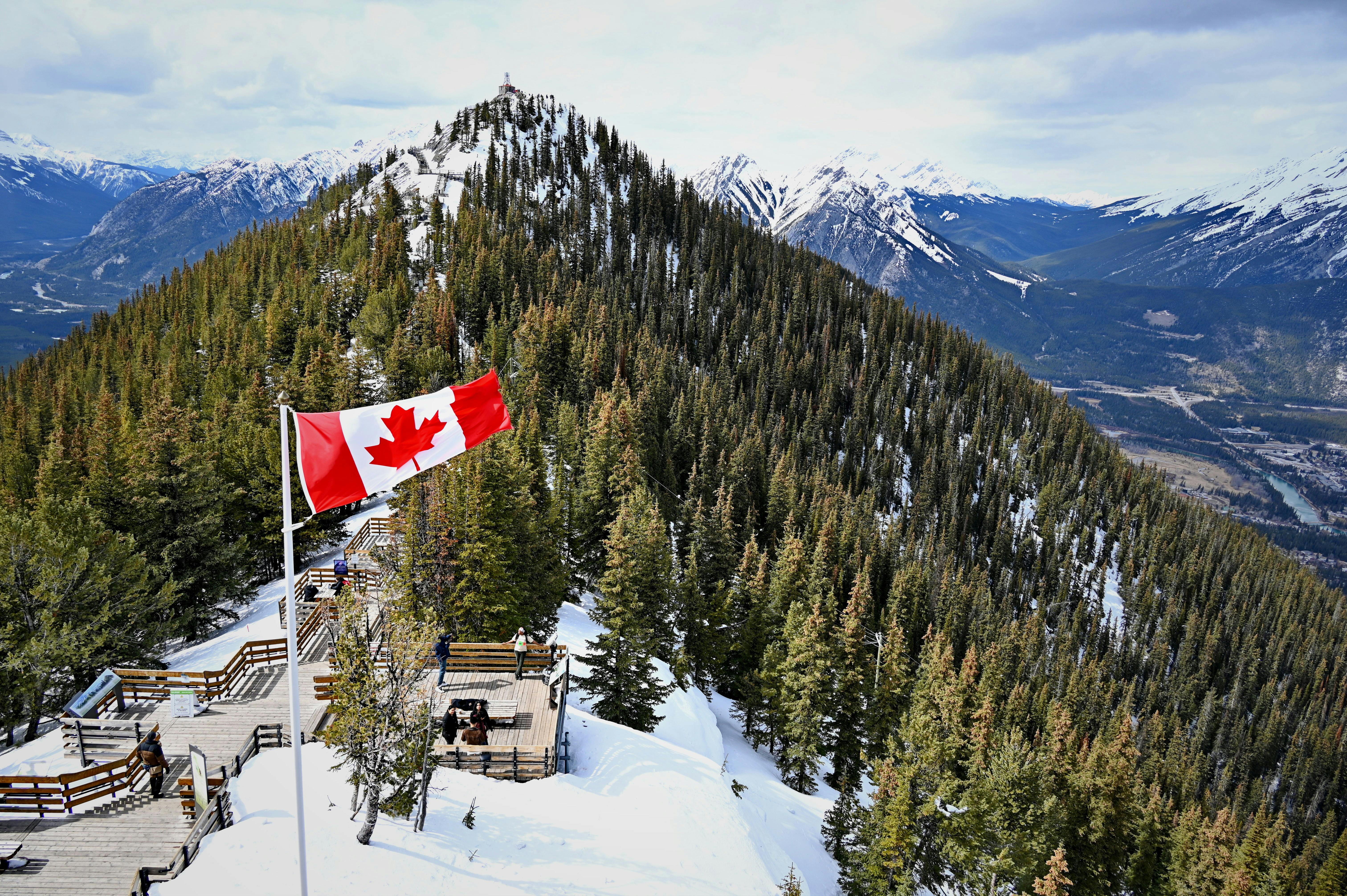
One of the main features of Sulphur Mountain is the Banff Skywalk, a well-maintained trail that leads visitors from the base to the summit. The most popular way to reach the top is via the Sulphur Mountain Gondola, which offers a scenic ride up to the summit station. From the observation deck, visitors are treated to sweeping views of Banff townsite, the Bow Valley, and distant peaks that stretch as far as the eye can see. The summit also boasts several hiking trails, including the popular Sulphur Mountain Summit Trail, which takes approximately an hour to reach the peak on foot. Along the way, hikers are rewarded with spectacular vistas, alpine flora, and opportunities to observe local wildlife.
Aside from its visual appeal, Sulphur Mountain is a hub for outdoor activities. In addition to hiking and gondola rides, visitors can explore interpretive trails, visit the historic Banff Upper Hot Springs nearby, or simply enjoy a picnic while soaking in the mountain scenery. The summit area features a weather observatory and a small café, perfect for relaxing after a vigorous climb or ride. The gondola operates year-round, making this attraction accessible regardless of season. During winter, the snow-covered landscape transforms Sulphur Mountain into a winter wonderland, ideal for snowshoeing and photography. Overall, Sulphur Mountain offers a perfect blend of adventure, natural beauty, and cultural history, making it an essential part of any Banff visit.
Johnston Canyon
Located just a few kilometers from the town of Banff, Johnston Canyon is a captivating natural wonder that draws visitors with its dramatic waterfalls, narrow gorge, and lush forest setting. Situated along the Bow River, this canyon is famous for its series of waterfalls and turquoise pools that cascade through a deep, rugged gorge carved by centuries of water erosion. The trail along Johnston Canyon is well-maintained and accessible, making it a popular destination for families, hikers, and nature lovers seeking an immersive outdoor experience in the heart of the Rockies.
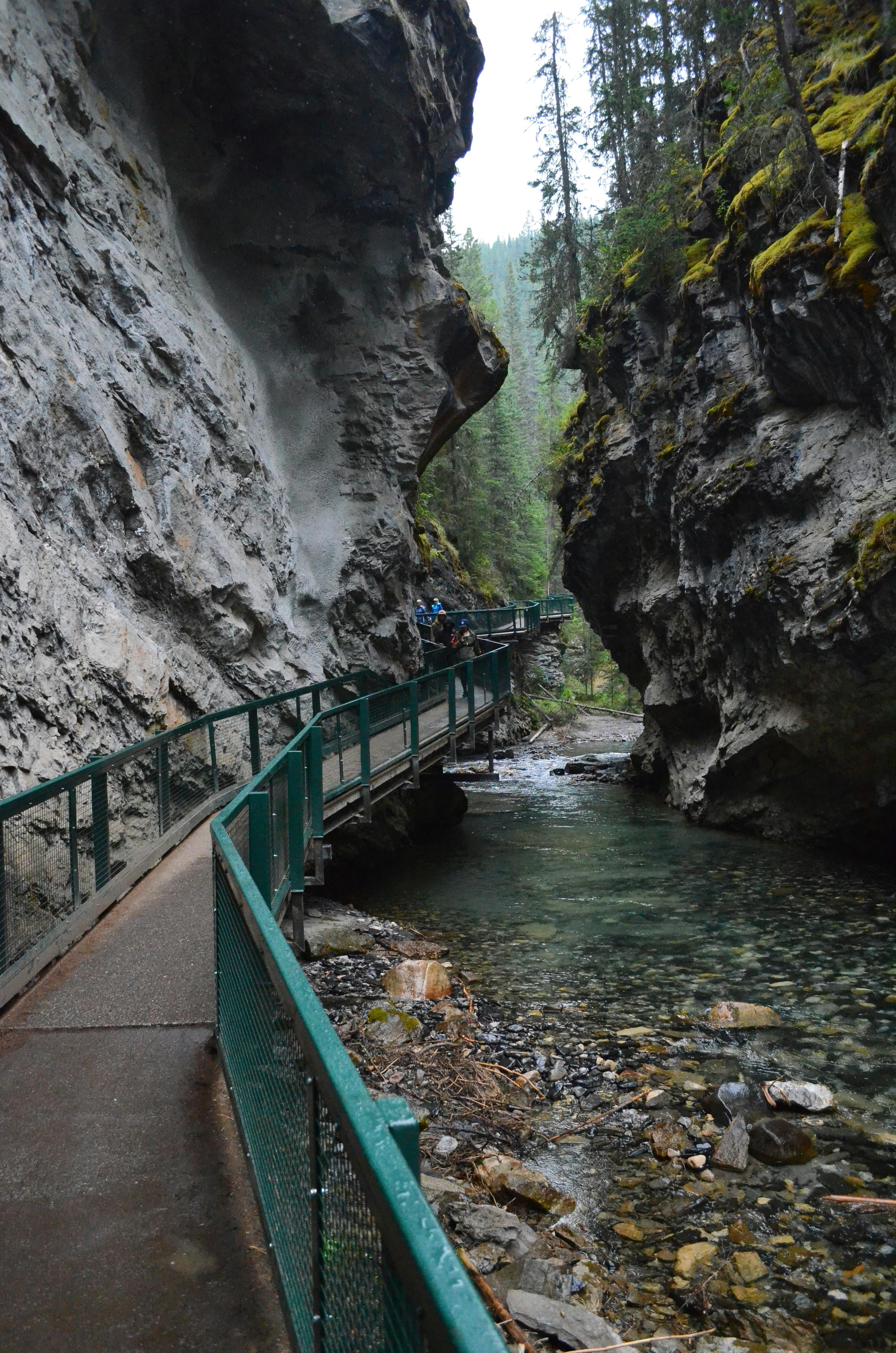
The main trail to the Lower Falls is approximately 2.1 kilometers (1.3 miles) one way, leading visitors through a series of wooden walkways and bridges that cling to the canyon walls. As you approach the Lower Falls, the sound of rushing water becomes more prominent, and the view of the cascading waterfalls is simply mesmerizing. For those seeking a longer adventure, the trail continues to the Upper Falls, about 5.4 kilometers (3.4 miles) from the canyon entrance. Along this route, hikers can enjoy spectacular views of the canyon’s narrow walls, hanging bridges, and the surrounding forested landscape.
What makes Johnston Canyon particularly special is its combination of adventure and tranquility. The canyon’s cool, shaded environment provides a refreshing escape during hot summer days, while the dramatic waterfalls and rugged cliffs create a sense of awe. During winter, the canyon transforms into a snowy wonderland, with frozen waterfalls and ice formations that attract ice climbers and photographers alike. Practical tips for visitors include arriving early to beat crowds, especially during peak season, and wearing sturdy footwear for uneven terrain. The trail is suitable for most fitness levels, but caution should be exercised on the bridges and during icy conditions. Whether you’re seeking a family-friendly outing or a challenging hike, Johnston Canyon offers an unforgettable journey into Banff’s natural splendor.
Best Time to Visit Banff National Park
Understanding the Seasons: Weather and Accessibility
Banff National Park experiences distinct seasons, each offering a different adventure. Summers, from June to August, bring warm temperatures averaging 15-22°C (59-72°F), ideal for hiking, mountain biking, and exploring the park’s stunning lakes. However, this is also the peak tourist season, meaning popular spots like Lake Louise and Moraine Lake can be crowded. Spring, from late April to early June, sees the melting snow and blooming wildflowers, creating a vibrant landscape perfect for wildlife viewing and photography. In contrast, winter, from December to February, transforms Banff into a snowy wonderland, ideal for skiing, snowboarding, and snowshoeing. Fall, September to November, offers crisp air and fewer visitors, with the added benefit of stunning fall foliage.
Peak Tourist Seasons and Off-Peak Benefits
Peak season generally spans from June through August, when the weather is warmest and most outdoor activities are accessible. During this period, you can enjoy longer daylight hours and fully access hiking trails, lakes, and scenic drives. However, expect higher prices for accommodations and more crowded attractions. Conversely, visiting during the shoulder seasons—spring and fall—offers several advantages:
- Less Crowded: More tranquil experience and easier access to popular sites.
- Lower Costs: Reduced prices for lodging and tours.
- Unique Landscapes: Spring wildflowers and fall foliage provide spectacular photo opportunities.
Winter provides a completely different experience, with fewer visitors outside ski resorts, and opportunities for winter sports enthusiasts. Keep in mind that some roads and trails may be closed due to snow, so plan accordingly.
Summary Table: Pros and Cons of Visiting at Different Times
| Season | Weather & Activities | Pros | Cons |
|---|---|---|---|
| Summer (June – August) | Warm, long days, accessible hiking and lakes | Best for outdoor adventures, full trail access, vibrant scenery | Crowds, higher prices, popular spots crowded |
| Spring (April – June) | Cooler, snowmelt, blooming wildflowers | Wildlife viewing, fewer tourists, lush landscapes | Variable weather, some trails may be muddy or closed |
| Fall (September – November) | Crisp air, fall foliage, fewer visitors | Beautiful scenery, peaceful atmosphere, lower costs | Shorter days, some activities limited |
| Winter (December – February) | Cold, snowy, perfect for winter sports | Fewer tourists, winter sports galore, magical scenery | Limited access, some roads/trails closed, cold temperatures |
Choosing the best time to visit Banff depends on your preferred activities and tolerance for crowds. Whether you seek summer hikes, spring wildlife, fall colors, or winter sports, each season offers unique opportunities for an unforgettable nature and adventure travel experience.
Getting to Banff National Park: Your Gateway to Nature & Adventure
Located in the heart of the Canadian Rockies, Banff National Park is a premier destination for those seeking breathtaking landscapes, outdoor adventures, and pristine wilderness. Reaching this iconic park involves choosing the most convenient and scenic travel options, ensuring your journey complements the natural beauty awaiting you. Whether you’re arriving from afar or nearby, understanding the best routes and modes of transport can enhance your overall experience.
Transportation Options to Banff National Park
Flights
The most efficient way to reach Banff from international locations is by flying into Calgary International Airport (YYC). Calgary is approximately a 1.5-hour drive from Banff, making it a popular entry point for travelers. Several major airlines offer direct flights from North America, Europe, and other regions, especially during peak travel seasons. Once you arrive at Calgary Airport, you can rent a car or take a shuttle to Banff.
Trains
Traveling by train offers a scenic and leisurely route into the Rockies. VIA Rail Canada operates routes from several major cities, including Vancouver, Toronto, and Montreal, with stops in Calgary. From Calgary, you’ll need to transfer to local transport or rent a car to reach Banff. This option is perfect for those who prioritize comfort and enjoy panoramic views along the way.
Buses
Several bus companies provide regular services from Calgary and other nearby cities directly to Banff. Companies like Brewster Express and Banff Airporter offer convenient schedules, often with scenic routes through the mountains. This is a budget-friendly and eco-conscious choice for travelers who prefer not to drive.
Car Rentals
Renting a car provides maximum flexibility, especially for exploring the park’s remote areas and hidden gems. Major rental agencies operate at Calgary Airport and in downtown Calgary. Opt for a 4WD vehicle if you plan to venture into more rugged terrains or during winter months when snow conditions are prevalent. Remember to check if your rental includes necessary insurance and roadside assistance.
Search for Car Hire
Travel Tips and Important Information
- Advance bookings: During peak seasons (summer and winter holidays), flights, buses, and car rentals can fill up quickly. Reserve early to secure your preferred options.
- Weather considerations: Weather in the Rockies can change rapidly. Pack layers, waterproof gear, and sturdy footwear for outdoor adventures.
- Travel time: Allow extra time for travel, especially during winter when snow and road conditions can cause delays.
- Local transportation: Once in Banff, consider using local shuttles, cycling, or walking to explore the park sustainably and intimately.
Getting to Banff National Park is the first step toward immersing yourself in one of the world’s most stunning natural environments. Whether you choose to fly, take a scenic train, hop on a bus, or drive yourself, each route offers a unique perspective on this majestic wilderness. Prepare well, and your adventure in the Canadian Rockies will start seamlessly from the moment you set out.
Best Places to Stay in Banff National Park for Every Budget
Banff National Park offers a diverse array of accommodations that cater to nature lovers and adventure seekers alike. Whether you’re seeking luxury, mid-range comfort, or budget-friendly options, each choice provides a unique way to immerse yourself in the park’s breathtaking landscapes. Here, we explore top accommodations across different budgets, ensuring your stay complements your adventure-filled journey.
Luxury Options for an Unforgettable Experience
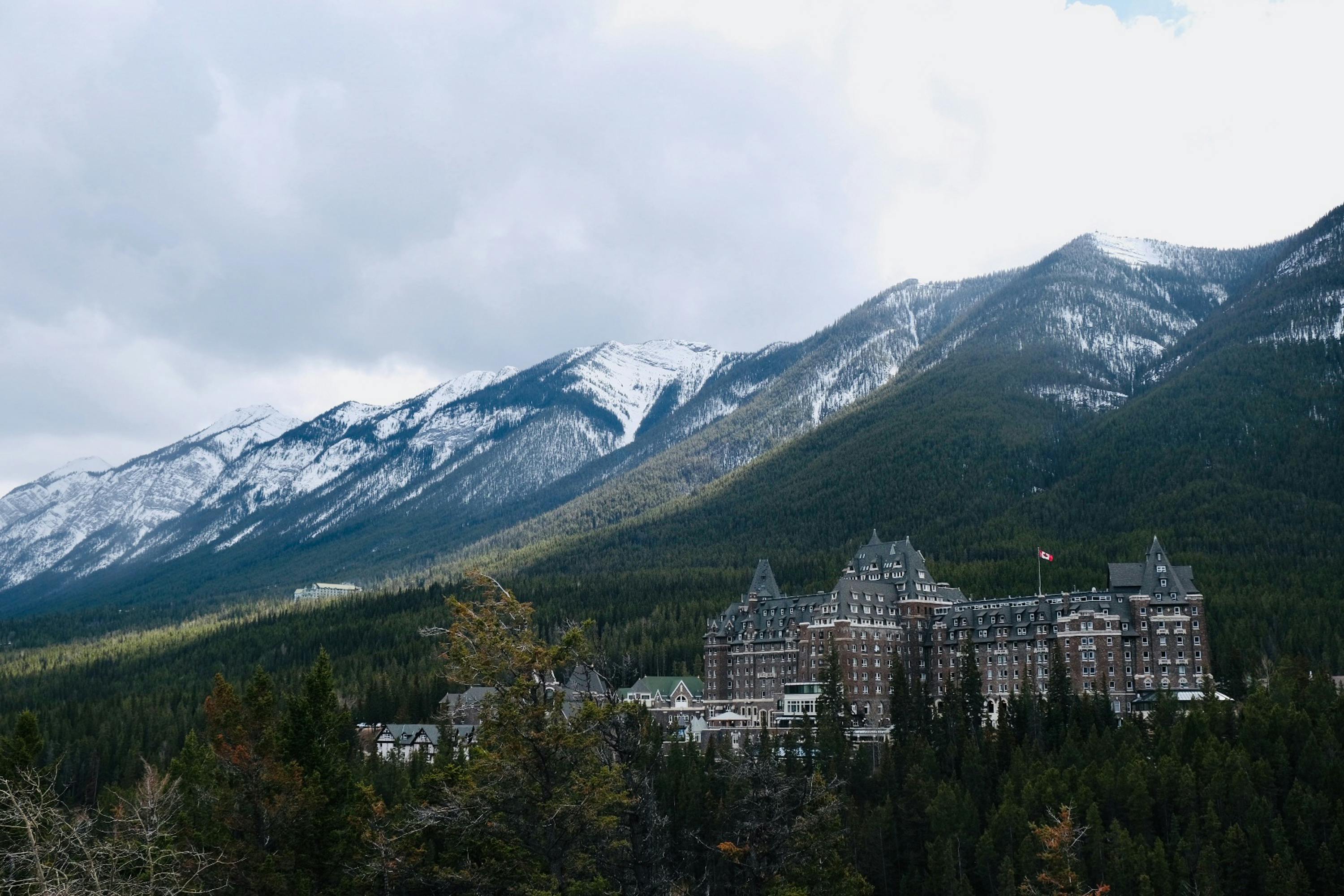
If you desire a truly indulgent stay amid the majesty of the mountains, the Fairmont Banff Springs stands out as the ultimate choice. Known as the “Castle in the Rockies,” this historic hotel combines regal elegance with modern amenities. Its stunning architecture, complemented by panoramic views of the surrounding peaks, makes it perfect for travelers seeking comfort and grandeur after a day of exploration. The hotel features luxurious rooms, a world-class spa, fine dining options, and easy access to hiking trails and scenic viewpoints. Staying here allows guests to indulge in nature’s beauty while enjoying top-tier service.
Mid-Range Accommodations for Comfort and Convenience
For those who want a balance between comfort and affordability, the Banff Inn offers a cozy yet convenient base. Located close to the town center, it provides comfortable rooms with modern amenities, including free Wi-Fi and complimentary breakfast. Its proximity to local shops, restaurants, and trailheads makes it an excellent choice for adventurers eager to explore Banff’s outdoor pursuits without sacrificing comfort. Additionally, the inn’s warm, welcoming atmosphere creates a perfect retreat after a day of mountain adventures.
Budget-Friendly Stays for the Thrifty Explorer
Travelers on a tighter budget will appreciate the HI Banff Alpine Centre. This hostel offers affordable dormitory beds and private rooms, making it ideal for backpackers and solo travelers. Its communal spaces foster social interaction among like-minded adventurers, and its location provides easy access to popular hiking trails and outdoor activities. Despite its budget-friendly nature, the hostel maintains a clean, safe environment, ensuring that you can focus on your adventures without worry. Staying here allows you to allocate more funds toward outdoor gear and excursions.
Summary of Accommodation Options
| Budget Level | Recommended Accommodation | Highlights |
|---|---|---|
| Luxury | Fairmont Banff Springs | Elegant, historic, panoramic views, spa, fine dining |
| Mid-Range | Banff Inn | Comfortable, convenient, close to town center |
| Budget | HI Banff Alpine Centre | Affordable, social atmosphere, easy trail access |
Choosing the right accommodation in Banff National Park depends on your adventure style and budget. Regardless of your choice, staying within or near the park ensures you maximize your time exploring this stunning natural wonderland. Each option provides a different way to connect with nature, whether through luxurious comfort, mid-range convenience, or budget-friendly simplicity.
Essential Travel Products for Exploring Banff National Park
1. Waterproof Hiking Boots
When venturing into the rugged terrains of Banff, a reliable pair of waterproof hiking boots becomes indispensable. These boots provide excellent ankle support and traction, crucial for navigating uneven trails, rocky paths, and occasional muddy sections. Look for models that feature Gore-Tex or similar waterproof membranes, which keep your feet dry without sacrificing breathability. A sturdy mid-sole offers comfort during long hikes, while a durable outsole ensures grip on varied surfaces. Brands like Salomon, Merrell, and Columbia offer highly rated options suitable for all levels of hikers. You can purchase these boots at outdoor retailers such as REI, MEC, or Amazon, both online and in-store. Investing in quality footwear enhances safety and comfort, allowing you to fully immerse yourself in Banff’s breathtaking wilderness without distraction.
2. Compact Binoculars
Birdwatching and wildlife spotting are popular activities in Banff, making a pair of compact binoculars an excellent addition to your travel gear. Opt for lightweight, waterproof models with at least 8×42 magnification to get clear, detailed views of distant animals and scenic vistas. Features like a wide field of view and image stabilization can significantly improve your experience, especially when observing fast-moving wildlife or expansive landscapes. Brands such as Nikon, Vortex, and Zeiss produce durable, high-quality binoculars suitable for outdoor adventures. These can be conveniently purchased from outdoor specialty shops, electronics stores, or online platforms like Amazon. With a good pair of binoculars, you’ll gain a new perspective on Banff’s abundant wildlife, from elk and deer to elusive bears and soaring eagles, enriching your connection with nature.
Shop our favorite travel gear on Amazon
Guidebooks for Nature & Adventure Travel in Banff National Park
1. “The Ultimate Guide to Banff National Park” (Available on Kindle Unlimited and Audible)
This comprehensive guide offers detailed maps, trail descriptions, and insider tips tailored for adventure seekers. It covers everything from popular hikes to hidden gems, ensuring travelers can plan their trips efficiently. The book emphasizes responsible travel, helping visitors minimize environmental impact while exploring Banff’s pristine wilderness. Its engaging narrative and practical advice make it ideal for both first-time visitors and seasoned explorers eager to discover new trails and scenic spots.
2. “Wildlife Watching in Banff” (Available on Kindle Unlimited and Audible)
Dedicated specifically to wildlife enthusiasts, this book provides insights into the park’s diverse fauna. It includes tips on where and when to observe animals like elk, mountain goats, and bears, along with safety precautions. Rich with anecdotes and expert guidance, it enhances your chances of witnessing Banff’s iconic creatures in their natural habitat. This resource is perfect for travelers who want a deeper understanding of the park’s ecosystems and how to experience them responsibly.
3. “Adventure Travel Deals in Banff” (Available on Kindle Unlimited and Audible)
For budget-conscious explorers, this guide focuses on finding the best deals on tours, accommodations, and outdoor gear. It offers strategies for securing discounts and planning cost-effective adventures without sacrificing quality. The book also highlights seasonal opportunities, ensuring travelers can maximize their experience regardless of their travel dates. Its practical approach helps adventurers plan an exciting, affordable trip tailored to their interests and budgets.
By combining these insightful guidebooks with essential travel gear, visitors can fully embrace Banff’s captivating wilderness. Whether you’re hiking, wildlife watching, or seeking budget-friendly adventures, these resources will enhance your journey into one of Canada’s most stunning national parks.
Turn your travel dreams into reality with Kindle Unlimited! Get free access to thousands of travel guides, adventure books, and essential phrasebooks for your next trip. Start your free trial today and let the journey begin!
Frequently Asked Questions About Finding the Best Travel Deals in Banff National Park
What is the best time of year to visit Banff for nature and adventure travel?
For optimal outdoor experiences, the best time to visit Banff National Park depends on your interests. Summer, from June to September, offers warm weather perfect for hiking, kayaking, and wildlife viewing. During this period, trails are accessible, and daylight hours are longer, allowing for extended adventures. Conversely, winter, from December to February, transforms Banff into a snowy wonderland ideal for skiing, snowboarding, and snowshoeing. Shoulder seasons in late spring and early fall also provide fewer crowds and unique opportunities, such as spotting migratory birds or enjoying colorful autumn foliage. Planning your trip around your preferred activities ensures you get the most out of your adventure while taking advantage of seasonal deals and accommodations.
How can I find the best travel deals for Banff National Park?
Finding affordable yet memorable travel experiences in Banff requires strategic planning. Start by booking your flights and accommodations well in advance, especially during peak seasons. Look for package deals that combine lodging, transportation, and activities, which often offer significant savings. Consider staying in nearby towns like Canmore or Lake Louise, where prices tend to be lower than in the park’s main resorts. Additionally, travel during shoulder seasons can reduce costs and avoid crowds. Keep an eye on discounts offered by tour operators, national park passes, and accommodation websites. Subscribing to newsletters and deal alerts can also help you snag last-minute offers or special promotions tailored for adventure travelers.
What are some eco-friendly ways to explore Banff?
As a nature-focused destination, Banff encourages sustainable travel practices. To minimize your environmental impact, consider using public transportation, such as the park shuttle bus system, which reduces traffic and emissions. Renting bikes or walking on designated trails allows you to connect more intimately with the environment while preserving the landscape. When choosing accommodations, opt for eco-certified lodges committed to sustainable practices. Additionally, practice Leave No Trace principles by packing out all trash, respecting wildlife, and staying on established paths. Supporting local conservation initiatives and eco-tour operators further ensures that Banff’s pristine wilderness remains protected for future generations.
Are guided tours worth it for adventure activities in Banff?
Absolutely. Guided tours enhance safety, especially in challenging environments like glaciers, mountain peaks, or remote backcountry areas. Experienced guides provide valuable insights into the park’s ecology, geology, and history, enriching your adventure. They also equip you with necessary gear and safety instructions, making activities like ice climbing, mountain biking, or wildlife safaris more accessible and enjoyable. Moreover, guided tours often include exclusive access to less crowded spots, offering a more intimate experience with nature. While self-guided exploration is possible, investing in a guided adventure ensures a safer, more educational, and memorable trip tailored to your skill level and interests.
What essential gear should I pack for a nature and adventure trip to Banff?
Preparation is key for a successful adventure in Banff. Pack layered clothing suitable for variable weather, including moisture-wicking base layers, insulating mid-layers, and waterproof outer shells. Don’t forget sturdy hiking boots, a hat, gloves, and sunglasses. For outdoor activities, carry a backpack with essentials like a map, compass or GPS, water bottles, snacks, and a first aid kit. If engaging in winter sports, include specialized gear such as skis, snowshoes, or crampons. For photography enthusiasts, bring a camera with extra batteries and memory cards. Always check activity-specific requirements beforehand. Proper gear ensures comfort, safety, and the ability to fully enjoy the park’s breathtaking scenery and adventurous pursuits.
What are some lesser-known spots in Banff that offer unique experiences?
While iconic sites like Lake Louise and Moraine Lake are must-visits, exploring lesser-known areas can provide a more secluded and authentic experience. Consider visiting the Ink Pots, a series of mineral springs nestled in the woods, perfect for peaceful hikes. The Sunshine Meadows offers stunning alpine scenery with fewer crowds. For wildlife enthusiasts, the Eagle and Bow Valley areas provide excellent opportunities to spot bears, elk, and mountain goats. The Kootenay National Park border also offers spectacular vistas and fewer visitors. Exploring these hidden gems allows you to connect more deeply with nature and enjoy a quieter, more personal adventure in Banff’s vast wilderness.
Earn cashback while shopping for your next trip!
Conclusion: Embrace the Spirit of Nature & Adventure in Banff National Park
In summary, Banff National Park offers an unparalleled blend of breathtaking landscapes and thrilling adventures for nature lovers. From exploring the majestic peaks of the Canadian Rockies to discovering serene alpine lakes, every corner of Banff promises unforgettable experiences. Planning your trip with the best travel deals ensures you can immerse yourself in this natural wonder without overspending. Remember to consider options like early bookings, package deals, and off-peak travel to maximize your savings.
Furthermore, engaging in activities such as hiking, wildlife viewing, kayaking, and mountain biking allows you to connect deeply with the environment. These adventures not only challenge your physical limits but also foster a profound appreciation for nature’s beauty. Whether you’re seeking solitude amidst pristine wilderness or adrenaline-pumping escapades, Banff caters to all adventure levels.
Now is the perfect time to start planning your journey. Dive into detailed guides, compare deals, and prepare your gear for an authentic outdoor experience. Banff National Park awaits, ready to ignite your sense of adventure and renew your love for nature.
Don’t wait—embark on your adventure today and discover the magic of Banff. Your next great outdoor experience is just a trip away!