Discover the Enchanting Treasures of Petra and Wadi Rum: A Journey into Culture, History, and Adventure
Explore the Timeless Wonders of Petra and Wadi Rum
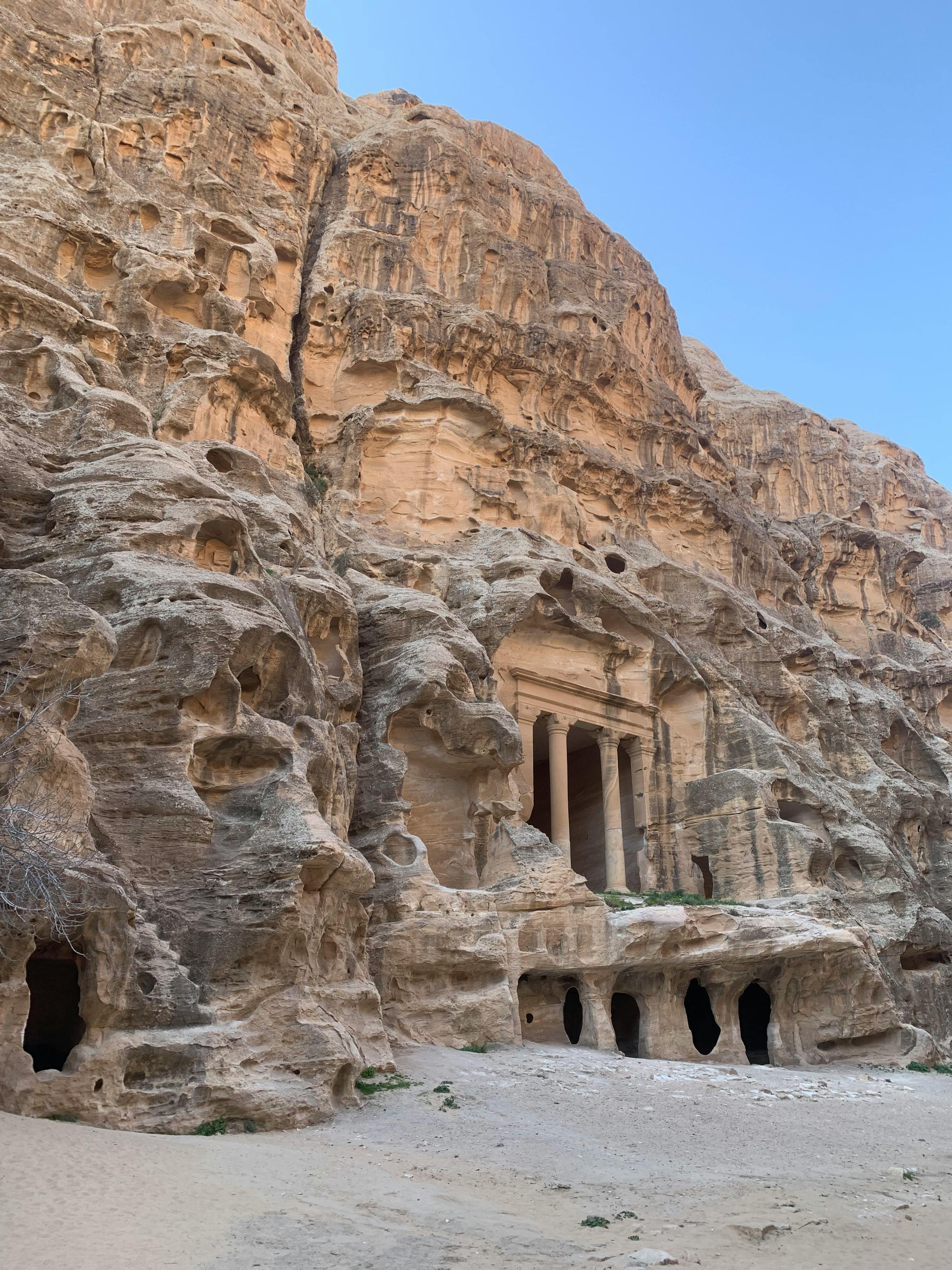
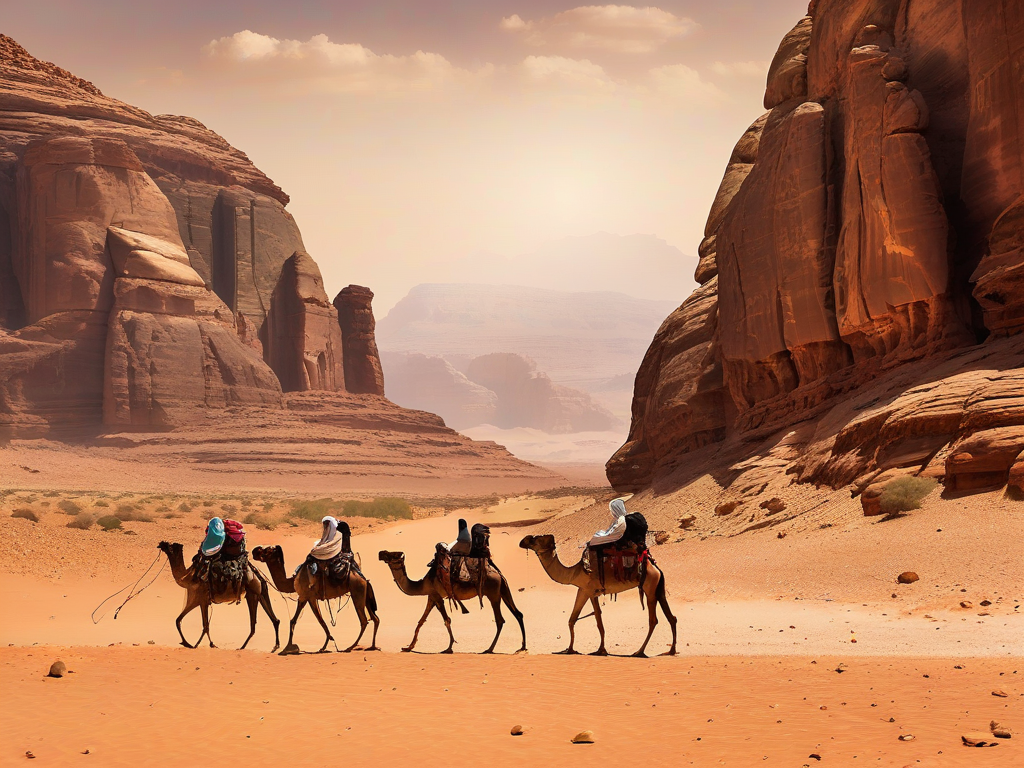
Nestled in the heart of Jordan, Petra and Wadi Rum stand as extraordinary symbols of human ingenuity, ancient culture, and breathtaking landscapes. These destinations offer more than just visual marvels; they embody stories of civilizations that once thrived and continue to inspire travelers seeking meaningful, bucket-list experiences. Petra, famously known as the Rose City, captivates visitors with its intricate rock-cut architecture and archaeological significance, making it a UNESCO World Heritage site. Meanwhile, Wadi Rum, often called the Valley of the Moon, enchants adventurers with its vast, surreal desert vistas and rich Bedouin heritage. Together, they form a compelling tapestry of history, culture, and natural beauty that beckons explorers from around the world. Whether you’re passionate about uncovering ancient secrets, immersing yourself in local traditions, or seeking once-in-a-lifetime adventures, this region promises unforgettable moments. In this guide, you’ll discover how to find the best travel deals, explore the most iconic sights, and plan your perfect cultural and bucket-list trip to Petra and Wadi Rum.
Music can make every journey unforgettable! Whether you’re taking a road trip, exploring a new city, or relaxing on the beach, Amazon Music Unlimited gives you access to millions of songs, curated playlists, and offline listening. Try it free for 30 days and take your perfect soundtrack anywhere!
The Treasury
One of the most iconic symbols of Petra, the Treasury, or Al-Khazneh, is a breathtaking facade carved directly into the rose-red cliffs of the ancient city. Located at the entrance of the Siq, this magnificent structure stands approximately 40 meters high and 25 meters wide, captivating visitors with its intricate details and mysterious aura. The Treasury’s elaborate façade features a blend of Hellenistic, Egyptian, and Nabataean architectural elements, showcasing the skill and artistry of the ancient Nabataean civilization.
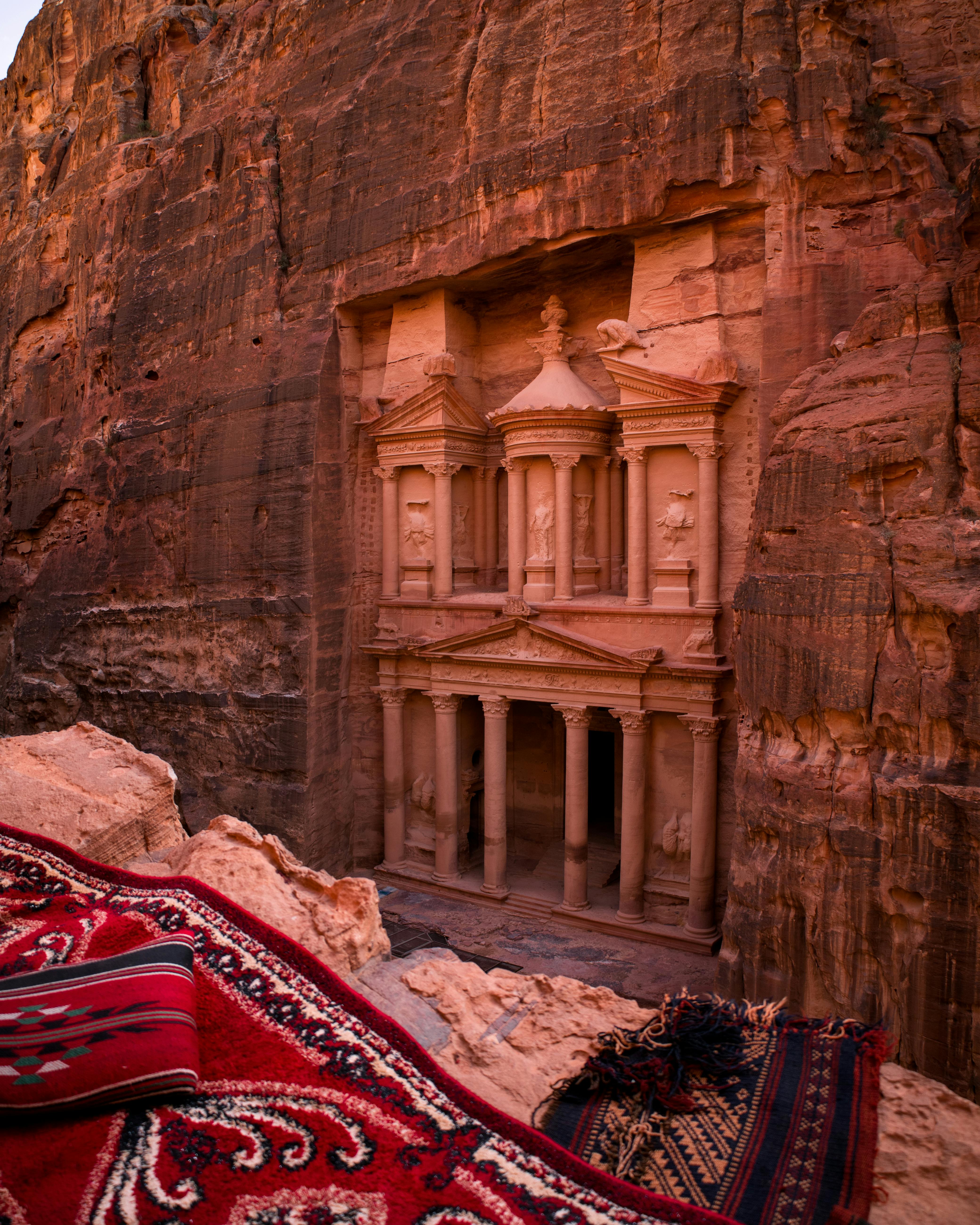
The origins of the Treasury remain shrouded in mystery, fueling countless legends, including the famous story that it once housed treasure guarded by a curse. In reality, it was likely a mausoleum or a tomb for Nabataean royalty, dating back to the 1st century AD. Its stunning façade is adorned with detailed carvings, columns, and sculptures that reflect a sophisticated blend of cultural influences. Visitors are often awestruck by the sheer scale and craftsmanship of this monument, which appears almost as a natural extension of the cliff face.
For travelers, the Treasury is a must-see for its historical significance and visual grandeur. Reaching it involves walking through the narrow, winding Siq—a natural canyon that enhances the sense of discovery. As you approach, the structure gradually reveals itself, culminating in a jaw-dropping view that is perfect for photography and reflection. The site is accessible year-round, with guided tours available to enrich your understanding of its history and legends. Early morning visits offer the best lighting and fewer crowds, making it ideal for capturing the monument’s majestic beauty.
Practical Tips for Visitors
- Wear comfortable walking shoes due to uneven terrain.
- Bring water, especially during hot months.
- Consider hiring a local guide to explore the history and stories behind the structure.
- Visit early or late in the day for the best lighting and fewer visitors.
The Treasury is not just a visual marvel but a window into the rich cultural history of Petra. Its enduring mystery and stunning architecture make it a bucket-list highlight for any traveler seeking to immerse themselves in one of the world’s most extraordinary archaeological sites.
The Siq
The Siq is the dramatic, winding canyon that serves as the grand entrance to Petra, stretching approximately 1.2 kilometers. As you step into this natural geological masterpiece, towering cliffs on either side rise up to 80 meters, creating a narrow passage that heightens anticipation and awe. The Siq’s walls are composed of smooth, reddish sandstone, shaped over millennia by natural forces, and are adorned with subtle carvings and ancient water channels. Walking through the Siq is like entering a portal to another world, where history and nature intertwine seamlessly.
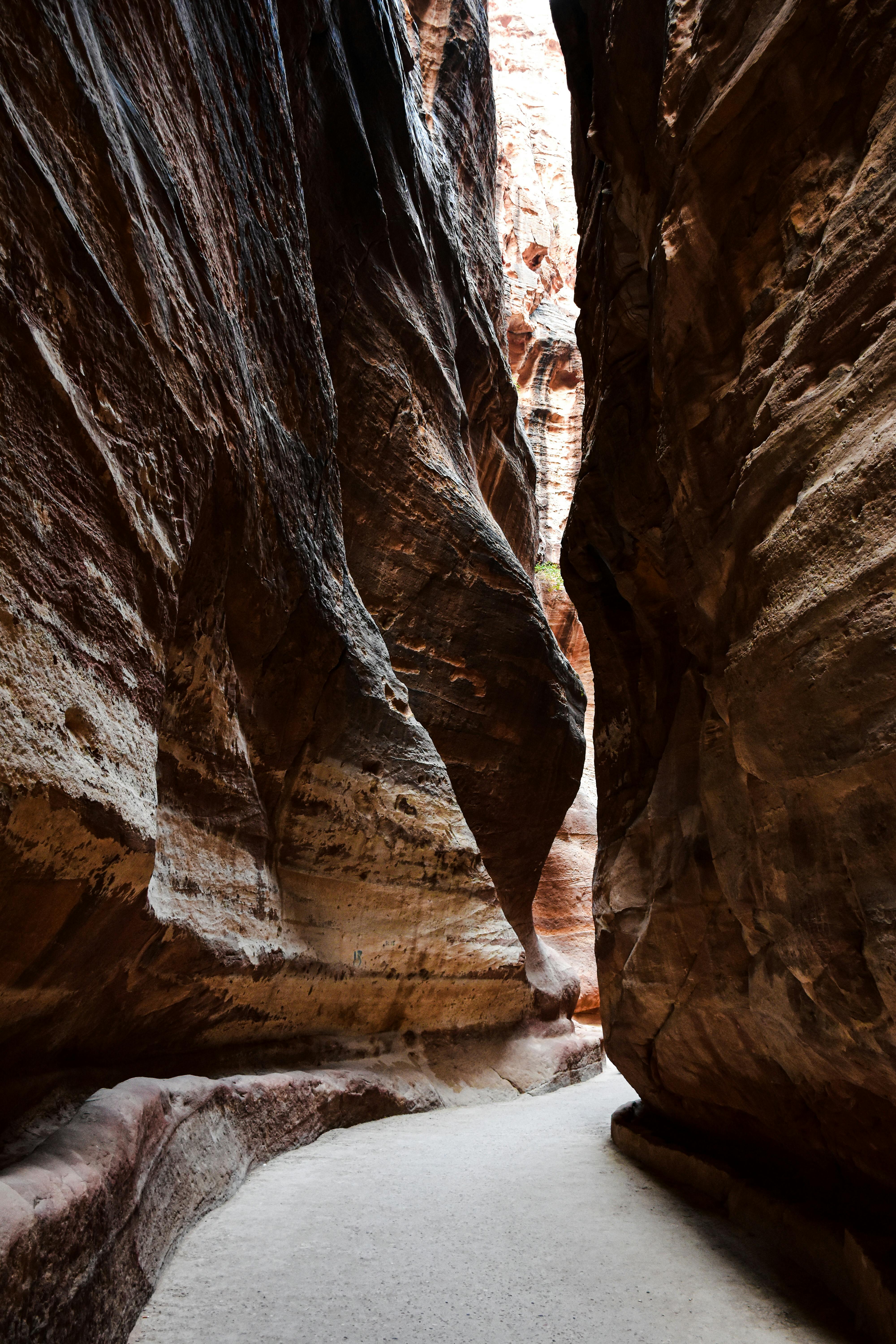
This natural corridor is not only a physical pathway but also a cultural journey. It was strategically designed by the Nabataeans to protect and conceal the city’s treasures, making it a vital part of Petra’s defenses. Along the way, visitors can observe carved niches, inscriptions, and ancient water channels that reveal the ingenuity of the Nabataean people in managing water resources in an arid environment. The play of light and shadow within the Siq creates a mystical atmosphere, especially during sunrise or sunset, when the canyon is bathed in a warm glow.
Walking through the Siq offers a sense of adventure and discovery. As you approach the end, the narrow passage suddenly opens up to reveal the Treasury, a moment that often leaves visitors breathless. The entire route is accessible to most visitors, with well-maintained pathways and informative signs. Guided tours can provide deeper insights into the history and engineering marvels of the Siq, making the experience both educational and awe-inspiring.
Practical Tips for Visitors
- Wear sturdy shoes suitable for uneven surfaces.
- Carry water and sun protection, especially during summer.
- Visit early morning or late afternoon for softer lighting and fewer crowds.
- Take your time to appreciate the carvings and natural formations.
The Siq is more than just a passage; it is a journey through history, geology, and mystery. Its breathtaking beauty and strategic significance make it an essential part of the Petra experience, offering visitors a profound connection to the ancient Nabataean civilization and the natural world.
Khazneh
Arguably the most famous structure within Petra, the Khazneh, or the Treasury, is an architectural masterpiece carved directly into the sandstone cliffs. Standing at nearly 40 meters tall, this grand façade embodies the grandeur and sophistication of Nabataean artistry. Its intricate carvings, towering columns, and ornate pediments make it a symbol of Petra’s historical and cultural significance. The Khazneh’s position at the end of the Siq amplifies its dramatic impact, serving as a visual reward for travelers after their journey through the canyon.
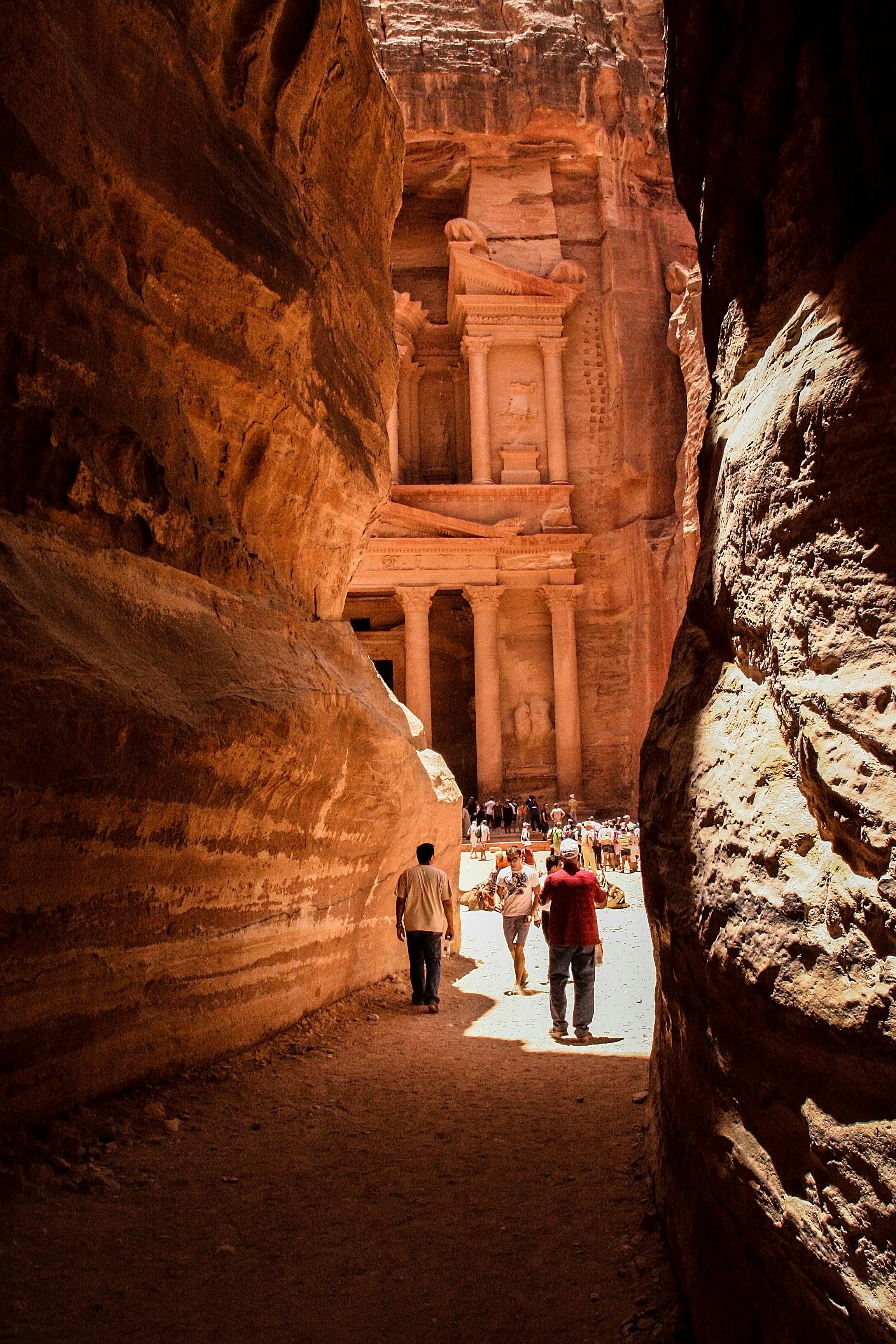
The name Khazneh translates to “Treasure,” and legends have long associated it with hidden riches and mystical powers. Although it was likely a mausoleum or a tomb for Nabataean royalty, its purpose remains a subject of debate among historians. The façade is a stunning example of blending Hellenistic and Nabataean architectural styles, featuring elaborate Corinthian columns, friezes, and mythological motifs. Its façade’s symmetry and detailed carvings highlight the advanced craftsmanship of the ancient Nabataeans, who transformed this natural rock into a monument of lasting beauty.
Visiting the Khazneh is an essential highlight of any Petra trip. The structure’s imposing presence and detailed artistry evoke a sense of wonder and curiosity. Many visitors choose to explore the site with a guide to uncover the stories and symbolism embedded in its carvings. The best times to visit are early morning or late afternoon, when the lighting accentuates the façade’s textures and colors. Photography enthusiasts will find the site especially captivating during these times, with the soft light creating dramatic shadows and highlights.
Practical Tips for Visitors
- Bring a camera with a wide-angle lens to capture its full grandeur.
- Wear comfortable shoes for walking around the site.
- Consider a guided tour for historical context and legends.
- Visit during cooler parts of the day to avoid heat exhaustion.
The Khazneh is more than a monument; it is a symbol of Petra’s ingenuity, artistry, and cultural legacy. Its majestic façade continues to inspire awe and curiosity, making it a must-see destination for anyone seeking to experience the magic of this ancient city’s most iconic landmark.
The Monastery
Perched majestically atop a high hill within the ancient city of Petra, The Monastery, or Ad Deir, stands as one of the most iconic and awe-inspiring monuments in Jordan. This colossal structure, carved directly into the rose-red sandstone cliffs, dates back to the 3rd century BC and was originally a Nabatean religious site. Its grandeur and historical significance make it a must-visit for travelers seeking to immerse themselves in Petra’s rich cultural tapestry. Approaching The Monastery offers a journey through history, adventure, and breathtaking scenery, making it a highlight of any Petra exploration.
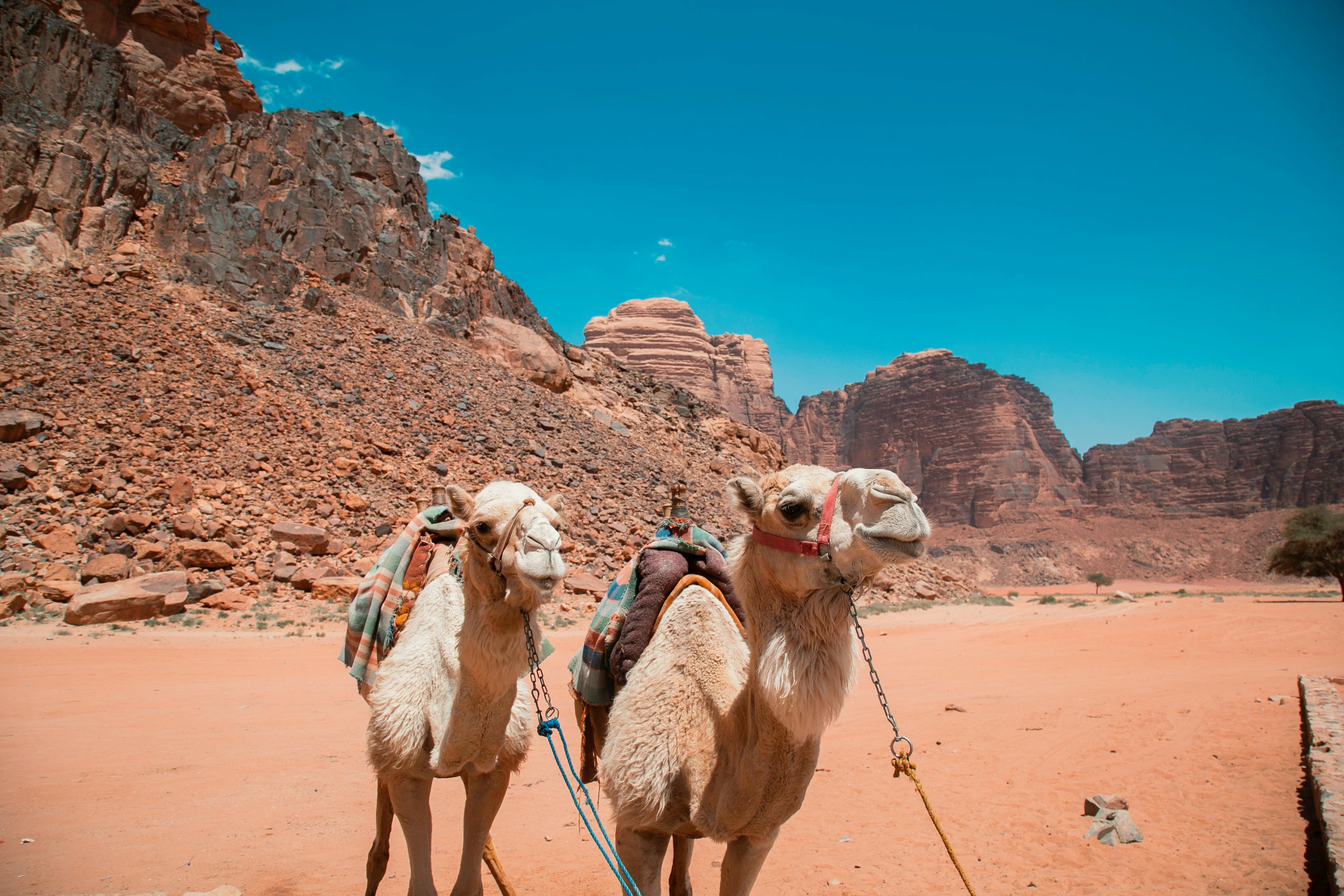
To reach The Monastery, visitors typically embark on a scenic trek that spans approximately 1.2 kilometers from the main Petra basin, with an elevation gain of around 850 steps. The path winds through narrow, winding canyons, lush greenery, and rocky outcrops, offering a glimpse into the natural beauty that surrounds Petra. The climb can be challenging, especially in the heat, so it is advisable to wear sturdy footwear, carry plenty of water, and pace oneself. Alternatively, for those less inclined to hike, local horse or donkey rides are available, providing a more relaxed ascent.
Features and Significance
The Monastery’s façade measures an impressive 50 meters wide and 45 meters high, with a central doorway flanked by two massive columns. Inside, the space was likely used for religious ceremonies, and although the interior is mostly empty now, the sheer scale of the carved rock remains astonishing. Its remote location and imposing size symbolize the spiritual and cultural importance of Petra during its peak as a trading hub.
Visiting The Monastery offers more than just a visual feast; it provides insight into the Nabatean civilization’s architectural ingenuity and religious practices. The site’s remote location and fewer visitors compared to the Treasury allow for a more contemplative experience. Sunset visits are particularly popular, as the setting sun bathes the monument in warm hues, creating a truly magical atmosphere that captures the essence of Petra’s mystique.
Practical Tips for Visitors
- Start early in the morning or late in the afternoon to avoid the midday heat.
- Wear comfortable hiking shoes and bring plenty of water.
- Consider hiring a local guide for historical insights and navigation tips.
- Be prepared for a physically demanding climb, especially in hot weather.
- Capture the moment at sunset for unforgettable photographs.
Whether you’re a history enthusiast, an adventure seeker, or simply looking to witness one of the most breathtaking sights in Jordan, The Monastery promises a rewarding experience that combines culture, history, and natural beauty. It embodies the spirit of Petra’s ancient past and remains a bucket-list destination for travelers worldwide.
Lawrence’s Spring
Nestled within the rugged landscape of Wadi Rum, Lawrence’s Spring is a historic and picturesque oasis that holds a special place in the story of T.E. Lawrence, famously known as Lawrence of Arabia. This spring, located near the foot of the Rum Mountains, served as a vital water source for Bedouin tribes and travelers passing through this arid desert. Its significance extends beyond its practical use; it symbolizes resilience and the enduring spirit of the desert community. Visiting Lawrence’s Spring offers a unique blend of history, natural beauty, and cultural insight, making it a compelling stop on any Wadi Rum adventure.
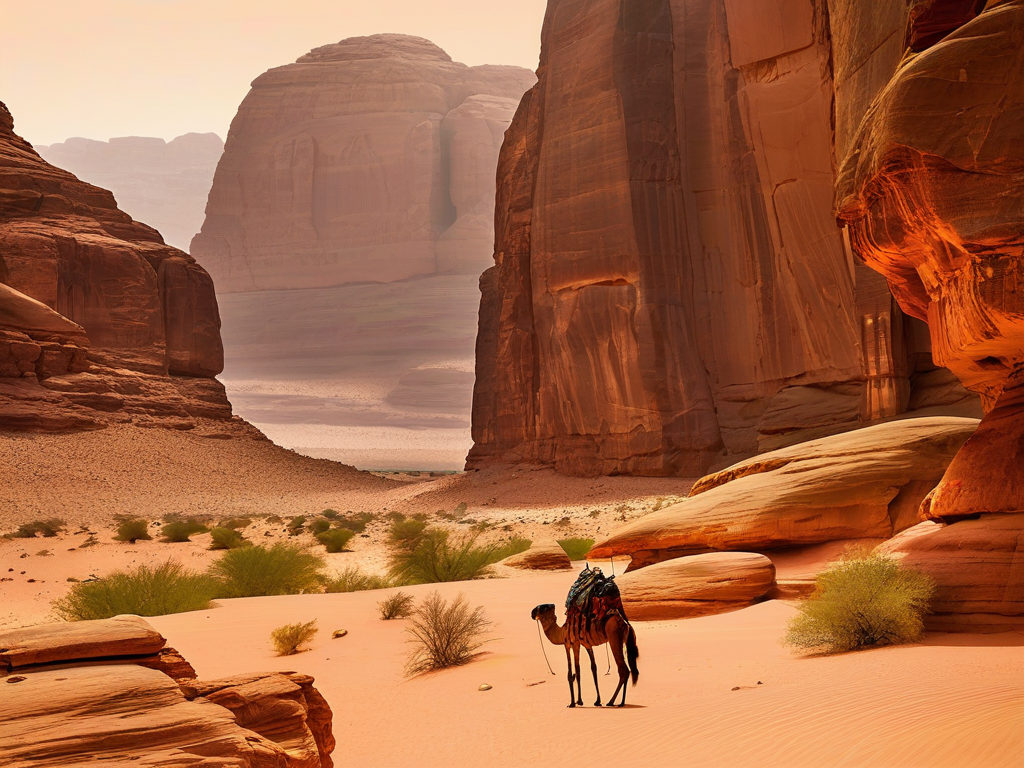
The spring is set amidst stunning desert scenery, with towering red sandstone formations and expansive vistas that stretch as far as the eye can see. It is accessible via a short trek from the main Wadi Rum visitor center or through guided jeep tours that explore the desert’s hidden gems. The area surrounding the spring is often dotted with Bedouin tents and traditional structures, providing visitors with a glimpse into the nomadic lifestyle that has persisted here for centuries.
Historical and Cultural Significance
Lawrence’s Spring gained fame during the Arab Revolt of 1917-1918, when Lawrence and his companions relied on this water source during their campaigns against Ottoman forces. The spring’s association with Lawrence has cemented its place in history, and many visitors come here to connect with the legendary figure’s story. Today, it remains a symbol of survival in the desert, where water is scarce but vital.
Beyond its historical importance, the spring is a peaceful retreat amid the stark beauty of Wadi Rum. Visitors can relax under shade trees, listen to local stories, or simply enjoy the serenity of the desert landscape. The site also serves as an excellent spot for photography, capturing the contrast between the lush spring and the surrounding arid wilderness.
Practical Tips for Visitors
- Visit early in the morning or late afternoon for cooler temperatures and better lighting.
- Bring water, sunscreen, and a hat to shield against the sun.
- Opt for a guided tour to learn about the spring’s history and local stories.
- Respect the natural environment and local Bedouin customs.
- Combine your visit with a tour of nearby rock formations and desert landscapes for a full Wadi Rum experience.
Lawrence’s Spring offers more than just a water source; it provides a tangible connection to the history of Wadi Rum and the legendary figure of Lawrence. Its scenic setting, cultural significance, and tranquil ambiance make it a bucket-list stop for travelers eager to explore the legendary desert of Jordan with a sense of adventure and discovery.
Best Time to Visit Petra & Wadi Rum
Understanding the Climate and Weather
Jordan’s climate plays a crucial role in planning your trip to Petra and Wadi Rum. Summers, from June to September, are extremely hot, with daytime temperatures often soaring above 35°C (95°F). These conditions can make exploring challenging, especially during midday. Conversely, winters, from December to February, are cooler, with daytime temperatures averaging 10-15°C (50-59°F). Nighttime temperatures can drop below freezing, particularly in Wadi Rum, which is part of the desert landscape.
Spring (March to May) and autumn (October to November) offer the most favorable weather. During these months, temperatures are comfortable, usually between 15-25°C (59-77°F), making outdoor activities and sightseeing more enjoyable. Additionally, these seasons bring clear skies and minimal rain, ideal for capturing the stunning scenery and engaging in cultural experiences.
Peak Tourist Seasons and Off-Peak Benefits
Peak tourist season coincides with the spring and autumn months, especially around Easter and Thanksgiving holidays. During this time, sites are bustling with visitors, which can enhance the lively atmosphere but also means crowded attractions and higher prices for accommodations and tours.
On the other hand, visiting during the off-peak months—winter and the hot summer months—has distinct advantages. In winter, fewer tourists mean more intimate experiences, better chances for personalized guided tours, and potentially lower costs. Summer, despite the heat, offers unique opportunities such as stargazing in Wadi Rum and less crowded archaeological sites.
Practical Tips for Travelers
- Plan your trip during spring or autumn for optimal weather and cultural immersion.
- If visiting in summer, schedule outdoor activities early morning or late afternoon to avoid the heat.
- Winter visits require warm clothing, especially for Wadi Rum’s desert nights.
- Consider off-peak travel for a more relaxed, authentic experience at a lower cost.
Summary of Pros and Cons
| Season | Pros | Cons |
|---|---|---|
| Spring & Autumn | Comfortable weather, fewer rain days, ideal for cultural exploration | Higher prices, more crowds during holidays |
| Summer | Less crowded, unique desert experiences like stargazing | Extreme heat, limited outdoor activities midday |
| Winter | Fewer tourists, better prices, intimate cultural encounters | Chilly nights, some sites may have reduced hours |
Ultimately, the best time to visit Petra and Wadi Rum depends on your preferences for weather, crowd levels, and cultural engagement. Planning during spring or autumn offers the ideal balance for most travelers seeking a rich cultural and natural experience.
Getting to Petra & Wadi Rum: Your Gateway to Jordan’s Rich Heritage
Embarking on a journey to Petra and Wadi Rum offers travelers an unforgettable immersion into Jordan’s ancient history, stunning landscapes, and vibrant culture. Located in the southern part of Jordan, these iconic destinations are accessible through various modes of transportation, each offering a unique travel experience. Whether you prefer flying, train journeys, buses, or driving yourself, planning your route carefully ensures a smooth and enriching adventure.
Flight Options to Jordan
The most common way to reach Petra and Wadi Rum is by flying into Jordan. Queen Alia International Airport (AMM) in Amman serves as the primary gateway, with numerous international airlines operating flights from Europe, the Middle East, and beyond. From the airport, you can rent a car or take a bus to your destination. Direct flights from major European cities like London, Berlin, and Paris make access relatively straightforward, especially during peak tourist seasons.
Train and Bus Travel
Although Jordan’s train network is limited, buses are a reliable and affordable option. The Jordanian bus system connects Amman to Aqaba, which is about a 3-hour drive from Petra. From Aqaba, local taxis or organized tours can take you directly to Petra or Wadi Rum. Bus services run regularly, and buses are comfortable, making them a practical choice for budget travelers.
Search for Car Hire
Driving and Car Rentals
For travelers seeking flexibility and a deeper cultural experience, renting a car is highly recommended. The roads in Jordan are well-maintained, and driving allows you to explore at your own pace, including off-the-beaten-path sites. Major car rental companies are available at Amman Airport and in the city, offering a range of vehicles suitable for navigating Jordan’s diverse terrain.
Travel Tips: Always carry an international driving permit, familiarize yourself with local traffic laws, and plan your routes ahead of time. Consider hiring a local driver or guide for a richer understanding of Jordan’s history and culture along the way.
Important Travel Information
When planning your trip, remember that Jordan is a country rich in history and cultural traditions. Respect local customs, dress modestly, and be prepared for warm desert climates, especially in Wadi Rum. Traveling during spring or fall offers the most pleasant weather for exploring these remarkable UNESCO World Heritage sites. With multiple transportation options available, your journey to Petra and Wadi Rum can be as adventurous and meaningful as the destinations themselves.
Best Places to Stay in Petra & Wadi Rum: Accommodations for Every Budget
When visiting Petra and Wadi Rum, your choice of accommodation can significantly enhance your experience, immersing you in Jordan’s rich culture and awe-inspiring landscapes. Whether you seek luxurious comfort, mid-range affordability, or budget-friendly options, each stay offers a unique way to connect with the history and natural beauty of these iconic destinations.
Luxury Options for an Unforgettable Experience
For travelers seeking a once-in-a-lifetime experience, luxury accommodations combine exquisite service with authentic cultural touches. In Petra, the Mövenpick Resort Petra stands out as a premier choice. Located just a short walk from the ancient city, this hotel offers elegant rooms, a stunning infinity pool, and fine dining options. Its blend of modern comfort and traditional Middle Eastern design makes it ideal for those wanting to indulge after exploring historical sites.
Meanwhile, in Wadi Rum, the Sun City Camp provides a luxurious desert experience. This boutique camp features traditional Bedouin-style tents with plush interiors, private terraces, and personalized service. Guests can enjoy guided jeep tours, stargazing, and authentic Bedouin dinners, making it perfect for culture enthusiasts and adventure seekers alike.
Mid-Range Hotels for Comfort and Convenience
If you prefer a balance between comfort and affordability, several mid-range hotels cater to travelers eager to explore Jordan’s cultural treasures. In Petra, the Petra Panorama Hotel offers spacious rooms with panoramic views of the surrounding mountains. Its rooftop terrace is perfect for watching the sunset after a day of exploration, and the hotel’s proximity to the entrance makes early morning visits convenient.
In Wadi Rum, the Wadi Rum Star Service Camp provides comfortable accommodations with authentic Bedouin hospitality. The camp offers clean, well-maintained tents, delicious traditional meals, and organized tours that delve into the desert’s history and geology. This option is ideal for those wanting a genuine desert experience without sacrificing comfort.
Budget-Friendly Stays for Adventurers and Backpackers
Travelers on a tighter budget can still enjoy the magic of Petra and Wadi Rum without compromising on experience. In Petra, the Petra Guest House offers simple yet comfortable rooms, friendly service, and easy access to the city’s archaeological sites. Its communal atmosphere fosters connections with fellow travelers, enriching your cultural journey.
In Wadi Rum, the Rum Wonders Camp provides affordable tents with basic amenities, allowing visitors to immerse themselves in the desert’s silence and starry skies. Many budget options also include organized jeep tours and meals, ensuring you get the most out of your visit without overspending.
Summary Table of Accommodation Options
| Budget Level | Recommended Accommodation | Highlights |
|---|---|---|
| Luxury | Mövenpick Resort Petra | Elegant rooms, infinity pool, close to historic sites |
| Luxury | Sun City Camp | Luxury desert tents, personalized service, stargazing |
| Mid-Range | Petra Panorama Hotel | Comfortable rooms, panoramic views, central location |
| Mid-Range | Wadi Rum Star Service Camp | Authentic tents, guided tours, traditional meals |
| Budget | Petra Guest House | Affordable, friendly, close to archaeological sites |
| Budget | Rum Wonders Camp | Basic tents, organized activities, desert immersion |
Choosing the right accommodation allows you to deepen your connection with Jordan’s cultural, historical, and natural landscape. Whether you desire luxury, comfort, or adventure on a budget, each option offers a unique way to make your trip to Petra and Wadi Rum truly unforgettable.
Essential Travel Products for Exploring Petra & Wadi Rum
1. Lightweight, Durable Hiking Shoes
When venturing into the rugged terrains of Petra and Wadi Rum, a reliable pair of hiking shoes is indispensable. Opt for lightweight, waterproof hiking shoes with excellent grip and ankle support, such as the Salomon X Ultra 3 GTX. These shoes are designed to handle uneven surfaces, rocky paths, and sudden weather changes, ensuring comfort and safety during long walks or climbs. Their breathable mesh lining keeps your feet cool, while the Gore-Tex membrane provides waterproof protection, essential in Wadi Rum’s occasional rain or dusty conditions. Available at outdoor gear retailers like REI or Amazon, these shoes are a smart investment for any traveler aiming to explore Jordan’s iconic landscapes thoroughly.
2. Portable Solar Charger
Powering your devices while immersed in the wilderness of Petra and Wadi Rum can be challenging. A portable solar charger, such as the Anker PowerPort Solar Lite, offers a practical solution. Compact and lightweight, this device can charge smartphones, cameras, and GPS units directly from sunlight. Its high-efficiency solar panels and dual USB ports ensure quick charging, making it ideal for remote excursions where electricity is scarce. Plus, its rugged design withstands dust and minor impacts, perfect for desert adventures. You can purchase this product on Amazon or outdoor specialty stores, ensuring you stay connected and capture every moment of your journey without worry about battery life.
Find highly rated travel essentials on Amazon
Guidebooks for Culture, History & Bucket-List Trips in Petra & Wadi Rum
1. “Jordan Travel Guide: Petra, Wadi Rum & Beyond” (Kindle Unlimited & Audible)
This comprehensive guidebook offers in-depth insights into Jordan’s most famous sites, including Petra’s archaeological marvels and Wadi Rum’s breathtaking desert landscapes. It provides historical context, cultural anecdotes, and practical travel tips, making it perfect for travelers eager to understand the significance of each location. The book also highlights hidden gems, local customs, and recommended itineraries, helping visitors craft a meaningful and immersive experience. Available on Kindle Unlimited and Audible, it allows travelers to learn on the go, whether during commutes or relaxing evenings.
2. “The Ultimate Bucket List Travel Guide to Petra & Wadi Rum” (Kindle Unlimited & Audible)
This lively guidebook emphasizes must-see attractions and unique experiences that make Petra and Wadi Rum bucket-list destinations. It features vivid descriptions, stunning photographs, and practical advice on best times to visit, local guides, and cultural etiquette. The narrative encourages travelers to go beyond the typical tourist spots, exploring lesser-known canyons and desert camps. Its engaging storytelling style on Kindle Unlimited and Audible helps inspire travelers to fully embrace the adventure and cultural richness of Jordan’s iconic landscapes.
3. “Cultural & Historical Journeys in Jordan: Petra & Wadi Rum” (Kindle Unlimited & Audible)
This book delves into the deep history and cultural significance of Jordan’s most celebrated sites. It explores the ancient Nabatean civilization behind Petra, the natural formations that define Wadi Rum, and the Bedouin traditions still alive today. Richly detailed, it provides context that enhances every visit, transforming sightseeing into a profound cultural experience. Available on Kindle Unlimited and Audible, it’s perfect for history buffs and curious travelers seeking a deeper understanding of the region’s heritage.
These guidebooks, accessible on Kindle Unlimited and Audible, not only enrich your knowledge but also serve as invaluable companions that transform a trip into a meaningful exploration of Jordan’s cultural and historical tapestry. Whether you’re seeking detailed itineraries or inspiring stories, these resources ensure your journey to Petra and Wadi Rum becomes truly unforgettable.
Your passport to travel knowledge – free Kindle Unlimited trial available!
Frequently Asked Questions: Exploring Petra & Wadi Rum – Your Ultimate Guide to Culture, History & Bucket-List Adventures
What makes Petra a must-visit destination for history and culture enthusiasts?
Petra, often called the “Rose City,” is a UNESCO World Heritage site that embodies ancient ingenuity and cultural richness. Carved into vibrant red sandstone cliffs, it was once a thriving trading hub of the Nabataean Kingdom. Visitors are captivated by its architectural marvels, including the iconic Treasury, Al-Khazneh, and the elaborate tombs and temples scattered across the site. Beyond its impressive facades, Petra offers a glimpse into a civilization that mastered water conservation, trade, and artistry over 2,000 years ago. Exploring Petra allows travelers to connect deeply with history, uncovering stories of resilience, commerce, and cultural exchange that shaped the region.
How can I best experience the breathtaking landscape of Wadi Rum?
Wadi Rum, also known as the Valley of the Moon, is renowned for its stunning desert scenery, towering sandstone cliffs, and vast open skies. To truly immerse yourself in its natural beauty, consider taking a guided 4×4 tour or a camel trek that explores its hidden canyons, rock formations, and ancient petroglyphs. For a more adventurous experience, camping under the stars in a traditional Bedouin-style tent offers an authentic connection to local culture and the desert’s serenity. Visitors often find that early mornings and sunset hours provide the most dramatic lighting, making Wadi Rum a photographer’s paradise. Remember, respecting the environment and local traditions enhances your experience and preserves this unique landscape for future travelers.
What are the best times of year to visit Petra and Wadi Rum?
The optimal travel seasons are during spring (March to May) and autumn (September to November). During these periods, temperatures are mild, typically between 15°C and 25°C, making outdoor exploration comfortable. Summers (June to August) can be extremely hot, often exceeding 35°C, which may limit daytime activities. Conversely, winter months (December to February) tend to be cooler, especially at night, but occasional rain can affect outdoor plans. Planning your trip during the shoulder seasons not only ensures pleasant weather but also allows for less crowded sites, enriching your cultural and natural experiences. Always check local weather forecasts and consider guided tours to maximize safety and enjoyment.
How can I find the best travel deals for visiting Petra and Wadi Rum?
To secure the best deals, start by comparing package tours offered by reputable travel agencies that include transportation, guided tours, and accommodations. Booking well in advance often yields discounts, especially during shoulder seasons. Consider traveling during off-peak times, when prices tend to be lower and attractions less crowded. Additionally, look for bundled deals that combine visits to Petra, Wadi Rum, and nearby attractions like the Dead Sea. Many airlines and hotels offer special promotions; subscribing to newsletters can keep you informed about discounts. Finally, staying in local guesthouses or Bedouin camps can provide authentic experiences at a fraction of hotel prices, while also supporting the local economy.
What cultural etiquette should travelers observe in Petra and Wadi Rum?
Respect for local customs enhances your travel experience and fosters positive interactions. When visiting Petra and Wadi Rum, dress modestly, covering shoulders and knees, especially when entering religious sites or local villages. Always ask permission before taking photographs of people or their property. Be mindful of the environment by not littering and staying on designated paths to protect fragile archaeological sites and natural landscapes. Engaging with Bedouin communities with genuine curiosity and appreciation for their traditions can lead to enriching exchanges. Remember, showing respect and sensitivity ensures your trip remains memorable and meaningful, while also honoring the cultural heritage of this extraordinary region.
From airline tickets to travel insurance, get cashback on it all!
Embark on an Unforgettable Journey to Petra and Wadi Rum
Exploring Petra and Wadi Rum offers an extraordinary blend of rich history, vibrant culture, and breathtaking landscapes. From the ancient city carved into rose-red cliffs to the surreal desert vistas, these destinations provide a once-in-a-lifetime experience for travelers seeking more than just sightseeing. Planning ahead to find the best travel deals, including visiting during shoulder seasons and engaging guided tours, can greatly enhance your cultural immersion. Additionally, understanding local customs and history enriches your journey, transforming it into a meaningful exploration of Jordan’s heritage.
Whether you’re drawn to the intricate architecture of Petra or the vast, star-studded deserts of Wadi Rum, these sites promise memories that will last a lifetime. Approaching your trip with curiosity and respect will deepen your connection to their timeless allure and ensure a truly authentic experience.
Start Planning Your Adventure Today
Now is the perfect time to turn your travel dreams into reality. Research current deals, select the best time to visit, and prepare to immerse yourself in Jordan’s captivating history and culture. Your bucket-list journey awaits—embrace the adventure and create stories to cherish forever.