Discover Iceland’s Majestic Landscapes and Thrilling Adventures
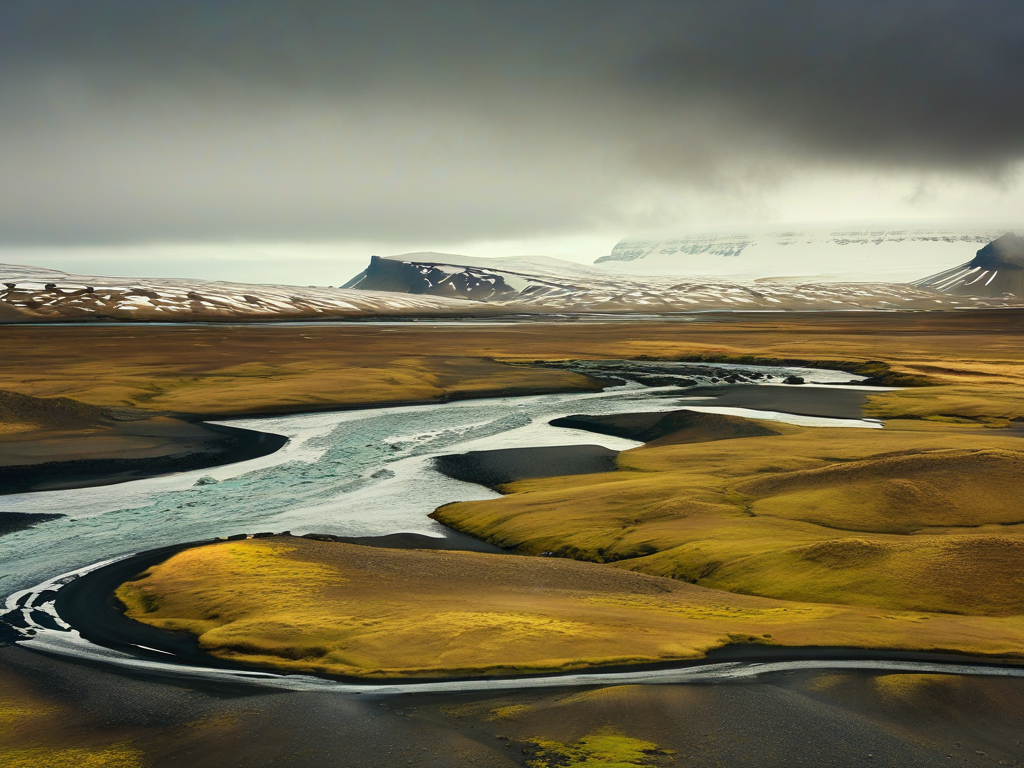
Embark on an unforgettable journey through Iceland, a land where raw nature and exhilarating adventures collide. Known as the land of fire and ice, this Nordic island offers an extraordinary blend of volcanic terrains, glacial wonders, and rugged coastlines. Its unique geological features create an otherworldly atmosphere that beckons explorers seeking both serenity and adrenaline-pumping experiences. From shimmering waterfalls and black sand beaches to geothermal hot springs and towering glaciers, Iceland’s diverse landscapes promise endless opportunities for adventure and discovery.
What makes this destination truly special is its untouched beauty and the sense of adventure it inspires. Whether you’re a seasoned thrill-seeker or a nature enthusiast, Iceland’s Ring Road provides a scenic route that unlocks some of the most breathtaking sights on Earth. In this guide, you’ll find expert tips on finding the best travel deals, uncover hidden gems along the route, and learn how to make the most of your adventure-filled trip. Prepare to immerse yourself in a land where nature’s power and serenity coexist in perfect harmony.
Upgrade your adventure with Amazon Music Unlimited – free for 30 days!
Gullfoss Waterfall
Gullfoss, meaning “Golden Falls” in Icelandic, is one of the most iconic and breathtaking waterfalls along the Ring Road. Situated in the Hvítá River canyon in southwest Iceland, this powerful cascade offers visitors an awe-inspiring display of nature’s raw force. The waterfall consists of two main tiers, with the upper falls plunging approximately 11 meters and the lower falls dropping about 21 meters into a rugged canyon. As the water rushes over the edge, it creates a spectacular mist that often forms rainbows on sunny days, adding to the magical atmosphere. Gullfoss is part of the Golden Circle route, making it easily accessible for travelers eager to experience Iceland’s natural wonders.
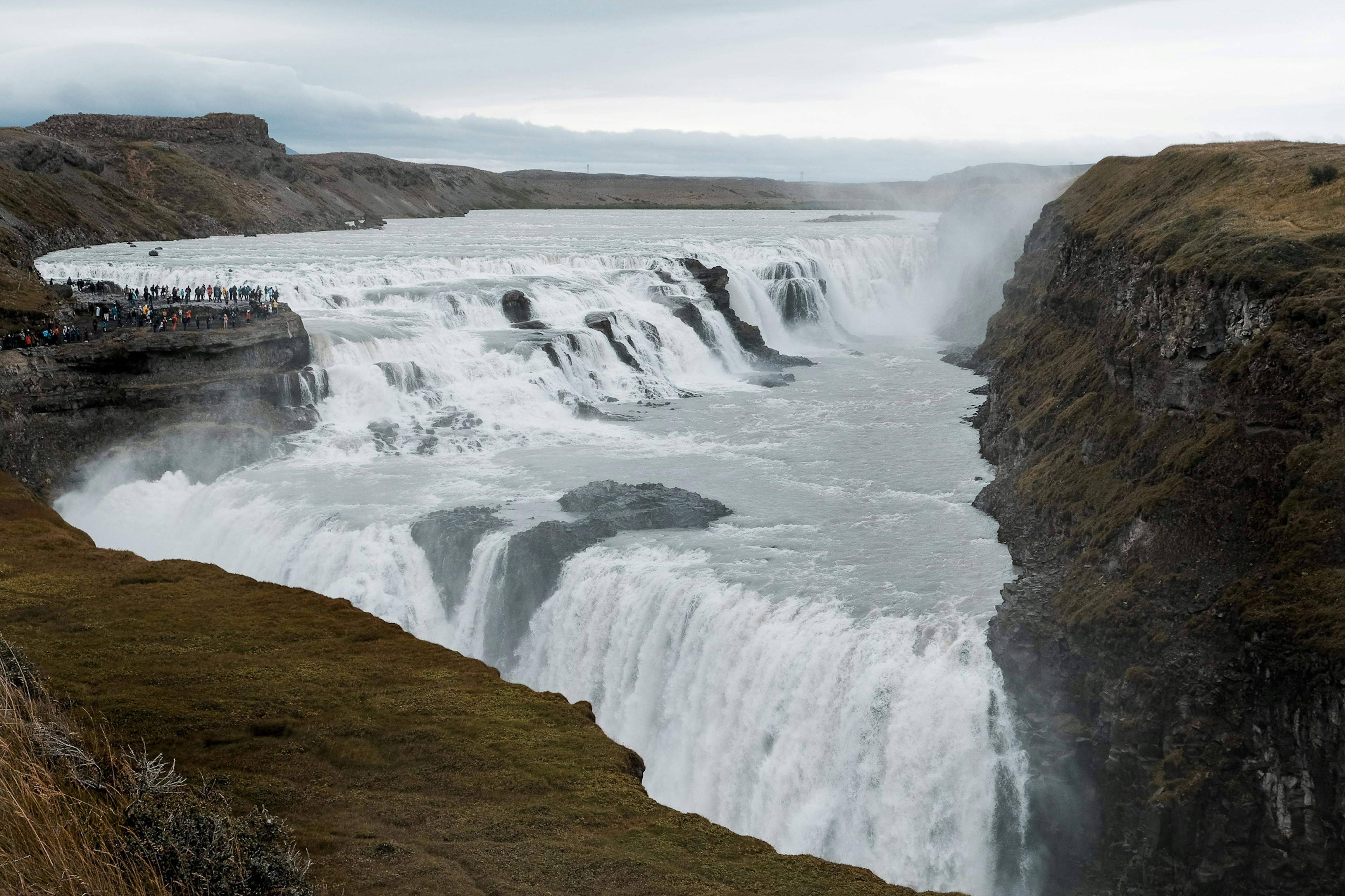
The main features of Gullfoss include its impressive width—around 32 meters—and the sheer power of the flowing water, which can reach speeds of up to 80,000 liters per second during peak flow. Visitors are captivated by the thunderous roar of the falls and the stunning landscape that surrounds them. The canyon walls, carved over thousands of years, reveal layers of volcanic rock, adding geological intrigue to the site. Gullfoss is worth visiting not only for its natural beauty but also for its historical significance; the waterfall has been a symbol of Iceland’s natural heritage and conservation efforts since the 20th century.
Practical information for visitors includes well-maintained pathways and viewing platforms that provide multiple vantage points. The site is accessible year-round, with the best visits during spring and summer when the surrounding flora is lush and the weather is milder. During winter, the falls are often framed by snow and ice, creating a different but equally enchanting scene. There is a visitor center nearby offering information, restrooms, and a small café. For those interested in photography, Gullfoss offers numerous opportunities to capture the dynamic interplay of water, light, and landscape. Remember to dress appropriately for changing weather, and consider bringing binoculars for a closer view of the falls and the surrounding wildlife. Gullfoss remains a must-see destination for adventure travelers eager to witness Iceland’s majestic power and natural beauty firsthand.
Geysir Geothermal Area
The Geysir Geothermal Area, located in the Haukadalur Valley in southwest Iceland, is a geothermal wonderland renowned worldwide for its erupting hot springs. This area has been active for thousands of years, and it is the birthplace of the word “geyser.” The main attraction here is the Strokkur geyser, which erupts approximately every 5 to 10 minutes, shooting water up to 30 meters into the air with impressive force. Surrounding Strokkur are bubbling mud pools, steaming vents, and other geysers that create a surreal landscape filled with vibrant mineral deposits and geothermal activity. The area offers a fascinating glimpse into Iceland’s volcanic nature, making it a highlight for travelers seeking both adventure and scientific marvels.
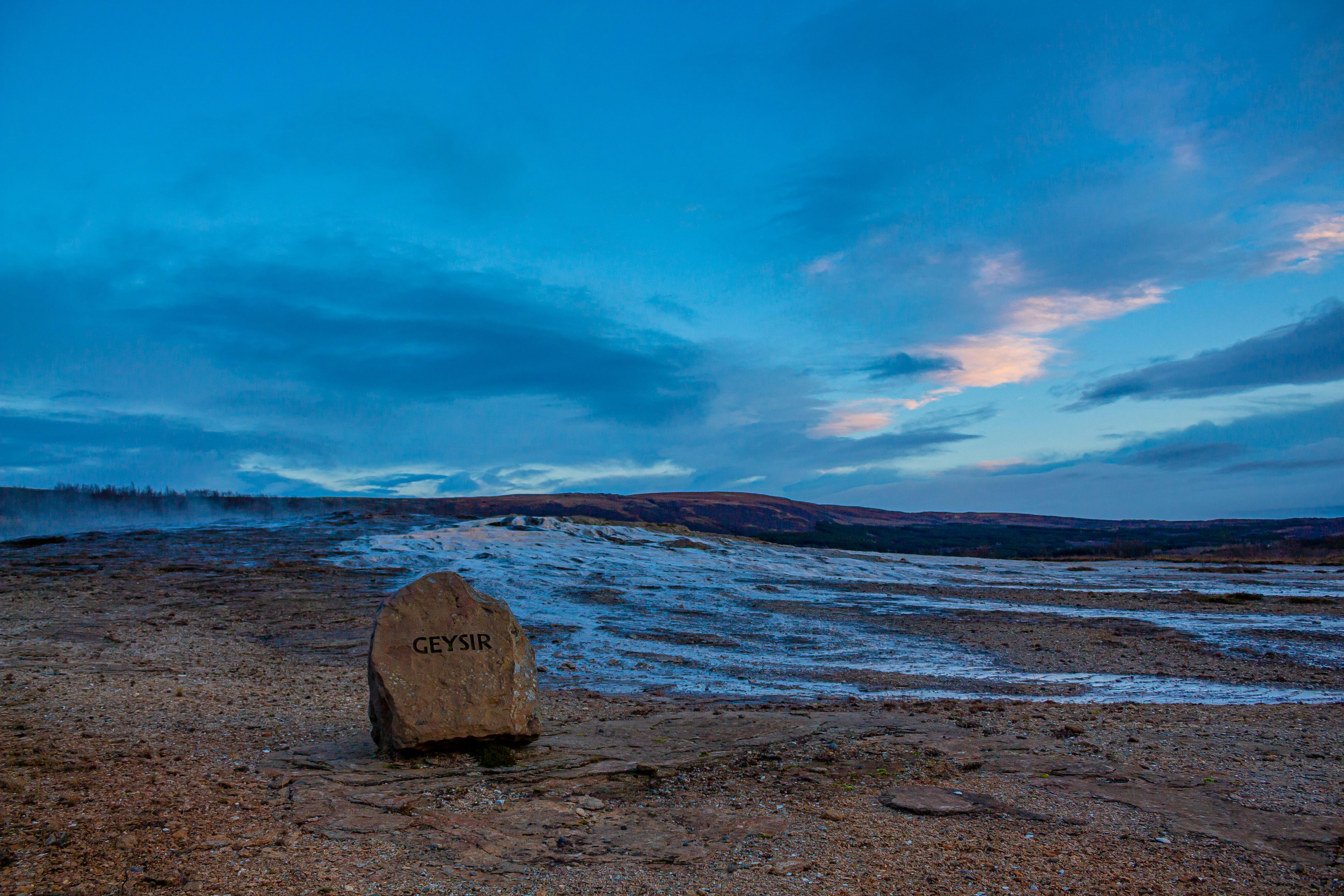
The Geysir area is located about 100 kilometers east of Reykjavik, making it easily accessible for day-trippers. It covers a relatively compact space, but within it lies a complex network of geothermal features that demonstrate the Earth’s internal heat. The most famous geyser, Strokkur, is reliable and predictable, making it an ideal spot for photography and awe-inspiring moments. Visitors can walk along well-maintained paths that wind through the geothermal field, ensuring safety while providing close-up views of the bubbling pools and erupting geysers. Besides its visual spectacle, the area offers insights into geothermal energy, a vital resource for Iceland’s sustainable energy solutions.
Practical tips include arriving early or late in the day to avoid crowds and to capture the best photos. The site is open year-round, but winter visits reveal icy landscapes that add a different dimension to the geothermal activity. Dress warmly, as the area can be quite chilly due to the steaming vents and wind. Informational signs explain the science behind the eruptions and geothermal phenomena, enriching the experience. Visiting Geysir not only satisfies curiosity about Earth’s geothermal processes but also highlights Iceland’s unique relationship with its volcanic landscape. It’s a must-see for those eager to witness nature’s fiery display and learn about sustainable geothermal energy.
Jökulsárlón Glacier Lagoon
Jökulsárlón Glacier Lagoon, situated in southeastern Iceland near Vatnajökull National Park, is a surreal and captivating glacial wonder. This expansive lagoon is filled with floating icebergs that have calved from the nearby Breiðamerkurjökull Glacier, a part of the larger Vatnajökull ice cap. The contrast between the crystal-clear ice, the dark volcanic sands, and the vibrant blue hues of the icebergs creates a breathtaking landscape that feels almost otherworldly. Visitors often describe Jökulsárlón as one of Iceland’s most photogenic spots, offering endless opportunities for stunning photographs and close encounters with nature’s icy artistry.
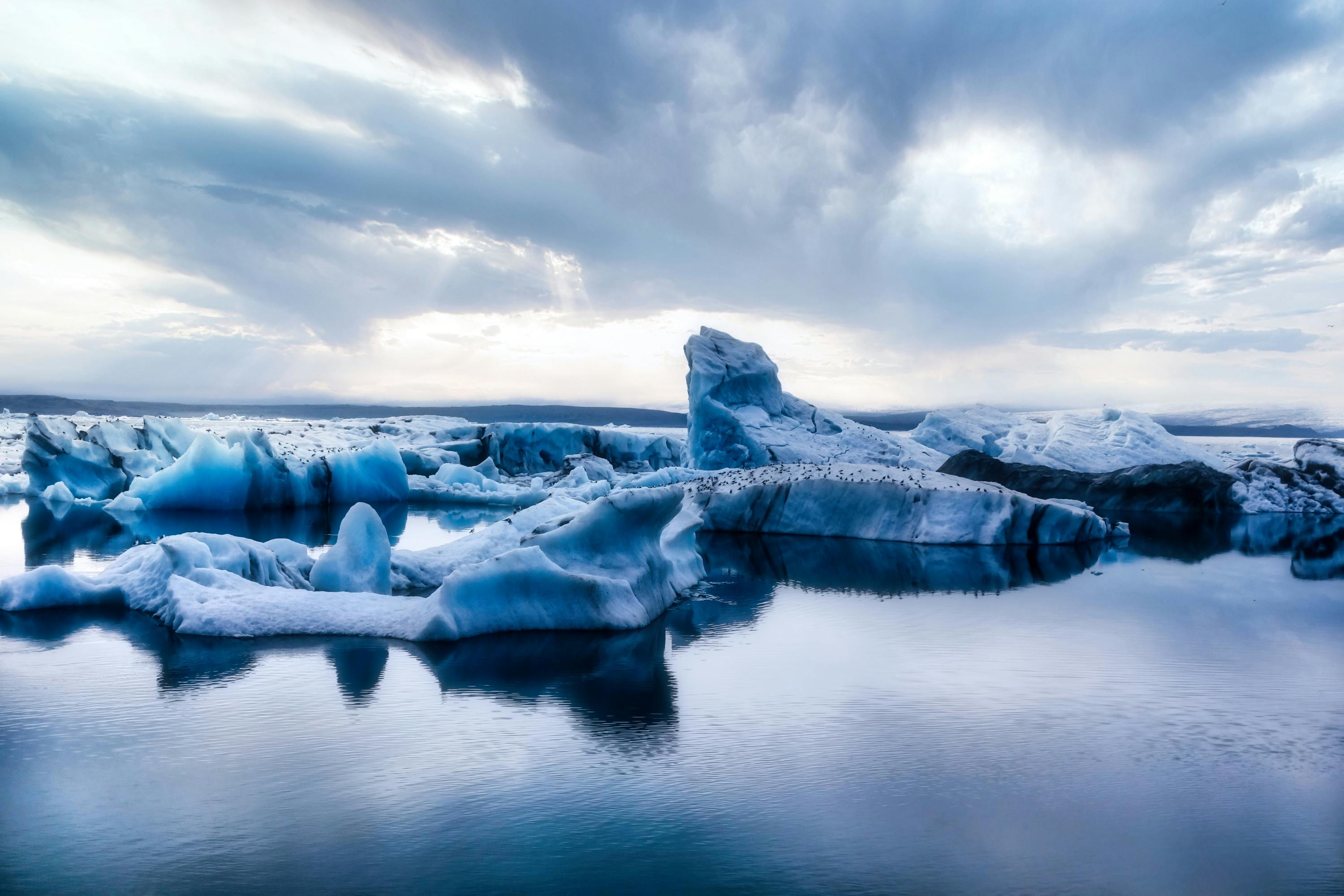
The lagoon stretches over 18 square kilometers, with icebergs of various sizes and shapes drifting serenely in the water. Some icebergs are small and delicate, while others are massive, creating an ever-changing landscape that captivates visitors. The area is also home to seals, which can often be seen lounging on the ice or swimming nearby, adding a lively element to the tranquil scene. Jökulsárlón is accessible year-round, and each season offers a unique perspective—winter’s icy landscape, summer’s melting ice, and the vibrant colors of sunrise and sunset. Boat tours are available, allowing visitors to get up close to the floating icebergs and learn about the glacial processes at work.
Practical advice for visitors includes arriving early or late to avoid crowds and to catch the best light for photography. The lagoon is adjacent to Diamond Beach, where ice chunks wash ashore on black volcanic sands, creating a striking visual contrast. This spot is perfect for those interested in nature photography and adventure travel, offering a chance to witness the dynamic relationship between ice, water, and volcanic landscapes. Whether exploring on foot, taking a boat tour, or simply soaking in the scenery, Jökulsárlón Glacier Lagoon promises an unforgettable experience immersed in Iceland’s pristine wilderness and glacial majesty.
Skógafoss Waterfall
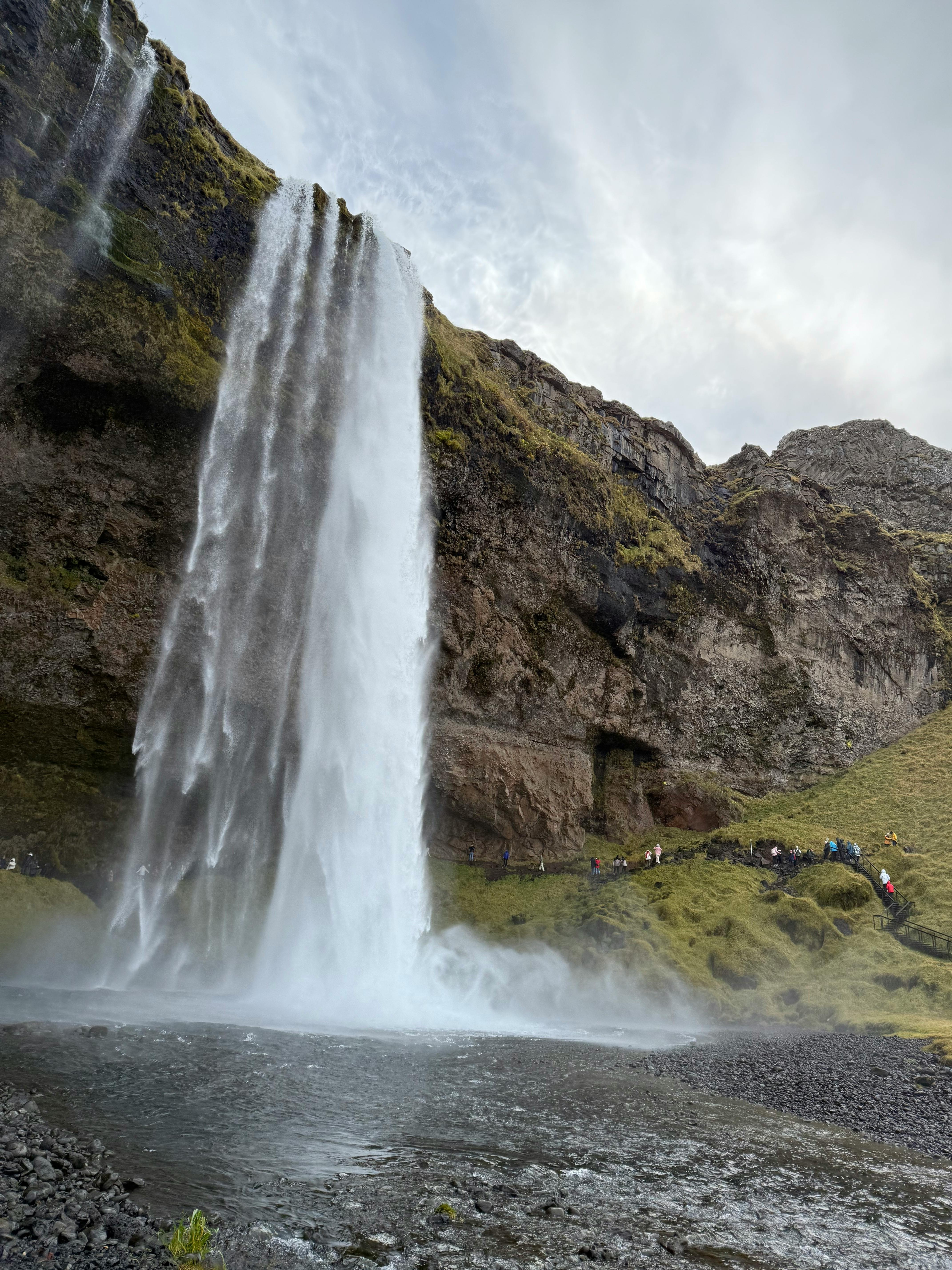
Nestled along Iceland’s southern coast, Skógafoss is one of the country’s most iconic and breathtaking waterfalls. Located just off the Ring Road, approximately 25 kilometers from Vík í Mýrdal, this majestic cascade plunges 60 meters (197 feet) with a width of 25 meters (82 feet), creating a powerful and awe-inspiring sight. The waterfall’s name, meaning “Forest Waterfall,” reflects its lush surroundings, which are often draped in mist and rainbows on sunny days. As you approach, the thunderous roar of water crashing into the rocky pool below immediately captures your attention, promising an unforgettable experience.
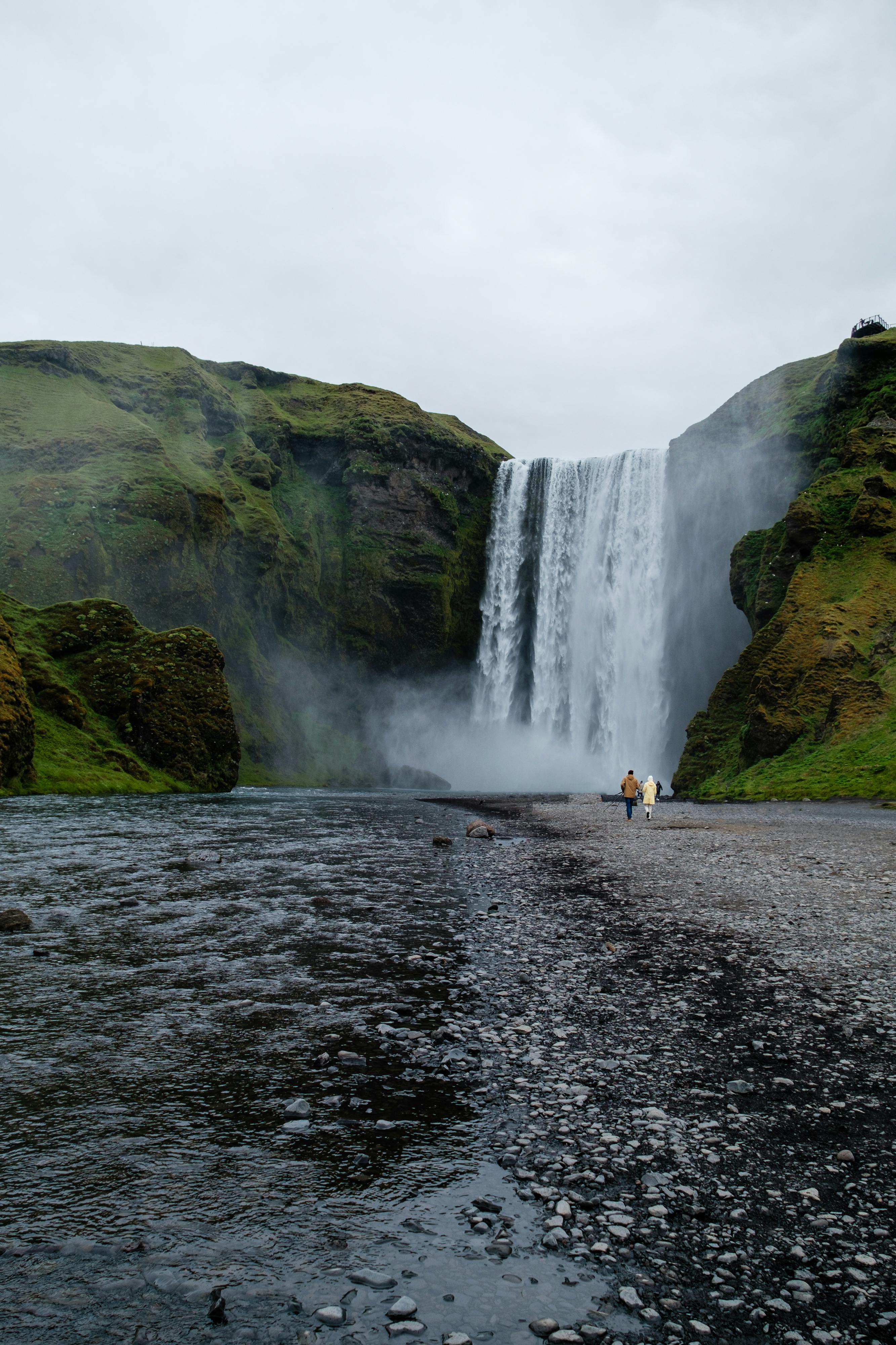
What makes Skógafoss particularly special is its accessibility and the sense of adventure it inspires. Visitors can enjoy a close-up view by walking right up to the waterfall, feeling the spray on their face and hearing the raw power of nature. For those seeking a panoramic perspective, a staircase with around 370 steps climbs along the right side of the falls, leading to an observation platform that offers sweeping vistas of the surrounding landscape. From here, you can gaze over the lush plains, the rugged coastline, and even spot distant glaciers. The area around Skógafoss is also rich in history, with tales of the early settlers and the legendary Viking sagas intertwined with the landscape.
Practical information for visitors includes parking facilities nearby, making it easy to access even during peak tourist seasons. The site is open year-round, but weather conditions can vary, so dressing appropriately in waterproof gear and sturdy footwear is recommended. Photography enthusiasts will find endless opportunities here, especially when rainbows appear in the mist. Whether you’re seeking an adrenaline rush, a peaceful nature retreat, or a stunning photo backdrop, Skógafoss delivers a powerful encounter with Iceland’s wild beauty. It’s a must-visit for anyone traveling along the Ring Road, offering a perfect combination of natural grandeur and accessible adventure.
Thingvellir National Park
Situated in the heart of the Golden Circle, about 45 minutes from Reykjavik, Thingvellir National Park is a UNESCO World Heritage Site renowned for its geological marvels and historical significance. This expansive park spans over 600 square kilometers and offers a unique landscape where tectonic plates meet and diverge, creating dramatic rifts and fissures in the earth’s crust. It is here that the North American and Eurasian plates are slowly drifting apart, making it one of the most accessible locations to witness the Earth’s geological activity firsthand. The park’s striking scenery includes rugged cliffs, crystal-clear lakes, and lush meadows, providing a stunning backdrop for outdoor enthusiasts and history buffs alike.
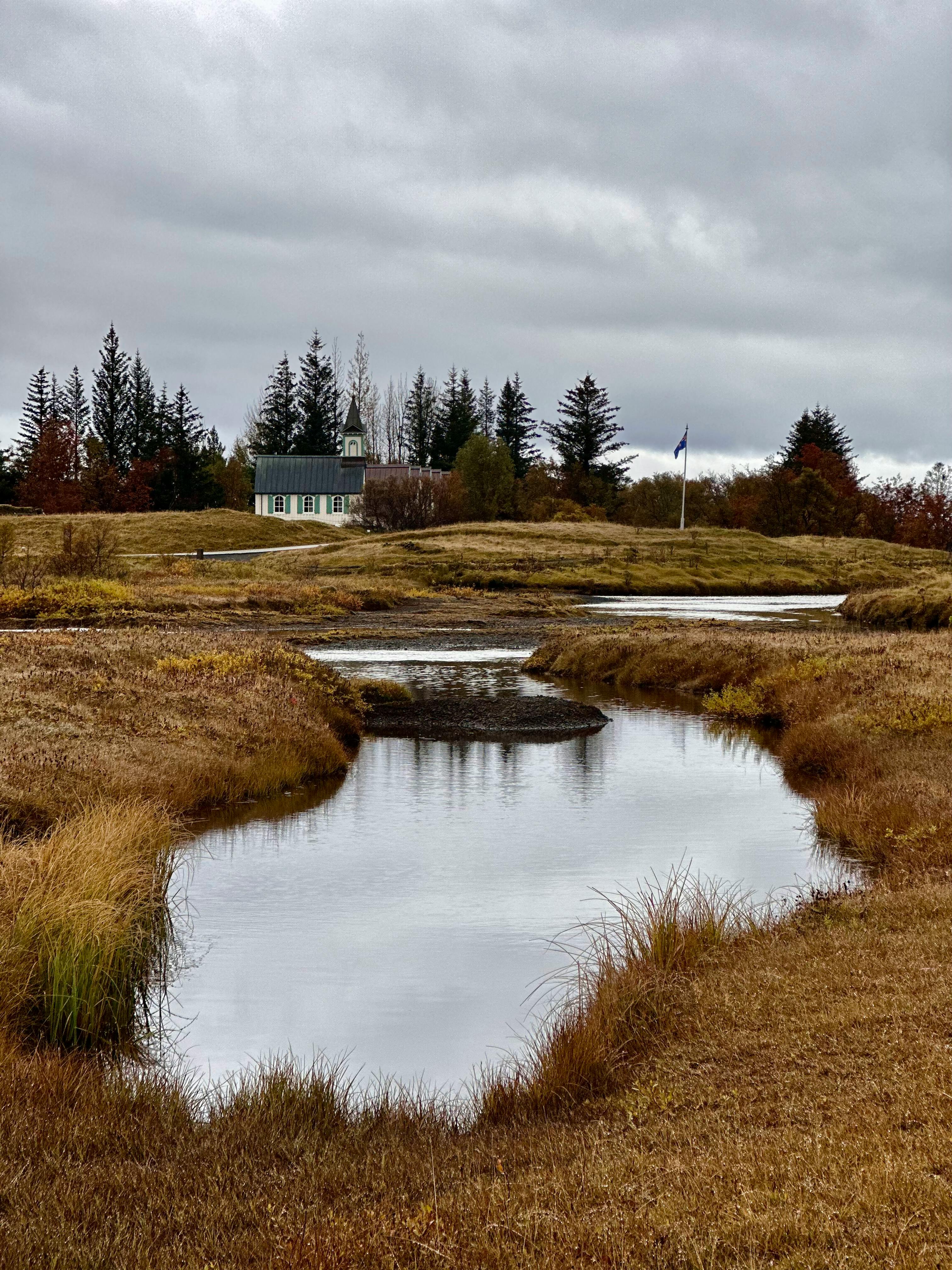
Beyond its geological features, Thingvellir holds profound cultural and historical importance. It was the site of the ancient Icelandic Althing, established in 930 AD, which is considered one of the world’s oldest parliaments. Visitors can walk through the historic assembly fields, imagining the gatherings of early Icelandic chieftains. The park also offers a variety of hiking trails, ranging from easy walks to more challenging routes that explore the rugged terrain and scenic vistas. Snorkeling or diving in Silfra Fissure, a crystal-clear water-filled crack between the tectonic plates, is a popular activity that provides a surreal experience of floating between two continents.
Practical tips for visitors include arriving early to avoid crowds and wearing sturdy hiking shoes. The park has visitor centers with informative displays about its geology and history, as well as guided tours that delve into its fascinating stories. For nature lovers, the combination of geological wonders and historical sites makes Thingvellir a compelling destination that embodies Iceland’s natural and cultural identity. Whether exploring the tectonic rifts, enjoying a picnic by the lakes, or walking through the ancient assembly fields, visitors leave with a deeper appreciation for Iceland’s dynamic landscape and rich heritage. It is truly a place where nature and history intertwine seamlessly, offering an enriching experience for all who visit.
Best Time to Visit Iceland (Ring Road)
Understanding the Seasonal Climate
Visiting Iceland along the Ring Road offers a unique experience that varies significantly with the seasons. The country’s weather is highly unpredictable, but generally, summers (June to August) are milder, with temperatures ranging from 10°C to 15°C (50°F to 59°F). Winters (December to February), on the other hand, are cold, often dropping below freezing, with shorter daylight hours. Spring (March to May) and autumn (September to November) offer transitional weather, with fewer tourists and dramatic landscapes. When planning your trip, consider how weather conditions might impact outdoor adventures, such as hiking, glacier walks, or chasing waterfalls.
Peak Tourist Seasons and Their Advantages
The peak tourist season in Iceland is during the summer months, especially from June to August. During this time, the days are longest, with nearly 24 hours of daylight in June, known as the Midnight Sun. This period is ideal for travelers seeking extensive daylight hours for sightseeing, road trips, and outdoor activities. Additionally, popular attractions like waterfalls, geothermal pools, and volcanic landscapes are at their most accessible. However, this influx of visitors means higher prices and crowded sites.
Off-Peak Benefits and Considerations
Visiting during the shoulder seasons—spring and autumn—can offer a more tranquil experience. Fewer tourists mean more solitude at iconic sites and better opportunities for photography. Prices for accommodations and tours are generally lower, and you may find more flexible availability. Moreover, spring and autumn often feature stunning natural phenomena, such as the Northern Lights, especially from September to March. The main drawback is the unpredictable weather, which can limit certain outdoor activities and cause road closures, especially in winter when snow and ice are prevalent.
Summary: Pros and Cons of Visiting at Different Times
| Time of Year | Pros | Cons |
|---|---|---|
| Summer (June – August) |
|
|
| Spring (March – May) |
|
|
| Autumn (September – November) |
|
|
| Winter (December – February) |
|
|
Careful planning around these seasonal variations can help ensure an enjoyable and memorable trip, whether you seek endless summer days, winter wonderlands, or the quiet beauty of shoulder seasons.
Getting to Iceland (Ring Road): Your Gateway to Nature & Adventure
Embarking on a journey to Iceland’s Ring Road opens up a world of stunning landscapes, waterfalls, glaciers, and volcanic terrains. To fully embrace the adventure, understanding your transportation options is essential. Whether you’re arriving by air or planning to explore the country by road, this guide will help you navigate your way efficiently and comfortably to experience Iceland’s breathtaking nature.
Flights to Iceland
The most common way to reach Iceland is by plane, especially from Europe and North America. Keflavík International Airport (KEF), located near Reykjavik, is the main international gateway. Several airlines operate direct flights from major cities such as London, New York, and Toronto. Once you land, you can rent a car or take a shuttle to start your Ring Road adventure.
Public Transportation Options
While public transport in Iceland is limited compared to other destinations, buses serve key towns along the Ring Road. Companies like Strætó operate routes connecting Reykjavik to towns like Akureyri, Egilsstaðir, and Vik. However, relying solely on buses can restrict your flexibility, especially for accessing remote natural sites. For a more immersive experience in nature, renting a car is highly recommended.
Search for Car Hire
Car Rentals for the Ultimate Adventure
Renting a car provides the freedom to explore Iceland’s wilderness at your own pace. Many international and local agencies operate at Keflavík Airport and in Reykjavik. Opt for a four-wheel-drive vehicle, especially if you plan to venture onto F-roads or explore rugged terrains. Remember to check the insurance coverage, and familiarize yourself with Icelandic driving laws, such as the importance of headlights and speed limits.
Travel Tips & Important Information
- Advance booking is advisable, especially during peak summer months.
- Familiarize yourself with Iceland’s weather conditions, which can change rapidly and impact driving plans.
- Plan your fuel stops, as gas stations can be sparse in remote areas.
- Ensure your vehicle has GPS or offline maps for easy navigation.
Choosing the right transportation method sets the foundation for an unforgettable journey through Iceland’s remarkable natural landscapes. Whether flying in or driving the legendary Ring Road, your adventure into nature and discovery awaits.
Best Places to Stay Along the Iceland Ring Road for Nature & Adventure Enthusiasts
Embarking on a journey around Iceland’s Ring Road offers an unparalleled opportunity to immerse yourself in breathtaking landscapes and exhilarating adventures. Your choice of accommodation can significantly enhance this experience, whether you seek luxury, comfort, or budget-friendly options. Below, we explore the top places to stay, tailored to different budgets, ensuring you stay close to Iceland’s natural wonders and adventure hotspots.
Luxury Accommodations for the Discerning Explorer
For travelers who desire a blend of comfort, style, and proximity to Iceland’s most iconic sights, luxury options provide an indulgent base for your adventure. Deplar Farm in Flúðir exemplifies this, offering a boutique experience nestled in the countryside. This former sheep farm has been transformed into a luxurious retreat featuring geothermal pools, spa services, and panoramic views of Iceland’s volcanic landscape. It’s perfect for adventurers who want to unwind after a day of exploring geysers, waterfalls, and glaciers.
Another exceptional choice is Hotel Ranga in Hella, renowned for its sophisticated design and excellent location near the South Coast’s natural attractions. With its world-class amenities, including an observatory for stargazing and guided Northern Lights tours, it caters to those seeking a blend of adventure and luxury.
Mid-Range Options for Comfortable & Convenient Stays
If you prefer a balance between comfort and affordability, mid-range accommodations offer cozy, well-equipped lodgings close to nature. Hótel Ísland in Akureyri provides charming rooms with modern amenities, just a short drive from the fjords and whale-watching tours. Its central location makes it an excellent base for exploring North Iceland’s rugged terrain.
In the South, Fosshotel Glacier Lagoon offers contemporary comfort near Vatnajökull National Park. Its stylish rooms provide spectacular views of glaciers and mountains, making it an ideal spot for adventurers eager to explore ice caves, hike glaciers, or photograph stunning landscapes.
Budget-Friendly Stays for the Thrifty Adventurer
Travelers on a tighter budget can still enjoy Iceland’s beauty without sacrificing proximity to adventure hotspots. Hostel Búdir in Búdir offers affordable dorms and private rooms amid a striking volcanic landscape, perfect for meeting fellow explorers and sharing stories of the day’s adventures.
Alternatively, Húsafell Hostel provides budget-friendly accommodations near the West Iceland highlands. Its communal atmosphere and easy access to hiking trails, waterfalls, and geothermal pools make it a practical choice for those seeking adventure on a budget.
In summary, whether you desire the luxury of a boutique farm, the comfort of a modern hotel, or the affordability of a hostel, Iceland’s Ring Road offers diverse options. Staying close to nature not only enhances your adventure experience but also allows you to wake up surrounded by Iceland’s awe-inspiring landscapes, ready for the next day’s exploration.
Essential Travel Products for Exploring Iceland’s Ring Road
1. Waterproof and Insulated Hiking Boots
When traversing Iceland’s rugged terrain along the Ring Road, a reliable pair of waterproof and insulated hiking boots is indispensable. These boots are designed to withstand the unpredictable Icelandic weather, which often includes rain, snow, and muddy trails. Look for boots with high ankle support, durable waterproof membranes such as Gore-Tex, and excellent traction soles to prevent slips on icy or wet surfaces. Insulation is also crucial, especially if you plan to hike or explore during colder months or in higher altitudes. Brands like Salomon, Merrell, and La Sportiva offer models specifically engineered for challenging terrains. You can find these boots on outdoor gear retailers like REI, Backcountry, or Amazon, ensuring you get a product that combines durability, comfort, and weather resistance. Investing in quality footwear will not only enhance your safety but also allow you to enjoy Iceland’s stunning landscapes without discomfort or worry about the elements.
2. Portable Power Bank with Solar Charging
Given the remote nature of many Icelandic sights along the Ring Road, staying connected and powered up is vital. A portable power bank with solar charging capabilities offers a practical solution for recharging smartphones, cameras, and GPS devices on the go. This device is especially useful during long drives or hikes where access to power outlets is limited. Choose a model with a high capacity, ideally over 20,000mAh, to ensure multiple charges for your devices. Solar panels integrated into the power bank allow for recharging during daylight hours, which is invaluable during multi-day adventures. Additionally, look for a lightweight, weather-resistant design to withstand Iceland’s often damp conditions. Brands such as Anker, Goal Zero, and RAVPower produce highly-rated solar power banks available on Amazon or outdoor specialty stores. This product ensures you can capture every breathtaking moment and navigate safely without the fear of losing essential digital tools in Iceland’s wilderness.
Find everything you need for your trip on Amazon
Guidebooks for Nature & Adventure Travel in Iceland
1. “Iceland: The Ultimate Guide” (Kindle Unlimited & Audible)
This comprehensive guidebook offers detailed insights into Iceland’s most spectacular natural wonders, from waterfalls and glaciers to volcanic landscapes. It includes practical tips on navigating the Ring Road, finding hidden gems, and planning outdoor adventures like glacier hiking, horseback riding, and canyoning. The book’s focus on nature and adventure makes it an ideal companion for travelers craving authentic experiences. Its detailed maps and itineraries help maximize your time, ensuring you don’t miss out on the country’s most awe-inspiring sights. Available on Kindle Unlimited and Audible, this guide provides both convenience and expert advice, making it easier to immerse yourself in Iceland’s wild beauty while staying organized and well-informed.
2. “Iceland: A Guide to the Land of Fire and Ice” (Kindle Unlimited & Audible)
This book delves into Iceland’s geological marvels, offering a mix of adventure travel tips and cultural insights. It highlights the best routes along the Ring Road for exploring volcanoes, geothermal areas, and volcanic craters. The authors emphasize outdoor activities like ice cave exploration, volcano safaris, and hot spring visits, catering to thrill-seekers and nature lovers alike. The detailed descriptions help travelers identify lesser-known spots that promise unique adventures away from crowded tourist areas. Its engaging narrative and practical advice, available on Kindle Unlimited and Audible, make it an excellent resource for planning an adventure-packed journey through Iceland’s rugged landscapes.
3. “Wild Iceland: A Guide to the Best Nature & Adventure Travel” (Kindle Unlimited & Audible)
This guidebook is tailored specifically for those seeking adrenaline-fueled experiences and untouched nature. It covers outdoor pursuits like kayaking in glacial lagoons, mountain biking through volcanic terrain, and exploring remote fjords. The book also offers tips on safety, gear, and local guides, ensuring that your adventure is both exciting and secure. Its focus on off-the-beaten-path destinations helps travelers discover Iceland’s hidden treasures, perfect for those wanting to go beyond typical tourist routes. Available on Kindle Unlimited and Audible, this guide encourages immersive experiences and helps travelers plan a truly adventurous trip along the Ring Road.
With these well-curated travel products and guides, visitors can confidently explore Iceland’s wild landscapes, ensuring a memorable and safe adventure along the legendary Ring Road.
Guidebooks, phrasebooks, and travel stories – free for a month!
Frequently Asked Questions About Nature & Adventure Travel on Iceland’s Ring Road
What is the best time of year to explore Iceland’s Ring Road for nature and adventure travel?
For optimal adventure experiences, the summer months from June to August are ideal. During this period, the weather is relatively mild, with temperatures ranging between 10°C and 15°C, and daylight lasts up to 24 hours, providing ample time for exploration. This season offers access to highland routes, waterfalls, and hiking trails that might be inaccessible in winter due to snow. However, if you’re seeking a unique experience, consider visiting in late spring (May) or early autumn (September), when landscapes are lush or tinged with fall colors, and crowds are fewer. For winter adventurers, traveling from November to March provides opportunities for ice caving, Northern Lights viewing, and snow-based activities, but be prepared for colder temperatures and limited daylight.
How can I find the best travel deals for a Ring Road adventure?
To secure the best deals, start planning early and compare prices across multiple platforms. Consider booking package deals that include car rentals, accommodations, and guided tours. Look for discounts during shoulder seasons or off-peak times, which often offer lower prices and fewer tourists. Additionally, exploring local rental companies can sometimes yield better rates than international chains. Traveling with a group or family can also reduce costs per person. Keep an eye on travel deal websites, Iceland-specific travel forums, and social media for flash sales or special promotions. Lastly, flexibility with your travel dates can significantly impact prices, so being adaptable can help you find the most affordable options.
What are the must-see natural attractions along the Ring Road?
The Ring Road offers a plethora of breathtaking sights that define Iceland’s rugged beauty. Key attractions include:
- Jökulsárlón Glacier Lagoon: An otherworldly ice lagoon filled with floating icebergs, perfect for boat tours and photography.
- Skógafoss and Seljalandsfoss Waterfalls: Iconic waterfalls offering stunning photo opportunities and accessible hiking trails.
- Vatnajökull National Park: Home to Europe’s largest glacier, offering hiking, ice caving, and snowmobiling adventures.
- Dettifoss Waterfall: Known as Europe’s most powerful waterfall, surrounded by dramatic canyon landscapes.
- Húsavík: A renowned spot for whale watching excursions, providing a unique marine adventure experience.
Each of these sites offers a chance to connect deeply with Iceland’s pristine natural environment, ideal for adventure seekers and nature lovers alike.
Are guided tours necessary for exploring Iceland’s wilderness?
While self-driving along the Ring Road is entirely feasible, guided tours can enrich your experience, especially for adventurous activities like glacier hiking, ice caving, or volcano exploration. Guides provide safety, local knowledge, and access to remote areas that might be challenging to navigate alone. For example, ice caves are often accessible only with experienced guides due to potential hazards. Moreover, guided tours can maximize your time, ensuring you see the most spectacular sights without the stress of planning every detail. If you prefer independence, renting a reliable vehicle and researching routes thoroughly can suffice, but always prioritize safety and environmental respect.
What practical tips should I keep in mind for a successful Ring Road adventure?
Preparation is key for a smooth journey. First, rent a sturdy, 4WD vehicle, especially if you plan to venture into highland areas or travel during winter. Always check weather forecasts daily, as Iceland’s weather can change rapidly, impacting road conditions. Pack layers, including waterproof gear, sturdy hiking boots, and emergency supplies. Respect nature by sticking to marked trails and avoiding off-road driving, which damages fragile ecosystems. Additionally, plan your accommodations in advance, particularly during peak seasons, to secure cozy lodges or campsites. Lastly, embrace flexibility—unexpected weather or road closures can alter plans, but this often leads to spontaneous adventures and unique experiences.
Luggage, travel accessories, airport transfers – you name it, you can earn cashback on it! Join for free and make your travel shopping more rewarding.
Discover the Ultimate Nature & Adventure Experience in Iceland
Exploring Iceland’s Ring Road provides an exceptional opportunity to immerse yourself in stunning landscapes and exhilarating outdoor pursuits. From majestic waterfalls like Seljalandsfoss to the icy realms of Vatnajökull, every stop reveals a new facet of Iceland’s natural beauty. Planning ahead to find the best deals on accommodations, guided tours, and transportation can help maximize your experience while staying within your budget. Flexibility with travel dates and early bookings are effective strategies for reducing costs and avoiding crowds.
Engaging with Iceland’s diverse ecosystems—glaciers, geothermal fields, volcanic landscapes, and lush valleys—offers endless possibilities for adventure activities such as hiking, ice caving, whale watching, and more. Guided tours often enhance safety and provide deeper insights into the geology and ecology of the region, making even the most daring adventures accessible. Remember to travel responsibly by respecting nature, following local guidelines, and minimizing your environmental impact.
With careful planning and an adventurous spirit, you can experience Iceland’s wild beauty in a way that leaves a lasting impression. Whether you seek solitude in pristine wilderness or adrenaline-fueled excursions, Iceland’s landscapes are sure to inspire and invigorate.