Rome: The Eternal City’s Timeless Allure and Unmatched Heritage
Discover Rome: A Journey Through Culture, History, and Bucket-List Adventures
Rome stands as a beacon of human achievement, blending millennia of history with a vibrant, living culture. Known worldwide as the birthplace of Western civilization, this city offers an unparalleled tapestry of ancient ruins, Renaissance masterpieces, and lively modern neighborhoods. Its streets whisper stories of emperors, artists, and revolutionaries, making it a compelling destination for travelers seeking a true cultural immersion. Whether you’re wandering through historic piazzas, marveling at iconic architecture, or indulging in authentic cuisine, Rome invites you to step into a living museum.
For those with a passion for history, art, and architecture, Rome is a treasure trove that promises unforgettable experiences. In this guide, you’ll discover how to find the best travel deals, explore the city’s hidden gems, and craft your ultimate bucket-list trip. Get ready to uncover the secrets of the Eternal City and make your travel dreams a reality.
Adventure awaits, and so does the perfect playlist! Try Amazon Music Unlimited free.
Colosseum
The Colosseum, also known as the Flavian Amphitheatre, stands as an iconic symbol of ancient Rome’s grandeur and engineering prowess. Located in the heart of Rome, this colossal structure was completed in AD 80 under Emperor Titus and served as the grand arena for gladiatorial combat, public spectacles, and other entertainment events that drew thousands of spectators. Its impressive elliptical shape measures approximately 189 meters long, 156 meters wide, and reaches a height of 48 meters, making it one of the largest amphitheaters ever constructed.
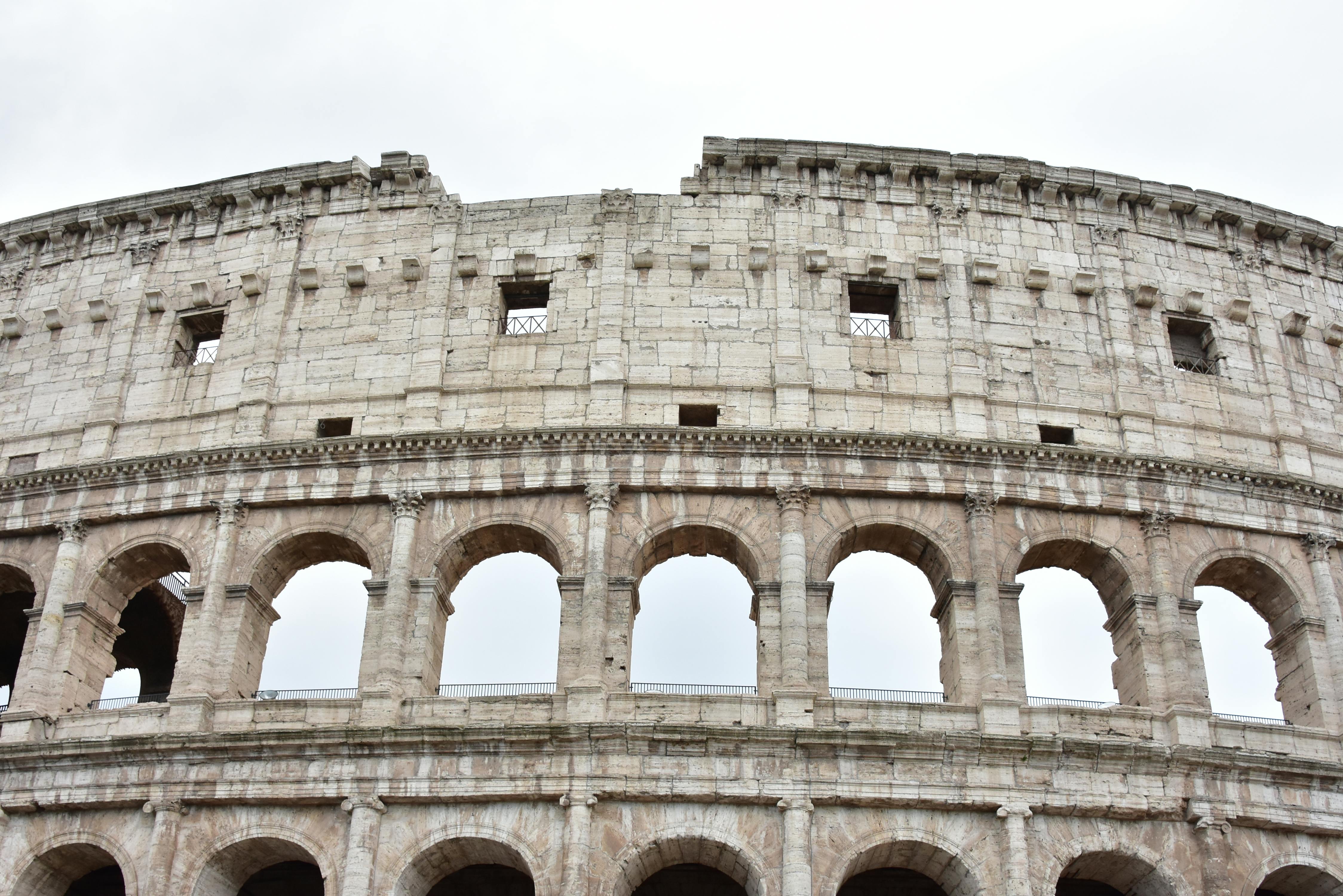
The main features of the Colosseum include its intricate system of vaults and corridors, which allowed for efficient crowd movement and access to different sections. Visitors can explore the underground hypogeum, where gladiators and animals were kept before contests, and walk through the upper tier to enjoy panoramic views of Rome. The exterior facade, with its series of arches and columns, exemplifies Roman architectural innovation and has influenced countless structures worldwide.
Visiting the Colosseum provides a unique glimpse into Rome’s violent yet fascinating history. It’s a must-see for history enthusiasts and culture seekers alike, as it embodies the might and ingenuity of the Roman Empire. Practical tips for visitors include arriving early to avoid crowds, booking tickets in advance, and considering a guided tour to fully appreciate the rich history and stories behind this marvel. The site is accessible year-round, with opening hours typically from morning until late afternoon, and nearby public transportation makes it easy to reach from anywhere in the city.
Vatican Museums
The Vatican Museums are a sprawling complex of galleries, chapels, and halls that house one of the world’s most extraordinary art collections. Situated within Vatican City, these museums are a treasure trove of masterpieces spanning centuries, from ancient sculptures to Renaissance paintings. They are located just north of St. Peter’s Basilica, making them an essential part of any cultural itinerary in Rome. The museums were founded in the early 16th century and have grown over the centuries through papal collections, donations, and acquisitions.
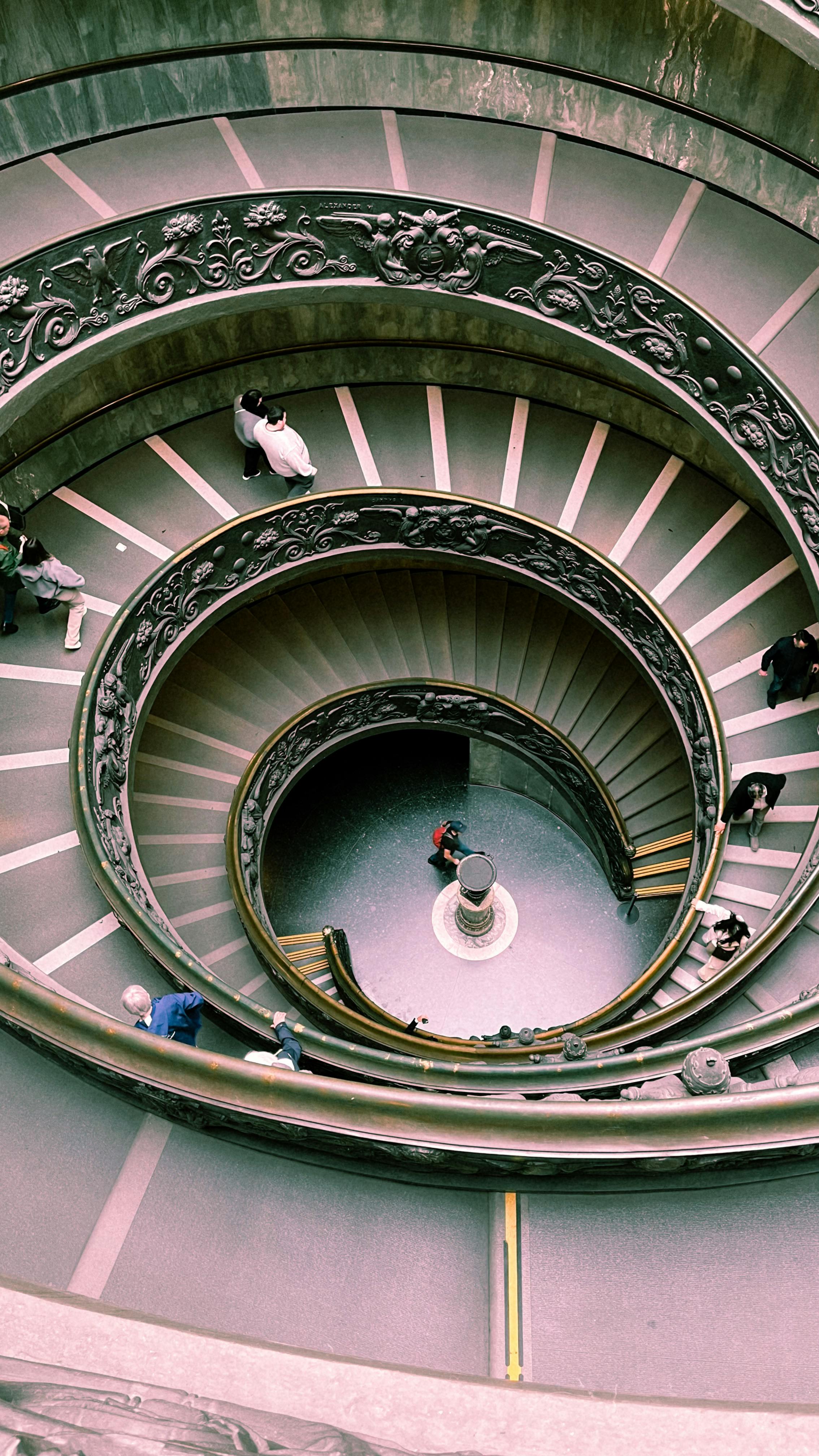
The highlight of the Vatican Museums is undoubtedly the Sistine Chapel, renowned for Michelangelo’s breathtaking ceiling frescoes and The Last Judgment. Beyond the chapel, visitors can explore the Raphael Rooms, adorned with stunning frescoes, and the Gallery of Maps, featuring detailed cartographic artworks. The museums also house ancient Egyptian artifacts, Etruscan relics, and classical sculptures that showcase the breadth of human creativity and history.
Visiting the Vatican Museums offers a profound experience, blending art, history, and spirituality. It’s a journey through centuries of cultural achievement that has influenced Western civilization profoundly. To make the most of your visit, it’s advisable to purchase tickets online in advance, as the museums are among the most visited attractions in Rome. Guided tours can enrich your understanding of the artworks and their historical context. The museums are open most days, with longer hours during peak seasons, and include a strict dress code—covering shoulders and knees is required to enter the sacred spaces.
St. Peter’s Basilica
St. Peter’s Basilica stands as a masterpiece of Renaissance architecture and a spiritual epicenter within Vatican City. Located on St. Peter’s Square, it is one of the largest churches in the world and a pilgrimage destination for millions each year. Built over the tomb of Saint Peter, the basilica was designed by renowned architects including Michelangelo, Bernini, and Bramante. Its grand facade, topped with statues of Christ and apostles, leads visitors into a space that combines divine beauty with artistic mastery.
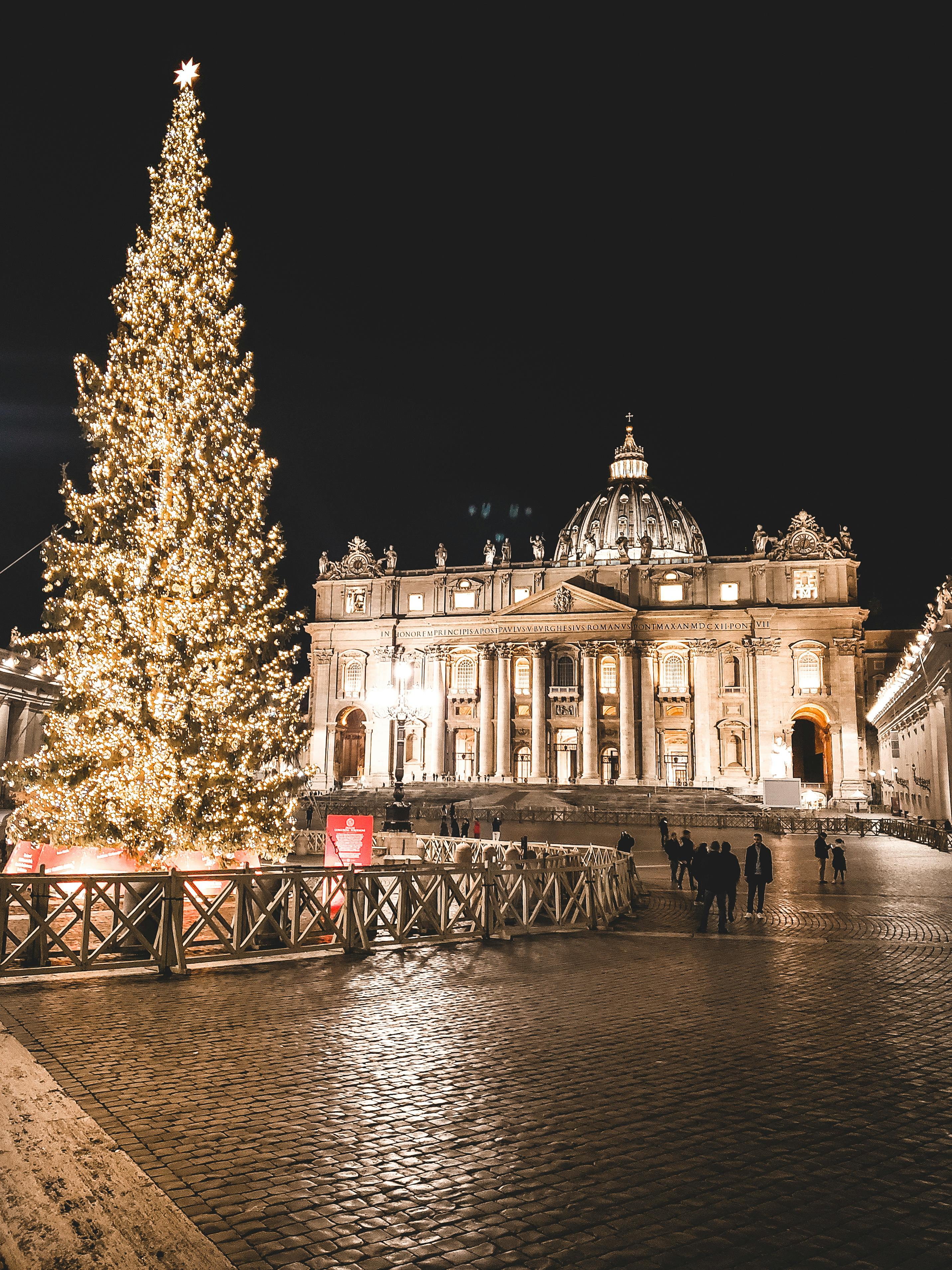
The interior of St. Peter’s Basilica is equally awe-inspiring. Visitors can admire the massive nave, adorned with intricate mosaics and sculptures, and ascend to the famous dome for a panoramic view of Rome. The Baldachin, designed by Bernini, marks the papal altar and is a stunning example of Baroque artistry. The basilica also houses important religious relics, including the altar over Saint Peter’s tomb, and the Pietà sculpture by Michelangelo, which remains one of the most revered artworks in the world.
Exploring St. Peter’s Basilica offers a profound connection to both religious history and artistic achievement. It’s a site that inspires awe and reflection, making it a bucket-list destination for culture, faith, and history lovers. To enhance your visit, consider joining a guided tour to learn about the basilica’s architecture, art, and significance. Entrance is free, but access to the dome and certain areas may require tickets or reservations. The basilica is open most days, with early mornings and late afternoons being ideal times to avoid crowds, especially during peak tourist seasons.
Roman Forum
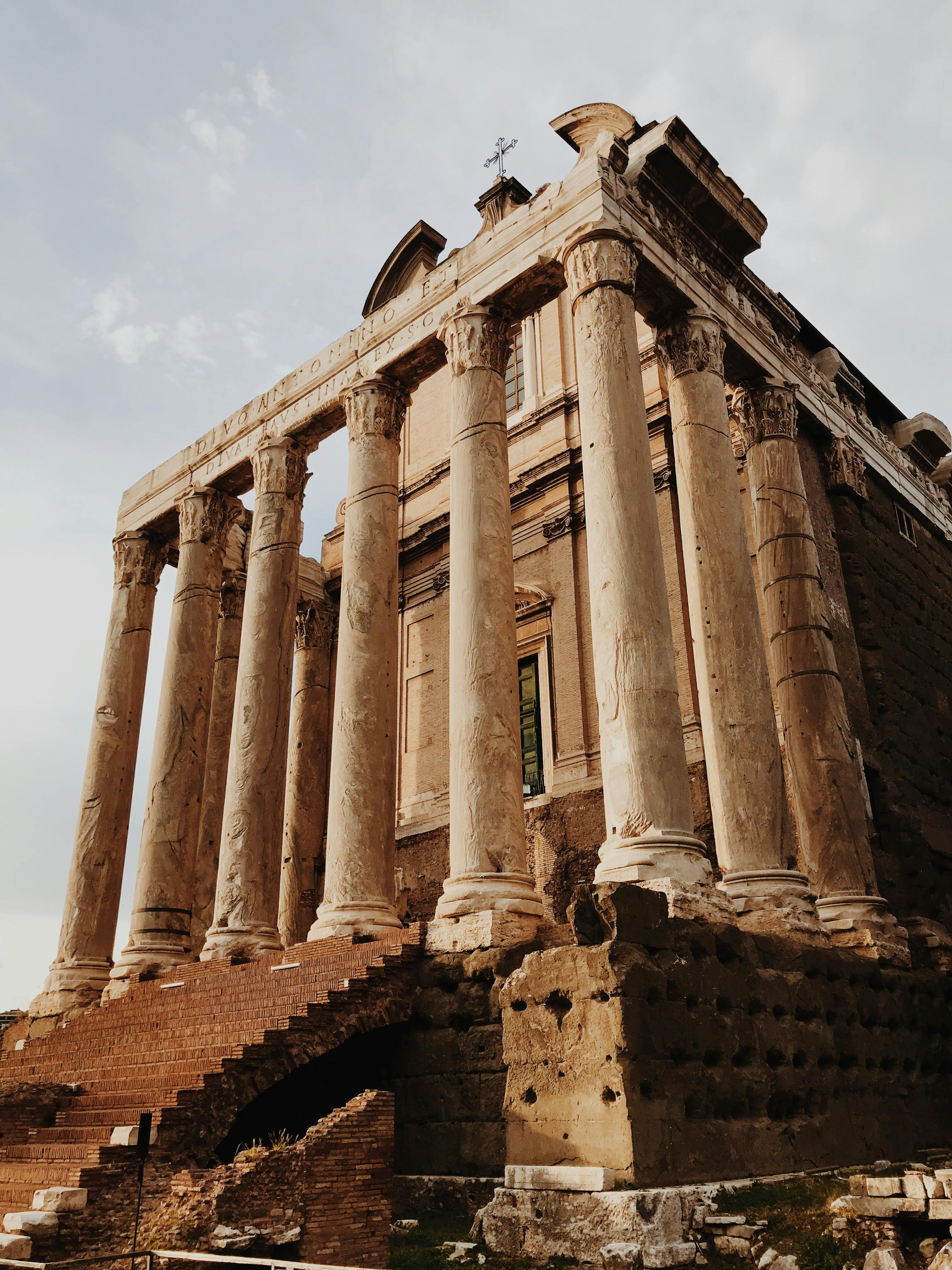
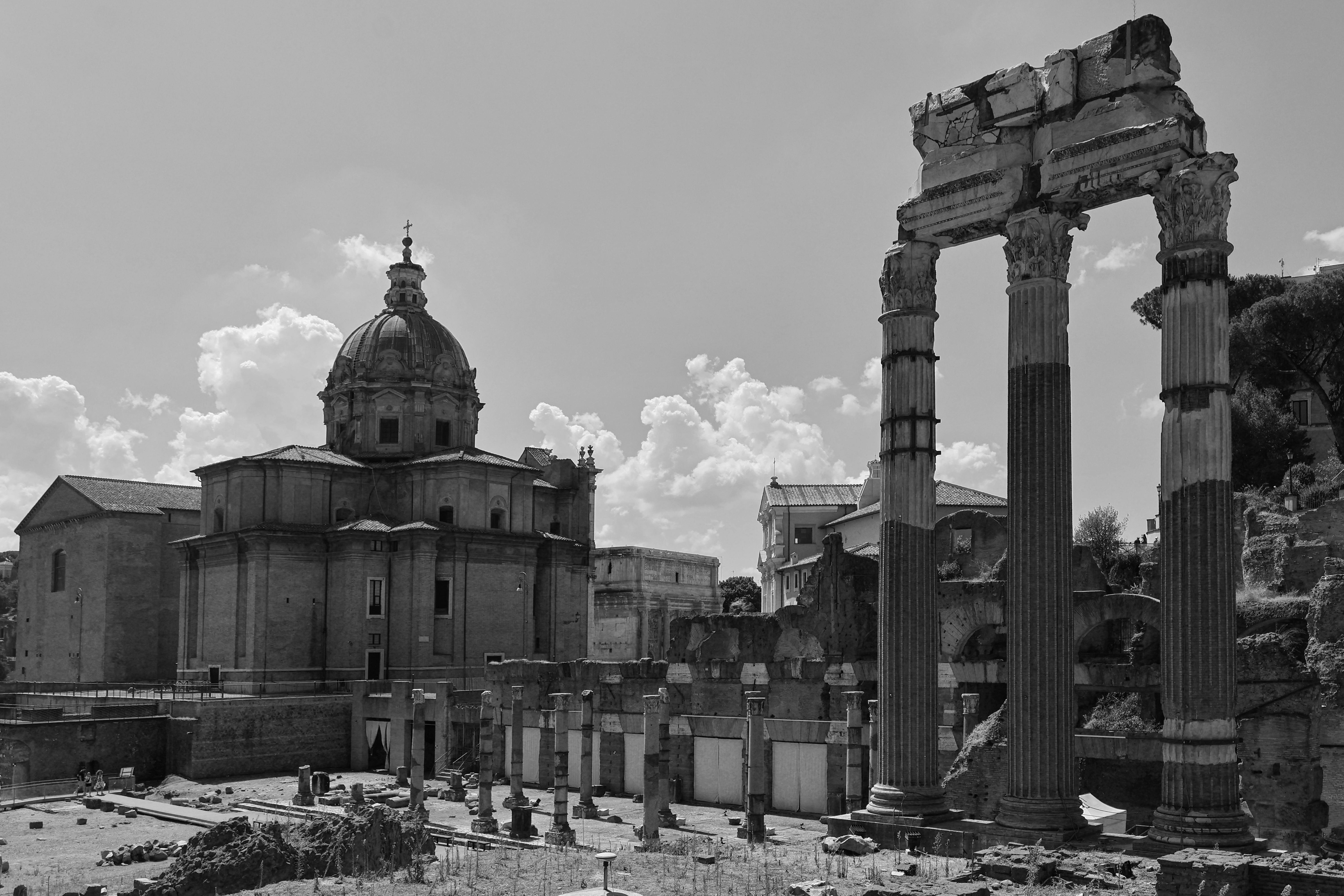
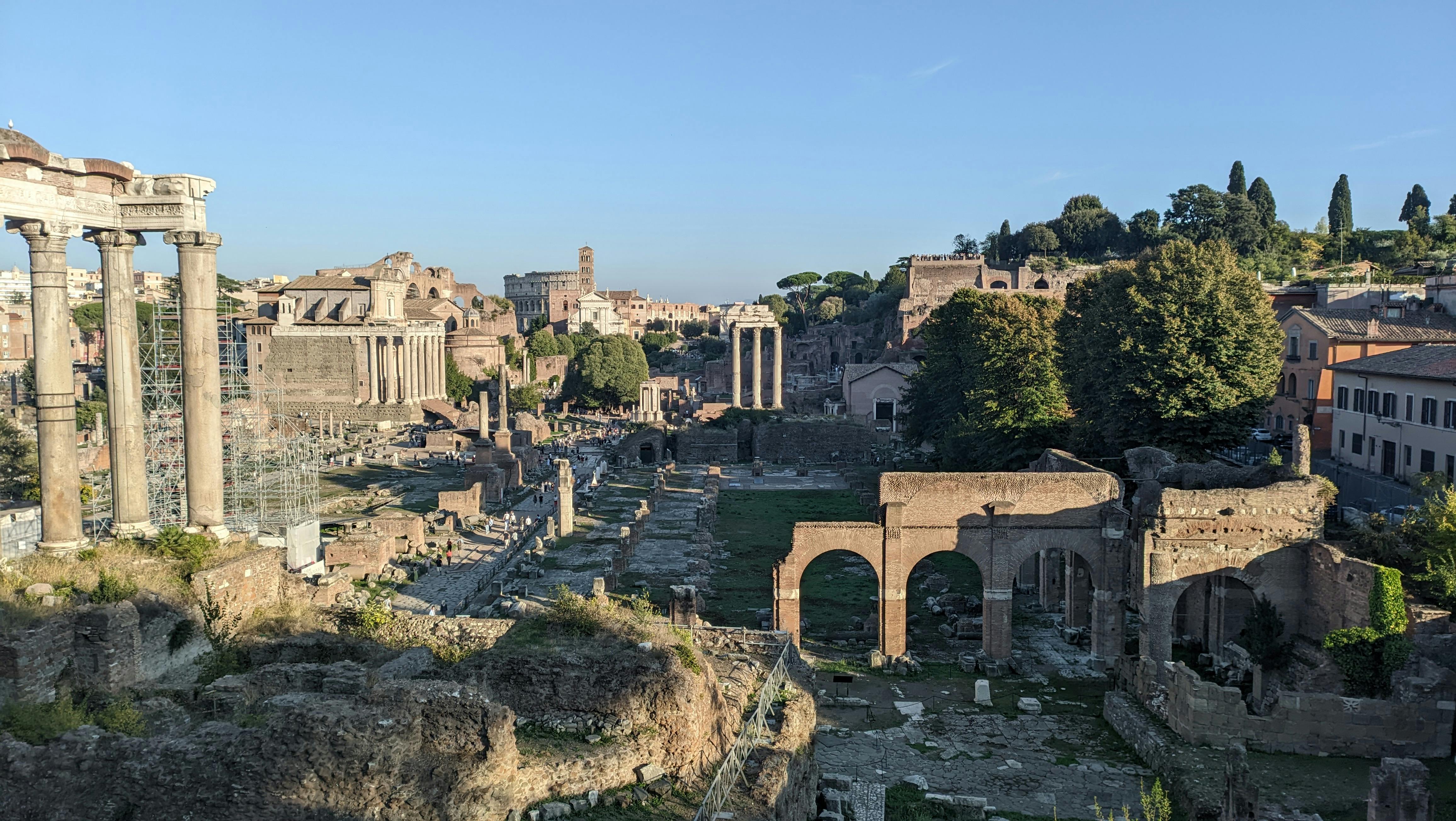
The Roman Forum stands as the heart of ancient Rome, offering a captivating glimpse into the political, religious, and social life of one of history’s most influential civilizations. Located in the valley between the Palatine and Capitoline Hills, this sprawling archaeological complex was once the bustling center of Roman public life. Today, it serves as an open-air museum, where visitors can wander among ancient ruins that echo with stories of empire, power, and innovation.
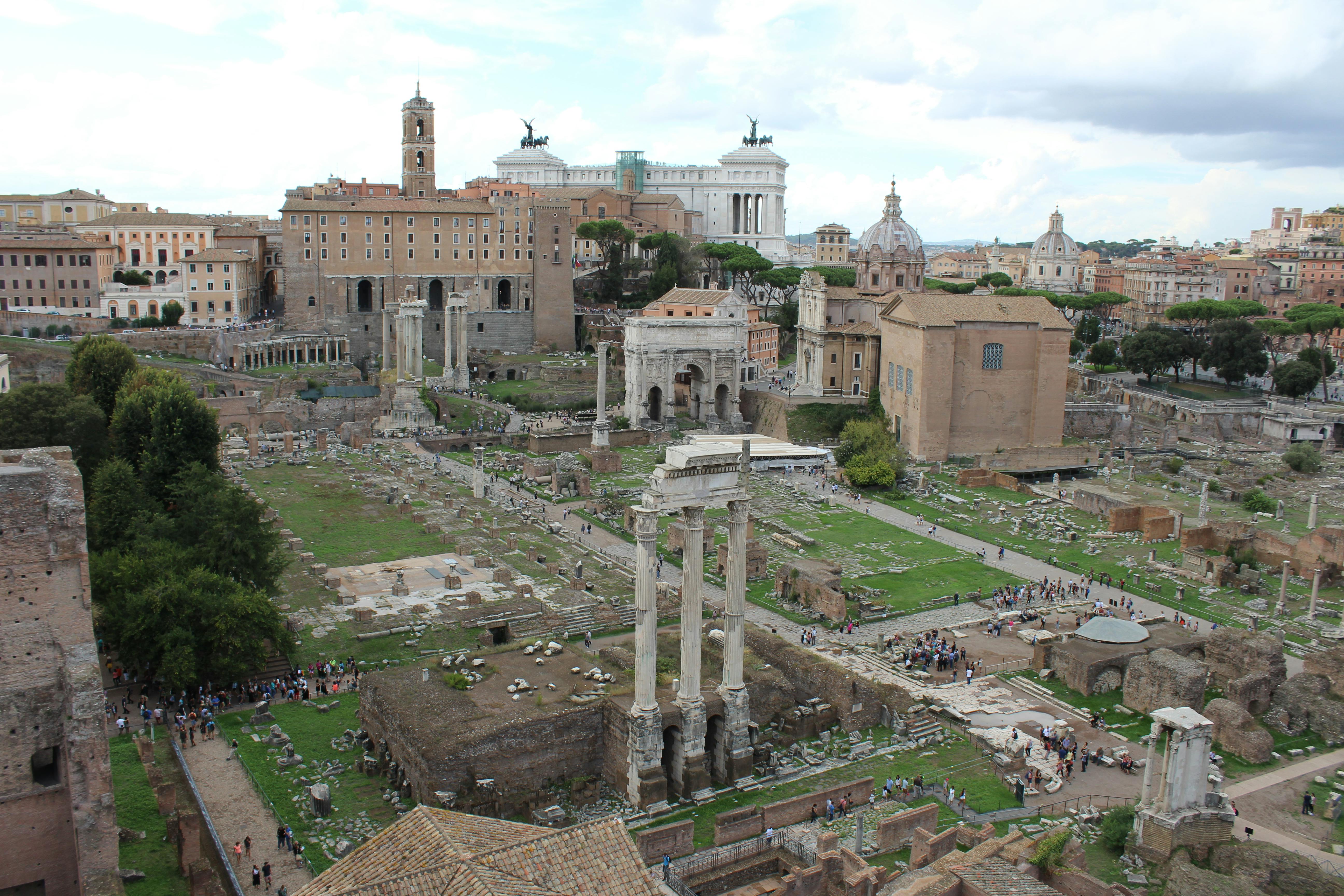
The Forum’s main features include the remnants of important structures such as the Curia (Senate House), the Temple of Saturn, the Arch of Septimius Severus, and the Basilica Julia. These ruins reveal the grandeur of Roman architecture and engineering, showcasing towering columns, intricate reliefs, and expansive courtyards. Walking through these ruins, visitors can imagine the lively debates, political gatherings, and religious ceremonies that once filled this space.
Visiting the Roman Forum is an essential experience for anyone interested in the roots of Western civilization. It offers a tangible connection to history, allowing travelers to step back in time and witness the birthplace of Roman governance and culture. The site is particularly stunning at sunrise or late afternoon when the soft light accentuates the ancient stones and shadows cast by the remaining columns.
Practical info for visitors includes purchasing tickets at the entrance or online to avoid long lines. Guided tours are highly recommended, as they provide context and stories behind each ruin, enriching the experience. The site is accessible on foot from other major attractions, making it easy to incorporate into a comprehensive tour of Rome’s historic center. Be sure to wear comfortable shoes, as exploring the uneven terrain can be tiring but rewarding for those eager to uncover the city’s ancient secrets.
Pantheon
The Pantheon stands as a testament to Roman ingenuity and architectural mastery. Situated in the heart of Rome, this ancient temple has been remarkably well-preserved and continues to inspire visitors with its grandeur and spiritual significance. Originally built in 27 BC by Marcus Agrippa, the current structure was reconstructed by Emperor Hadrian around 120 AD after the original was destroyed by fire. Its name, meaning “all gods,” reflects its dedication to multiple deities, but today it functions as a Catholic church and a major tourist attraction.
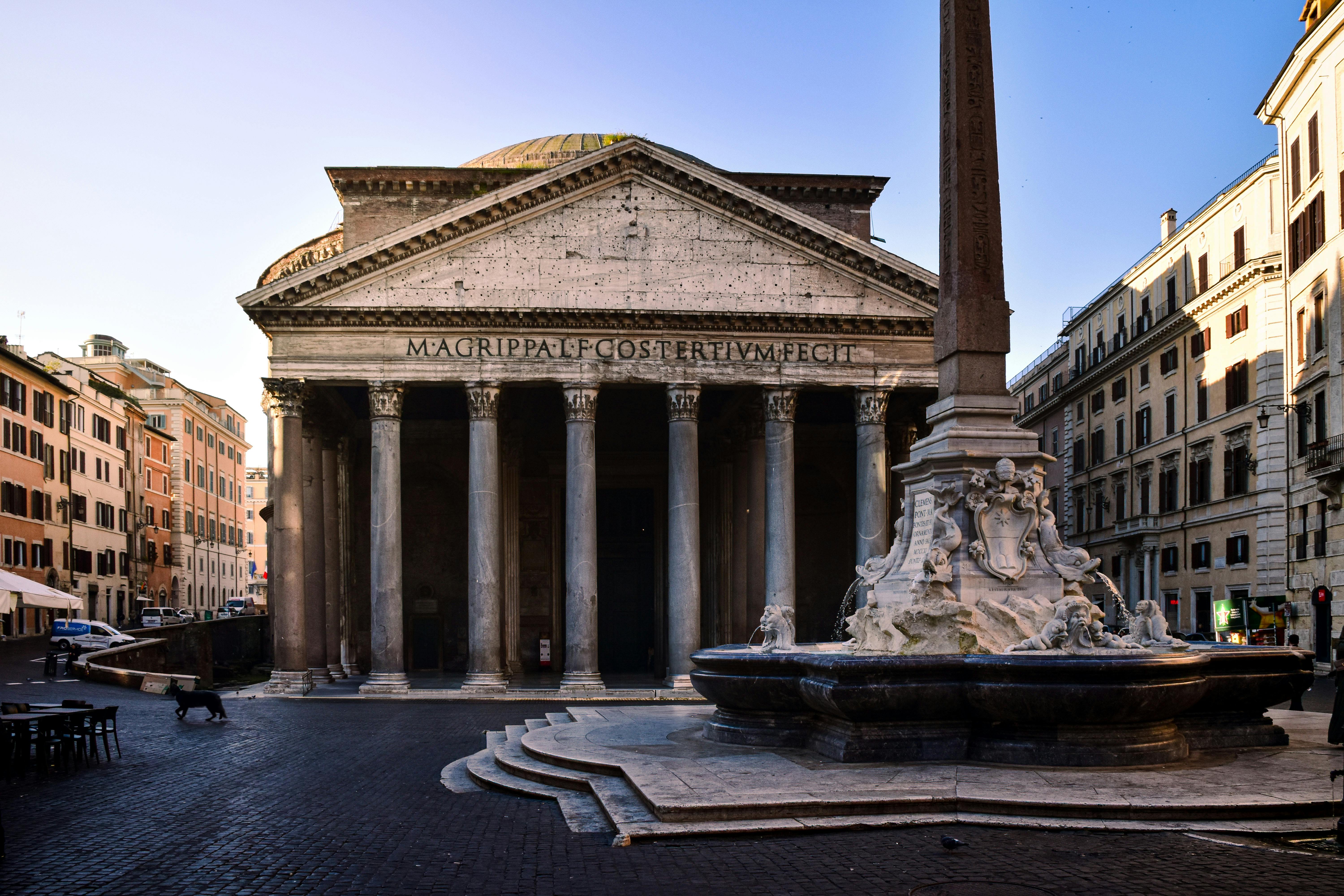
The Pantheon’s most striking feature is its massive dome, which remains the largest unreinforced concrete dome in the world. The oculus at the center, an open circular opening measuring 30 meters in diameter, floods the interior with natural light and creates a dynamic play of illumination that shifts throughout the day. The portico, with its grand Corinthian columns, leads visitors into a vast, circular interior that exudes a sense of awe and harmony.
Visiting the Pantheon is like stepping into a living piece of history. Its innovative design influenced countless architectural projects through the centuries and continues to inspire architects worldwide. The interior, adorned with beautiful marble and classical sculptures, offers a serene environment for reflection and admiration. The tombs of notable figures, including the artist Raphael, add to its cultural importance.
Practical tips include arriving early or late in the day to avoid crowds, especially during peak tourist seasons. Entrance is free, but donations are welcomed to support ongoing preservation efforts. The site is easily accessible from other central Rome attractions, making it a perfect stop during a cultural exploration of the Eternal City. Remember to respect the sacred atmosphere inside, and take time to appreciate the engineering marvel that has withstood the test of time for nearly two millennia.
When is the Best Time to Visit Rome?
Understanding the Climate and Seasons
Rome experiences a Mediterranean climate, characterized by hot, dry summers and mild, wetter winters. The ideal time for a culture, history, and bucket-list trip is when the weather complements outdoor exploration without the extremes of summer heat or winter chill. From April to June and September to October, temperatures are comfortable, averaging between 15°C and 25°C (59°F to 77°F). During these months, the city’s historic sites, piazzas, and open-air museums are most enjoyable, offering a perfect setting for immersive experiences.
Peak Tourist Seasons and Crowds
Rome’s peak tourist season coincides with the summer months of July and August. During this period, the city is bustling with visitors, and iconic landmarks like the Colosseum and Vatican Museums can be crowded. While summer offers lively street festivals and outdoor dining, it also means longer lines and higher prices for accommodations. If you wish to avoid crowds but still enjoy warm weather, consider visiting in late spring or early fall, when tourist numbers decrease but the city remains vibrant.
Off-Peak Benefits
Visiting during the off-peak months of November through March provides several advantages. Although the weather is cooler and some attractions may have reduced hours, you benefit from fewer crowds, shorter queues, and often lower prices. Winter in Rome also offers unique cultural experiences, such as festive Christmas markets and seasonal events. However, be prepared for occasional rain and cooler temperatures, especially in January and February, which can limit outdoor activities.
Summary of Pros and Cons
| Timing | Pros | Cons |
|---|---|---|
| April – June / September – October | Ideal weather, fewer crowds, perfect for outdoor sightseeing | Some popular sites may still be busy during peak weekends |
| July – August | Lively atmosphere, outdoor events, longer evenings | Very crowded, high prices, hot weather |
| November – March | Lower prices, fewer tourists, authentic local vibe | Colder weather, some attractions may have limited hours |
Ultimately, the best time to visit Rome depends on your priorities. If you seek a bucket-list experience immersed in culture and history with pleasant weather, late spring and early fall are optimal. However, if you prefer fewer crowds and are flexible with weather, winter offers a unique charm and cultural festivities. Planning your trip around these factors can help ensure a memorable journey through the Eternal City.
Getting to Rome: Your Gateway to a Timeless Journey
Rome, often called the Eternal City, beckons travelers with its rich tapestry of history, vibrant culture, and iconic landmarks. Whether you’re arriving from afar or exploring nearby regions, understanding your transportation options will help you start your adventure smoothly. From catching a flight to navigating local transit, each mode offers a unique way to immerse yourself in the city’s historic ambiance and lively streets.
Flights to Rome
The most convenient way for international travelers to reach Rome is by air. Leonardo da Vinci International Airport, commonly known as Fiumicino Airport, is Italy’s busiest and well-connected globally. Several major airlines operate direct flights from North America, Europe, Asia, and beyond, making Rome accessible from virtually anywhere. For travelers arriving from within Italy or neighboring countries, low-cost carriers and regional airports also provide options, often at more affordable rates.
When booking flights, consider arriving early in the day to maximize your time. Additionally, look for flights that land at Fiumicino or Ciampino Airport, depending on your airline and budget. Both airports are well-connected to the city center via trains, buses, and taxis.
Train Travel to Rome
For those exploring Europe, train travel offers an immersive and scenic route into the city. Rome’s main station, Termini, serves as a hub connecting Italy’s high-speed rail network. Trains from cities like Florence, Venice, and Naples arrive here regularly, providing a comfortable and efficient journey. Booking tickets in advance can secure better prices and guarantee your spot during busy travel seasons.
Traveling by train allows you to enjoy Italy’s picturesque landscapes and transition seamlessly from your journey into Rome’s historic core. Once in the city, local trains and metro lines make it easy to reach various neighborhoods and attractions.
Bus and Coach Services
Long-distance bus services connect Rome to many European cities and Italian regions. Companies like FlixBus and Eurolines operate routes that are budget-friendly and reliable. While buses may take longer than trains or flights, they are an excellent option for travelers on a tight budget or those seeking a more leisurely journey.
Within the city, buses and trams provide essential public transportation, allowing visitors to explore Rome’s historic sites, bustling markets, and vibrant neighborhoods with ease.
Car Rentals and Driving Tips
If you prefer flexibility and wish to explore beyond Rome’s city limits, renting a car is a viable option. Major car rental agencies are available at airports and throughout the city. However, keep in mind that driving in Rome can be challenging due to narrow streets, limited parking, and traffic congestion. It’s advisable to familiarize yourself with local driving laws and parking regulations beforehand.
Search for Car Hire
For a stress-free experience, consider using a GPS or navigation app. Parking is often limited in historic districts, so look for designated parking areas or garages outside the city center and walk or use public transit to reach your destinations.
Useful Travel Tips and Important Information
- Plan your arrival time to avoid peak traffic hours, typically mornings and late afternoons.
- Check visa requirements and travel advisories well in advance of your trip.
- Keep a copy of your travel documents and important contacts handy.
- Consider purchasing an urban travel pass for unlimited access to buses, trams, and metro lines.
- Be aware of local customs and etiquette to enrich your cultural experience.
By exploring these transportation options thoughtfully, you’ll set the stage for an unforgettable journey into Rome’s historic and cultural treasures. Whether arriving by plane, train, bus, or car, each route offers a unique perspective on the city’s timeless allure, making your bucket-list trip truly extraordinary.
Best Places to Stay in Rome: A Guide for Every Budget
Rome, a city steeped in history, vibrant culture, and timeless charm, offers a variety of accommodations that cater to different budgets. Whether you seek luxury, mid-range comfort, or budget-friendly options, each stay can enhance your experience of this iconic city’s rich tapestry of culture and history. Here, we explore the top choices for every traveler’s needs, ensuring your trip becomes a true bucket-list adventure.
Luxury Options: Embracing Rome’s Regal Heritage
For travelers who wish to indulge in the city’s grandeur, luxury hotels provide an immersive experience into Rome’s opulent past. These establishments often occupy historic buildings, blending centuries-old architecture with modern comforts.
- Hotel de Russie: Located near Piazza del Popolo, this five-star hotel is renowned for its lush Secret Garden and elegant rooms. Its central location makes it ideal for exploring the Vatican, Trevi Fountain, and Spanish Steps, immersing guests in Rome’s cultural heartbeat.
- The St. Regis Rome: An icon of sophistication, this hotel boasts exquisite decor, a luxurious spa, and impeccable service. Staying here offers a taste of Rome’s aristocratic past, perfect for those seeking a bucket-list experience.
- J.K. Place Roma: Combining boutique charm with luxury, this hotel features stylish interiors and personalized service, making it perfect for travelers who want to feel like part of Rome’s historic elite.
Mid-Range Options: Comfort Meets Culture
If you desire a balance between comfort and affordability, Rome offers numerous mid-range hotels that still provide a taste of the city’s rich history and vibrant culture.
- Hotel Artemide: Situated on Via Nazionale, this hotel offers contemporary rooms with classic Roman touches. Its rooftop terrace provides stunning views of the city, perfect for unwinding after a day of exploring ancient ruins.
- Albergo del Senato: Located near the Pantheon, this boutique hotel combines historic charm with modern amenities. Its central location allows easy access to Rome’s iconic landmarks, making it ideal for cultural enthusiasts.
- Hotel Nazionale: Overlooking Piazza Montecitorio, this hotel’s grand interiors and proximity to government and cultural sites make it a practical yet elegant choice.
Budget-Friendly Stays: Discover Rome Without Breaking the Bank
For travelers eager to immerse themselves in Rome’s history without overspending, budget accommodations provide comfort and authenticity at accessible prices.
- The Beehive: An eco-friendly hostel offering private rooms and dormitories, located near Termini Station. It fosters a community atmosphere, perfect for solo travelers and cultural explorers.
- Alessandro Palace & Bar: A lively hostel close to major attractions, featuring vibrant common areas and organized tours. It’s an excellent base for experiencing Rome’s youthful energy.
- Hotel Panda: Situated near the Basilica di San Giovanni, this simple hotel offers clean rooms and friendly service, providing a comfortable stay for budget-conscious travelers.
In conclusion, Rome’s diverse accommodations ensure that every traveler can enjoy the city’s culture, history, and bucket-list sights in a setting that suits their style and budget. Whether you indulge in luxury, seek mid-range comfort, or prefer budget-friendly options, each stay promises to deepen your connection with the Eternal City’s timeless allure.
Essential Travel Products for Visiting Rome
1. RFID-Blocking Travel Wallet
For travelers exploring Rome, security and convenience are paramount. An RFID-blocking travel wallet, such as the Travelambo RFID Blocking Wallet, offers peace of mind by protecting your credit cards and passports from electronic pickpocketing. Crafted from high-quality leather, this sleek wallet features multiple compartments to organize cash, cards, and travel documents efficiently. Its slim profile allows it to fit comfortably in your pocket or bag, making it ideal for navigating busy streets and crowded attractions. Additionally, many RFID wallets include a zippered coin pocket and transparent ID window, which are handy during sightseeing or purchasing tickets. You can purchase this product online through major retailers like Amazon or travel accessory stores, ensuring accessibility and quick delivery.
2. Portable Power Bank with Solar Charging
Staying connected while wandering through Rome’s historic sites is essential. The Anker PowerCore Solar 20000mAh combines high-capacity power storage with eco-friendly solar charging capabilities. This portable charger features fast charging technology, allowing you to top up your smartphone, camera, or GPS device multiple times during a day of sightseeing. Its rugged design makes it durable enough to withstand the hustle and bustle of travel, while its built-in solar panels enable recharging even when you’re away from power outlets. This is particularly useful when exploring outdoor landmarks like the Colosseum or Villa Borghese Gardens. Available on Amazon and electronics retailers, this device ensures your devices stay powered, so you never miss capturing Rome’s breathtaking moments.
Find these must-have travel items on Amazon
Guidebooks for Culture, History & Bucket-List Trips in Rome
1. “Rome: The Ultimate Guide to the Eternal City” (Kindle Unlimited & Audible)
This comprehensive guide offers an in-depth exploration of Rome’s rich history, iconic landmarks, and hidden gems. It provides detailed itineraries tailored for those seeking a bucket-list experience, from the grandeur of the Vatican to the ancient ruins of the Roman Forum. The book’s engaging narrative includes historical anecdotes and practical tips for navigating the city’s complex layers of history. Whether you’re visiting for a weekend or a week, this guide helps you prioritize must-see sites while discovering lesser-known treasures. Its availability on Kindle Unlimited and Audible makes it easy to access on the go, whether you prefer reading or listening during long walks through the city.
2. “Rome Travel Guide: Secrets of the Eternal City” (Kindle Unlimited & Audible)
This guide delves into Rome’s vibrant culture and storied past, offering travelers unique insights beyond standard tourist routes. It highlights authentic experiences, local eateries, and cultural traditions that bring the city’s history to life. The book emphasizes immersive experiences, such as participating in local festivals or exploring artisan neighborhoods. Its narrative style makes it an engaging companion for those eager to discover Rome’s soul. Available on Kindle Unlimited and Audible, it is perfect for travelers who want a deeper understanding of Rome’s cultural heartbeat while enjoying flexibility in how they consume the content.
3. “Bucket List Rome: The Top 50 Must-See Attractions” (Kindle Unlimited & Audible)
This concise yet comprehensive list is ideal for travelers who want to maximize their time in Rome. It ranks the top 50 attractions, from the Colosseum and Pantheon to lesser-known sites like the Aventine Hill and the Appian Way. Each entry includes historical context, visiting tips, and nearby dining suggestions. The book is designed to inspire and guide travelers to create unforgettable memories, ensuring no essential experience is missed. Its availability on Kindle Unlimited and Audible allows for easy access, whether you prefer reading during travel downtime or listening while on the move.
By combining these insightful guidebooks with the right travel products, visitors can immerse themselves fully in Rome’s timeless allure. From safeguarding your essentials to uncovering hidden stories, these tools enhance every aspect of your cultural, historical, and bucket-list journey through the Eternal City.
Why carry heavy guidebooks? Get them all on Kindle Unlimited – free trial here!
Frequently Asked Questions About Exploring Rome’s Culture, History, and Bucket-List Experiences
What are the must-visit historical sites in Rome for first-time travelers?
Rome is a treasure trove of historical landmarks, and first-time visitors should prioritize iconic sites that showcase its ancient grandeur. The Colosseum, once the arena for gladiator battles, is a must-see for its impressive architecture and rich history. Nearby, the Roman Forum offers a glimpse into the political and social life of ancient Rome. The Pantheon, renowned for its stunning dome and ancient origins, is another essential stop. Don’t miss the Vatican City, home to St. Peter’s Basilica and the Sistine Chapel, which houses Michelangelo’s masterpieces. To make the most of your visit, consider booking guided tours that provide in-depth insights and help skip long lines.
How can I experience Rome’s authentic culture beyond the famous tourist spots?
To truly immerse yourself in Rome’s vibrant culture, venture into its local neighborhoods such as Trastevere and Testaccio. These areas are filled with traditional trattorias, lively piazzas, and artisan shops. Participate in a cooking class to learn how to make classic Roman dishes like carbonara or cacio e pepe. Attend local festivals or markets, such as Campo de’ Fiori, where you can sample regional produce and mingle with residents. Engaging with locals and exploring off-the-beaten-path sites will deepen your understanding of Rome’s living history and authentic lifestyle.
When is the best time to visit Rome for a bucket-list trip?
The ideal time to visit Rome is during the shoulder seasons of spring (April to June) and fall (September to October). During these months, the weather is generally mild and pleasant, making outdoor sightseeing more enjoyable. Additionally, these periods tend to be less crowded than the peak summer months, allowing for a more relaxed experience at major attractions. Visiting early in the morning or late in the afternoon can also help you avoid the busiest times and capture stunning photos with softer light. Planning ahead and booking tickets online can further enhance your trip by saving time and securing access to popular sites.
How can I find the best travel deals for a trip to Rome?
Finding the best deals involves a combination of research, timing, and flexibility. Start by comparing flight prices across multiple platforms and consider traveling mid-week, as fares are often lower. Look for package deals that combine flights, hotels, and tours, which can offer significant savings. Booking accommodations early, especially in popular districts, ensures better rates and availability. Additionally, consider staying in boutique guesthouses or apartments rather than large hotels for a more authentic experience and cost savings. Sign up for alerts from travel deal websites and subscribe to newsletters from airlines and hotels to catch exclusive discounts. Lastly, purchasing city passes or sightseeing cards can save money on entrance fees and streamline your visit to major attractions.
What are some unique, lesser-known experiences that make a trip to Rome unforgettable?
Beyond the well-trodden tourist paths, Rome offers numerous hidden gems. Explore the Catacombs of San Callisto or San Sebastiano for a fascinating underground journey into early Christian history. Visit the Aventine Hill’s Orange Garden for panoramic views of the city and a peaceful escape. Discover the ancient Appian Way, lined with ruins and aqueducts, ideal for cycling or walking. For art lovers, the Villa Farnesina features stunning Renaissance frescoes in a less crowded setting. Attending a local opera or jazz concert at small venues can also enrich your cultural experience. These unique adventures will not only deepen your appreciation for Rome’s layered history but also create memorable stories for your bucket list.
Experience the essence of Rome—its history, vibrant culture, and unforgettable adventures—by planning ahead and exploring beyond the usual. Your perfect Roman trip awaits!
Earn cashback on car rentals, airport parking & travel gear!
Embark on an Unforgettable Journey to Rome
In conclusion, Rome remains a timeless tapestry woven with rich history, vibrant culture, and bucket-list experiences. From marveling at iconic landmarks like the Colosseum and Vatican City to wandering through charming piazzas and savoring authentic Italian cuisine, every moment offers a glimpse into the city’s soul. By planning wisely and seeking out insider tips—such as visiting popular sites during off-peak hours or exploring lesser-known neighborhoods—you can enhance your experience and discover the city’s hidden treasures.
Understanding Rome’s layered history and cultural traditions deepens your appreciation of its architecture, art, and local customs. Whether you’re a history enthusiast, a culture seeker, or an adventurer chasing unique experiences, Rome offers a journey filled with discovery and awe. Thoughtful planning, flexibility, and leveraging special deals can help make your trip both affordable and memorable, ensuring you enjoy the very best of what this eternal city has to offer.
Start exploring the endless possibilities that Rome provides and craft your own legendary story in this captivating city. With careful preparation, your bucket-list adventure in the Eternal City can become a reality that leaves lasting memories.